
When to Contact Your Local Dentist About Sensitive Teeth
27 August 2026 | General Dentistry, Preventative Dentistry, Tooth Decay
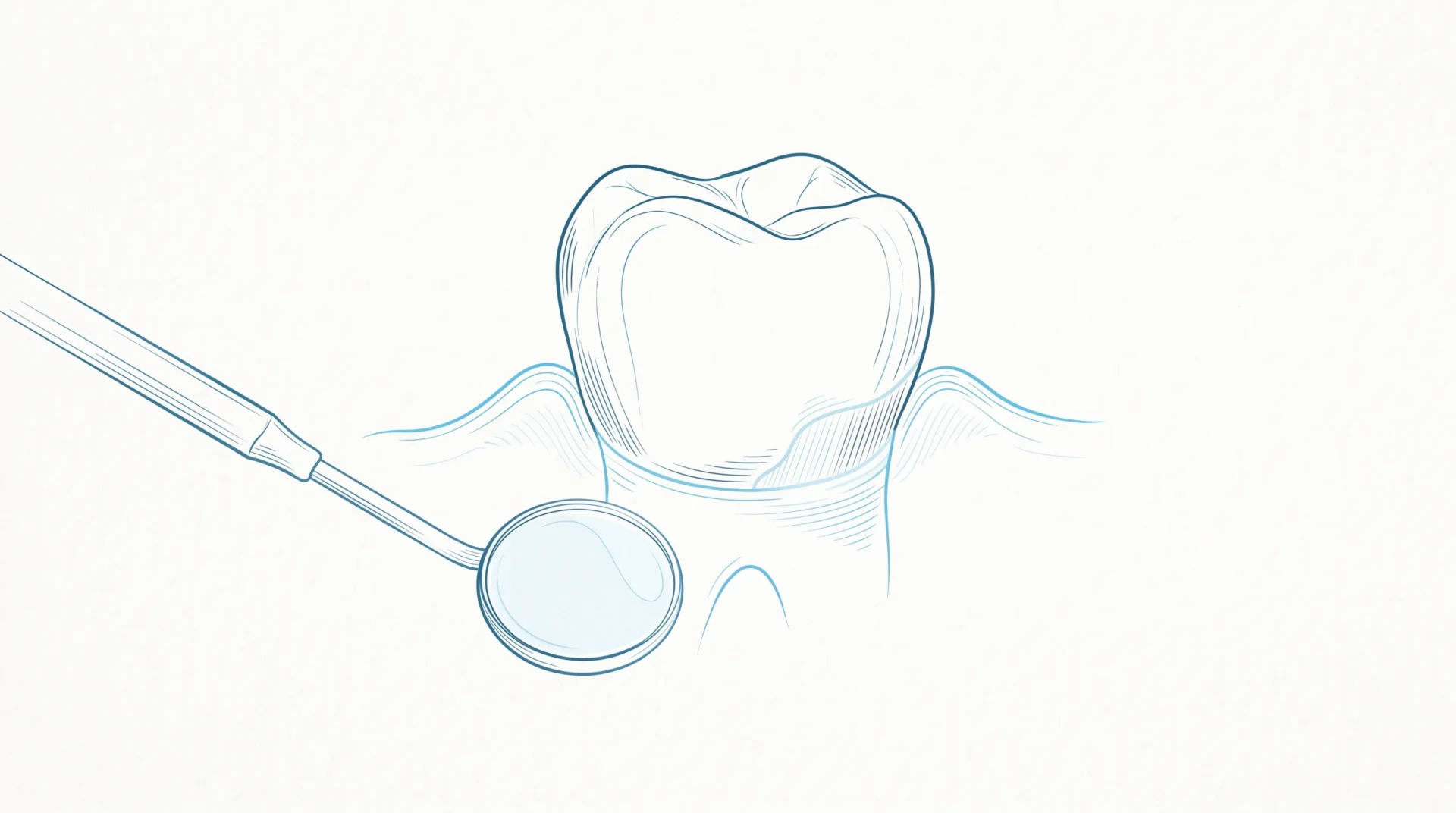
Sensitive teeth are common, but they should not be ignored if they are new, worsening or affecting the way you eat and drink. If you have been searching for “my local dentist” because cold water, sweet foods or brushing suddenly makes a tooth zing, a dental check can help identify the cause rather than only masking the symptom.
Sensitivity is not a diagnosis by itself. It is a sign that something is irritating the tooth, the gum around it or the nerve inside it. Sometimes the reason is simple, such as brushing too firmly. In other cases, it may be linked to decay, a crack, gum recession, worn enamel or inflammation inside the tooth.
What does tooth sensitivity feel like?
Tooth sensitivity usually feels like a short, sharp discomfort in one or more teeth. It may happen when your teeth are exposed to:
- Cold drinks or ice cream
- Hot tea or coffee
- Sweet foods
- Acidic foods or drinks, such as citrus or soft drink
- Brushing, flossing or rinsing with cold water
- Cold air entering the mouth
The feeling may stop quickly once the trigger is removed. That short reaction is often what people describe as “sensitive teeth”. However, if the discomfort lingers, throbs or occurs without a clear trigger, it may suggest a different issue that needs professional assessment.
The Australian Dental Association’s patient resource Teeth.org.au explains sensitive teeth in relation to exposed dentine, which is the softer layer under the tooth’s outer enamel. Dentine contains tiny tubules that can allow temperature or pressure changes to stimulate the nerve inside the tooth.
When should I contact my local dentist about sensitive teeth?
You should consider contacting your local dentist about sensitive teeth if the sensitivity is new, persistent, worsening or limited to one tooth. A check is also sensible if sensitivity has changed your eating, drinking or brushing habits.
For patients in Sydenham and nearby suburbs such as Hillside, Taylors Lakes, Delahey, Caroline Springs and St Albans, an appointment at a local dental clinic can help determine whether the issue is minor or whether treatment may be needed.
Sensitive teeth should be assessed sooner if you notice any of the following:
- Sensitivity that lasts more than a few days without improving
- Pain that lingers after hot or cold foods
- Sensitivity in one specific tooth rather than generally across the mouth
- Toothache, throbbing or pain that wakes you at night
- A visible chip, crack or broken filling
- Swelling of the gum, cheek or jaw
- Bleeding gums, loose teeth or gum recession
- Pain when biting or chewing
- Sensitivity after an injury or knock to the tooth
- Bad taste, pus or signs of infection around a tooth or gum
If you have facial swelling, fever, spreading swelling, difficulty swallowing or breathing, seek urgent medical or dental advice. These symptoms may indicate an infection requiring prompt care.
For more general symptom awareness, My Smile Dental has also covered early warning signs of dental problems that can help you decide when a dental concern should be checked.
Common causes of sensitive teeth
Tooth sensitivity can have more than one cause, and the right approach depends on what your dentist finds during an examination. This is why home remedies are not a substitute for a diagnosis, especially when symptoms are localised or persistent.
A useful overview of tooth sensitivity and its common triggers explains how issues such as worn enamel, receding gums, tooth grinding, decay and recent dental treatment can all contribute to discomfort.
Enamel wear and acid erosion
Enamel is the hard outer surface of the tooth. It helps protect the more sensitive dentine underneath. Enamel can wear down over time due to acidic drinks, frequent snacking on acidic foods, reflux, vomiting, tooth grinding or abrasive brushing habits.
Once enamel is worn, it does not grow back. However, your dentist may recommend ways to reduce further wear and manage sensitivity, depending on the extent of the problem.
Gum recession
When gums recede, the root surface of the tooth can become exposed. Tooth roots are not covered by enamel, so they can be more sensitive to temperature, brushing and certain foods.
Gum recession may be linked to gum disease, brushing too hard, tooth position, orthodontic history, smoking or other individual factors. If tartar build-up or gum inflammation is contributing, a professional clean may be recommended. You can read more about when a clean may be appropriate in this guide on seeing a dental hygienist for professional cleaning.
Tooth decay or a leaking filling
Decay can expose sensitive inner tooth structure and may cause sensitivity to sweet, cold or hot foods. A filling that is worn, cracked or leaking can also allow irritation beneath the restoration.
Early decay may not always cause obvious pain. This is one reason regular dental examinations can be useful, particularly if you have a history of cavities or older fillings.
Cracked teeth
A crack can make a tooth sensitive when biting or when cold reaches the inner layers of the tooth. Cracks can be difficult to see at home and may not always show clearly without a dental assessment.
If a crack is suspected, your dentist may assess your bite, the existing filling, the amount of remaining tooth structure and whether the nerve appears irritated. Treatment options vary, and not all cracks are managed the same way.
Teeth grinding or clenching
Grinding or clenching, also called bruxism, can place heavy forces on teeth. This may contribute to enamel wear, cracks, jaw tenderness or sensitivity.
Some people grind their teeth during sleep without realising it. Signs can include worn tooth edges, morning jaw tightness, headaches or sensitivity across multiple teeth.
Recent dental treatment or whitening
It is not unusual for teeth to feel temporarily sensitive after some dental procedures or whitening treatments. This sensitivity may settle, but it should be discussed with your dentist if it is severe, lasts longer than expected or affects only one tooth.
If you are considering whitening, it is generally sensible to have your teeth and gums checked first, especially if you already experience sensitivity. Whitening may not be suitable for every patient and can aggravate existing sensitivity in some cases.
Can sensitive teeth be managed at home?
Some mild, general sensitivity can improve with changes to daily habits. These steps may be reasonable while you arrange a dental check, provided you do not have swelling, severe pain, trauma or signs of infection.
- Use a soft-bristled toothbrush and gentle pressure
- Brush with a fluoride toothpaste and avoid rinsing heavily straight after brushing
- Consider a toothpaste made for sensitive teeth, used as directed
- Reduce frequent acidic drinks, including soft drink, sports drinks and citrus drinks
- Avoid brushing immediately after acidic foods or drinks, as enamel can be temporarily softened
- Do not use abrasive whitening products or DIY treatments without dental advice
- Wear any prescribed night guard as directed if you grind your teeth
Desensitising toothpaste may help some people, but it does not treat every cause of sensitivity. If there is decay, a crack, gum disease or an inflamed nerve, a toothpaste alone is unlikely to address the underlying issue.
| Symptom pattern | Possible reasons | Suggested next step |
|---|---|---|
| Brief sensitivity to cold across several teeth | Enamel wear, gum recession, brushing habits, recent whitening | Arrange a routine dental check if it persists or affects daily habits |
| Sharp sensitivity in one tooth | Decay, crack, leaking filling, exposed root surface | Contact a dentist for assessment |
| Pain when biting | Crack, high filling, inflamed ligament around the tooth | Book a dental appointment, especially if it continues |
| Lingering hot or cold pain | Possible nerve irritation or deeper decay | Contact a dentist promptly |
| Sensitivity with swelling, fever or pus | Possible infection | Seek urgent dental or medical advice |
What a dentist may check during an appointment
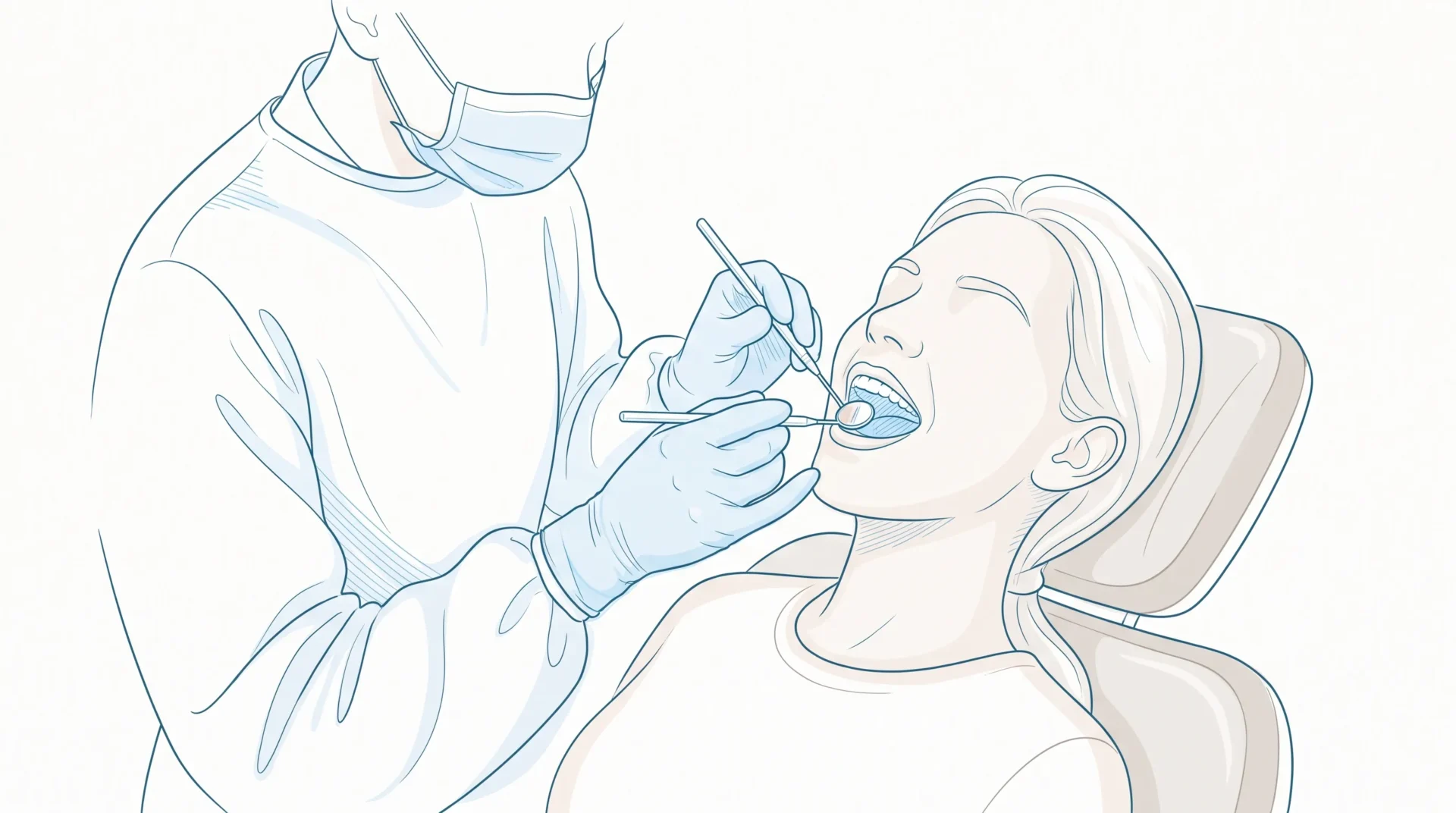
An appointment for sensitive teeth is usually focused on finding the cause. Your dentist will ask about when the sensitivity started, what triggers it, how long it lasts and whether it is getting better or worse.
They may also ask about your diet, brushing technique, whitening products, reflux symptoms, tooth grinding, recent dental work and any medical conditions or medications that may affect your mouth.
During the examination, your dentist may check:
- The tooth surfaces for wear, erosion, decay or cracks
- Existing fillings, crowns or other restorations
- Gum levels and signs of gum inflammation
- Bite pressure and signs of grinding or clenching
- How teeth respond to cold, air or gentle tapping
- Whether dental X-rays are appropriate to assess areas that cannot be seen directly
X-rays are not required for every patient, but they may be recommended if your dentist needs to assess decay, the roots of teeth, bone levels, previous dental work or signs of infection. Your dentist should explain why an X-ray is being considered and how it may assist with diagnosis.
Treatment options depend on the cause
There is no single treatment for sensitive teeth because the causes vary. After an assessment, your dentist can explain the potential benefits, risks and alternatives of the options that may be suitable for your circumstances.
For mild sensitivity linked to exposed dentine, your dentist may suggest changes to brushing technique, fluoride treatment, desensitising products or review over time. For gum-related sensitivity, professional cleaning and gum care advice may be recommended. If decay or a defective filling is present, a filling or replacement restoration may be considered.
If a tooth is cracked, heavily worn or structurally weakened, treatment may involve repairing the tooth, adjusting the bite or considering a crown in some cases. If the nerve inside the tooth is inflamed or infected, root canal treatment or other options may need to be discussed.
All dental procedures carry potential risks and benefits. Treatment experiences, recovery and outcomes vary between patients. A clinical examination is needed before any treatment can be recommended.
If you are unsure whether your concern is routine or urgent, this overview of general, cosmetic and emergency dental services may help explain the different types of dental appointments available.
When sensitivity may be related to cosmetic dental treatment
Young adults and professionals in Sydenham often ask about tooth sensitivity before whitening, veneers or Invisalign treatment. Sensitivity does not automatically rule out cosmetic treatment, but it should be assessed first.
For example, whitening products can irritate teeth that already have exposed dentine, untreated decay, gum recession or cracks. Invisalign and other clear aligner treatments may also require healthy teeth and gums before starting, as orthodontic movement needs a stable foundation.
A dentist can assess whether sensitivity should be managed before cosmetic treatment is considered. This approach helps avoid overlooking a dental health issue in the process of planning appearance-focused treatment.
When to seek urgent dental care
Sensitive teeth are not always urgent. However, certain symptoms should be checked promptly, especially if they suggest infection, trauma or nerve involvement.
Seek urgent dental advice if you have:
- Swelling of the face, gum or jaw
- Fever or feeling generally unwell with dental pain
- A broken tooth with significant pain
- A knocked or loosened tooth
- Pain that is severe, constant or worsening
- Difficulty opening your mouth, swallowing or breathing
If breathing or swallowing is affected, call emergency services or attend an emergency department. Dental infections can sometimes spread and should be assessed without delay when these symptoms are present.
Frequently asked questions
Can sensitive teeth go away on their own? Mild sensitivity may settle if it is linked to temporary irritation, recent dental treatment or changes in brushing habits. If it persists, worsens or affects one tooth, a dental examination is recommended to identify the cause.
Is tooth sensitivity a sign of a cavity? It can be, especially when sensitivity is triggered by sweet foods, cold drinks or occurs in one tooth. However, sensitivity can also be caused by gum recession, enamel wear, cracks, grinding or recent dental treatment.
Should I stop brushing if my teeth are sensitive? No. Brushing is still important, but use gentle pressure and a soft-bristled toothbrush. If brushing causes ongoing discomfort or bleeding, speak with a dentist rather than avoiding cleaning.
Can whitening make sensitive teeth worse? Whitening can cause or worsen sensitivity in some patients. It is best to have your teeth and gums checked before whitening, particularly if you already have sensitive teeth.
How soon should I see a dentist for sensitive teeth? Arrange a dental check if sensitivity lasts more than a few days, is getting worse or is limited to one tooth. Seek prompt advice if you also have swelling, severe pain, trauma, fever or pain that wakes you at night.
Contacting a dentist in Sydenham about sensitive teeth
If sensitive teeth are changing how you eat, drink or brush, a dental examination can help determine the cause and which options may be appropriate. My Smile Dental provides general, cosmetic and emergency dental care in Sydenham for patients of different ages and dental needs.
To discuss your symptoms, you can contact My Smile Dental to arrange an assessment in Sydenham, Melbourne. Your dentist can assess your oral health, explain possible causes and discuss suitable next steps based on your individual circumstances.
Disclaimer
The information provided on this website is for general informational and educational purposes only. It is not intended to replace professional dental advice, diagnosis or treatment. Dental needs and treatment outcomes vary between individuals. Always seek advice from a qualified dental practitioner regarding your specific circumstances before making decisions about your oral health or treatment. A consultation and clinical assessment are required to determine which treatment options may be suitable for you. All dental procedures carry potential risks and benefits, which will be discussed with you before treatment.