Fix Dental Problems Early With These Warning Signs
30 July 2026 | Blog
Small dental problems often start quietly. A brief twinge when you drink cold water, a little blood after brushing, a rough edge on a filling, or jaw soreness that comes and goes can be easy to ignore. But the earlier you recognise these warning signs, the easier it usually is to treat the issue, protect your natural teeth, and avoid more complex dental work later.
The goal is not to panic over every minor change. It is to know which symptoms deserve attention and when to book a dental appointment. If you want to fix dental problems early, these are the signs worth watching.
Why early dental treatment matters
Your teeth, gums, nerves, and jaw joints work together every day. When one part is irritated or damaged, the symptoms may appear somewhere else. A small cavity can become toothache. Mild gum inflammation can progress into gum disease. A cracked tooth can start as occasional sensitivity, then become painful when bacteria reach deeper layers.
Early treatment is usually more conservative. A small area of decay may need a simple filling, while advanced decay may need root canal treatment or extraction. Gum inflammation may improve with professional cleaning and better home care, while later-stage gum disease can require ongoing periodontal management.
Regular dental visits also help detect problems you cannot see yourself. The Australian Dental Association’s oral health resource encourages preventive care and good daily habits because many dental conditions are easier to manage before pain appears.
Warning sign 1: tooth sensitivity that keeps returning
Sensitivity is one of the most common early signs that something is changing. It may feel like a sharp, short zing when you drink cold water, eat something sweet, breathe in cool air, or brush near the gumline.
Occasional sensitivity can happen after whitening, a recent filling, or vigorous brushing. But sensitivity that lasts, worsens, or affects one specific tooth should be checked. Possible causes include enamel wear, tooth decay, gum recession, a cracked tooth, or a leaking filling.
Do not assume sensitivity is just part of getting older. If it is new, localised, or affecting how you eat and drink, a dentist can identify the cause and suggest the least invasive option.
Warning sign 2: bleeding, swollen, or tender gums
Healthy gums should not bleed regularly. If you notice blood when brushing or flossing, your gums may be inflamed. This is often an early sign of gingivitis, which can usually be improved when addressed early.
Other gum warning signs include redness, puffiness, tenderness, receding gums, or a change in how your teeth fit together when you bite. Persistent bad breath can also be linked to gum disease, especially when plaque and bacteria collect under the gumline.
The good news is that early gum problems can often be stabilised with professional cleaning, daily brushing, flossing or interdental cleaning, and regular dental reviews. Waiting until gums are painful or teeth feel loose can make treatment more involved.
Warning sign 3: toothache, pressure, or pain when biting
Toothache is your body’s way of telling you something needs attention. It may be dull and throbbing, sharp and sudden, or only noticeable when you bite down. Even if the pain comes and goes, it should not be ignored.
Pain when biting can point to a cracked tooth, a deep cavity, an inflamed nerve, a high filling, or infection around the root. A toothache that wakes you at night, spreads to the jaw or ear, or comes with swelling needs prompt care.
According to Healthdirect Australia, toothache can have several causes and should be assessed if it is severe, persistent, or associated with swelling or fever.
Warning sign 4: chips, cracks, and rough edges
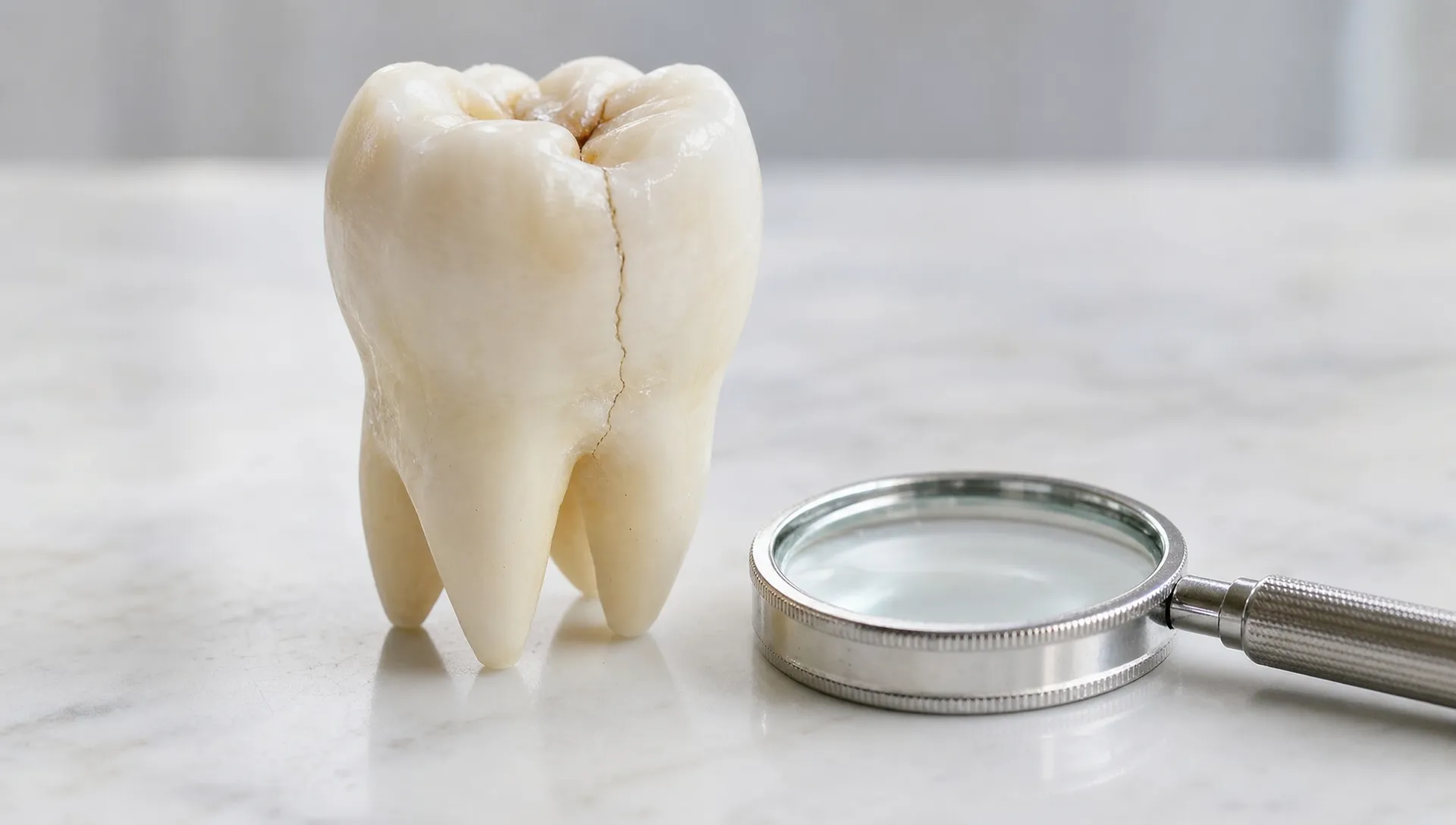
A chipped tooth may not hurt at first, especially if the damage is small. But cracks and rough edges can create weak points where bacteria enter or where the tooth continues to fracture under chewing pressure.
Common causes include biting hard foods, teeth grinding, sports injuries, accidents, and old fillings that have weakened over time. Even a tiny crack can become a bigger problem if it travels toward the nerve.
Book a dental assessment if you notice a rough edge, a visible line in the tooth, sensitivity when chewing, or a tooth that feels different after biting something hard. Treatment may be simple when the damage is caught early.
Warning sign 5: bad breath or a bad taste that does not go away
Bad breath after coffee, garlic, or a long day is normal. Persistent bad breath, especially when paired with a bad taste, bleeding gums, or food trapping, may indicate plaque build-up, gum disease, decay, dry mouth, or infection.
Mouthwash can temporarily mask odour, but it will not fix the underlying cause. If bad breath continues despite brushing your teeth and tongue, cleaning between the teeth, and drinking enough water, it is worth getting checked.
A dentist can look for hidden decay, gum pockets, broken fillings, and areas where food and bacteria may be collecting.
Warning sign 6: swelling, pus, or a pimple on the gum
Swelling in the gum, cheek, or jaw can be a sign of infection. A small pimple-like bump on the gum may indicate a draining abscess, even if the tooth itself is not very painful.
Dental infections can become serious if they spread. Seek urgent dental care if you have facial swelling, fever, difficulty swallowing, difficulty breathing, or severe pain. These symptoms should never be waited out.
If you are in Sydenham or nearby and have sudden pain or swelling, a local clinic that offers gentle emergency dental care can help assess the problem and guide the next step.
Quick guide: what your symptom may mean
The table below is a general guide, not a diagnosis. Dental symptoms can overlap, so the safest approach is to have a dentist examine the area.
| Warning sign | Possible causes | How soon to book |
|---|---|---|
| Brief sensitivity to cold or sweet foods | Enamel wear, gum recession, early decay, whitening sensitivity | Book a check-up if it persists for more than a few days or affects one tooth |
| Bleeding gums | Gingivitis, plaque build-up, gum disease, brushing too hard | Book a routine dental visit soon |
| Pain when biting | Crack, deep filling, decay, inflamed nerve, bite issue | Book promptly, especially if it is worsening |
| Swelling or pus | Dental abscess or gum infection | Seek urgent dental care |
| Bad breath that persists | Gum disease, decay, dry mouth, trapped food, infection | Book a dental assessment |
| Loose adult tooth | Gum disease, trauma, bone loss, infection | Book urgently |
| Broken filling or crown | Wear, decay underneath, bite pressure, trauma | Book promptly to protect the tooth |
Warning sign 7: a filling, crown, or dental work feels different
Dental restorations are strong, but they do not last forever. A filling may chip, a crown may loosen, or decay may develop around the edge of older dental work.
Watch for changes such as a filling feeling rough, floss shredding between teeth, food getting stuck in one spot, a crown moving slightly, or sensitivity around a restored tooth. These changes can allow bacteria to collect and may lead to decay beneath the restoration.
It is better to repair or replace a compromised restoration early than wait until the tooth underneath becomes painful.
Warning sign 8: jaw pain, headaches, or worn teeth
Not all dental warning signs come directly from a tooth. Jaw soreness, morning headaches, facial muscle tension, clicking, or teeth that look flatter than before may be linked to grinding or clenching.
Many people grind their teeth during sleep without realising it. Stress, sleep issues, bite changes, and jaw joint strain can all contribute. Over time, grinding can wear enamel, crack teeth, damage fillings, and make teeth sensitive.
If you wake with jaw pain or notice worn edges on your teeth, ask your dentist to check for signs of bruxism. Early management may help protect your teeth from further wear.
Warning sign 9: mouth ulcers or sores that do not heal
Most mouth ulcers heal on their own within one to two weeks. However, any ulcer, lump, red patch, white patch, or sore area that does not heal should be assessed.
This is especially important if the sore is painless, keeps returning in the same place, bleeds easily, or is linked with difficulty chewing or swallowing. Many causes are minor, such as irritation from a sharp tooth or denture, but persistent changes deserve a professional look.
Dentists routinely check the soft tissues of the mouth during examinations, which is another reason regular dental visits matter even when your teeth feel fine.
Warning sign 10: your child avoids chewing, brushing, or smiling
Children may not always explain dental pain clearly. Instead, they might avoid chewing on one side, refuse certain foods, complain of a “sore mouth”, wake at night, or resist brushing a particular area.
Other signs to watch for include white or brown spots on teeth, swollen gums, bad breath, chipped teeth, or sensitivity to cold foods. Baby teeth matter because they help children eat, speak, and guide adult teeth into position.
In Australia, eligible children may be able to access support through the Child Dental Benefits Schedule, which can help cover basic dental services. If you are unsure whether your child is eligible, check Services Australia or ask your dental team for guidance.
When is it a dental emergency?
Some dental problems can wait a few days for a routine appointment. Others need urgent care. Seek emergency dental help if you experience severe toothache, facial swelling, a knocked-out adult tooth, uncontrolled bleeding, trauma to the mouth, or signs of infection such as fever with swelling.
If an adult tooth is knocked out, handle it by the crown, not the root. If possible, place it back in the socket gently or keep it moist in milk while seeking urgent dental care. Time matters.
If swelling affects breathing, swallowing, or your eye area, seek urgent medical attention immediately.
What to do when you notice an early warning sign
The best next step depends on the symptom, but a simple plan can help you respond calmly.
- Write down when it started : Note whether the symptom is constant, triggered by cold, heat, sweets, biting, or brushing.
- Avoid chewing hard foods on the area : This can reduce the risk of worsening a crack, loose filling, or sore tooth.
- Keep cleaning gently : Continue brushing and cleaning between the teeth unless your dentist advises otherwise.
- Do not put aspirin on the gum : It can burn the soft tissue and will not treat the cause.
- Book a dental appointment : Early assessment gives you more treatment options and helps prevent surprises.
If dental anxiety is part of the reason you delay care, tell the clinic when you book. My Smile Dental focuses on gentle, comfortable care and offers sedation dentistry options for suitable patients, so you can discuss what may help you feel more at ease.
How to reduce your risk of dental problems
Prevention is still the most reliable way to protect your smile. Brush twice daily with fluoride toothpaste, clean between your teeth, limit frequent sugary snacks and drinks, drink water after meals, and wear a mouthguard for contact sport.
Regular check-ups are also important because dental disease can be silent in the early stages. Your dentist can spot small cavities, gum inflammation, enamel wear, bite issues, and changes in old dental work before they become painful.
For many people, the hardest part is making the appointment. If you are local to Sydenham, booking with a nearby team can make routine care easier to keep up with. You can learn more about My Smile Dental in Sydenham and arrange a visit when you notice changes that should not be ignored.
Frequently Asked Questions
Can a small toothache go away on its own? Pain may settle temporarily, but the cause can still remain. If toothache returns, worsens, affects biting, or lasts more than a day or two, book a dental assessment.
Are bleeding gums always serious? Bleeding gums are common, but they are not something to ignore. They often suggest gum inflammation and may improve with professional cleaning and better home care when treated early.
How do I know if sensitivity is a cavity? Sensitivity from a cavity often affects one tooth and may be triggered by sweet, cold, or biting pressure. A dentist can confirm the cause with an examination and, if needed, dental X-rays.
Should I see a dentist for a chipped tooth if it does not hurt? Yes. A chip can expose weaker tooth structure or create a crack that worsens over time. Early repair is usually simpler than waiting until pain develops.
What dental symptoms should not wait? Severe pain, swelling, pus, fever, a knocked-out adult tooth, facial trauma, or difficulty swallowing or breathing need urgent attention.
Take the next step early
Dental warning signs are easier to manage when you act early. Whether you have sensitivity, bleeding gums, a broken filling, toothache, or a child with mouth pain, a timely check-up can help protect your smile and reduce the chance of more complex treatment.
If you are in Sydenham or surrounding suburbs, book an appointment with My Smile Dental for gentle, comfortable care from a local dental team.
Disclaimer
The information provided on this website is for general informational and educational purposes only. It is not intended to replace professional dental advice, diagnosis or treatment. Dental needs and treatment outcomes vary between individuals. Always seek advice from a qualified dental practitioner regarding your specific circumstances before making decisions about your oral health or treatment. A consultation and clinical assessment are required to determine which treatment options may be suitable for you. All dental procedures carry potential risks and benefits, which will be discussed with you before treatment.