When to See a Dental Hygienist for Professional Cleaning
3 August 2026 | Blog
Professional cleaning is usually worth considering when plaque and tartar are building up, your gums bleed when brushing, you have ongoing bad breath, or it has been several months since your last dental check-up. If you have searched for a dental hygienist near me, you are probably trying to work out whether a routine clean is enough or whether you should see a dentist about a specific concern.
In Australia, professional teeth cleaning may be provided by a dentist, dental hygienist or oral health therapist, depending on the clinic and your oral health needs. The main aim is preventive care: removing hardened deposits that you cannot remove with a toothbrush, checking gum health and helping you keep your teeth and gums healthier between visits.
Searching for a dental hygienist near me in Sydenham? What professional cleaning can do
A professional clean is often called a scale and polish. Scaling means removing plaque and calculus, also called tartar, from around the teeth and gumline. Polishing smooths the tooth surface and may help remove some external staining from food, drinks or smoking.
Plaque is a sticky film of bacteria that forms on teeth each day. Brushing and flossing can remove much of it, but plaque can harden into tartar if it stays in place. Once tartar forms, it usually needs to be removed with dental instruments.
Professional cleaning is not the same as teeth whitening. It may make teeth feel cleaner and look brighter by removing surface stains, but it does not change the natural colour of the tooth in the way a whitening treatment may. It is also not a substitute for a dental examination, especially if you have pain, swelling, sensitivity or a broken tooth.
The Australian Dental Association consumer site Teeth.org.au provides general oral health information for patients, and Healthdirect also explains common oral health topics in plain language.
When should you book a professional clean?
Many people are advised to have a dental check-up and clean about every six months, but this is not the right interval for everyone. Some people may be advised to attend more often, while others with low risk of dental disease may have a different recall schedule.
Your recommended timing depends on factors such as gum health, tooth decay risk, medical history, dry mouth, smoking or vaping, past dental treatment, orthodontic appliances, home cleaning habits and any symptoms you are experiencing.
| Situation | Why a professional clean may be useful | What to do |
|---|---|---|
| It has been around 6 to 12 months since your last visit | Plaque and tartar can build up even with good home care | Ask your dentist what recall interval suits your risk level |
| Your gums bleed when brushing or flossing | Bleeding can be a sign of gum inflammation, although other causes are possible | Arrange a dental assessment rather than assuming it will settle on its own |
| You can see or feel tartar near the gumline | Hardened tartar cannot usually be brushed away at home | Book a professional clean and ask for tailored home care advice |
| You have ongoing bad breath | Plaque, gum inflammation, dry mouth, diet or other health factors may contribute | See a dental practitioner to help identify likely causes |
| You have braces, aligners or retainers | Extra surfaces can trap plaque and make cleaning more difficult | Ask how often cleaning should be scheduled during treatment |
| You have a history of gum disease | Gum support may need closer monitoring | Follow the recall plan recommended after assessment |
| You smoke, vape, have diabetes or experience dry mouth | These factors can affect gum and tooth decay risk | Discuss whether more regular preventive care may be appropriate |
This table is a general guide only. It cannot replace advice from a dentist who has examined your teeth, gums and medical history.
Signs you should not wait for your next routine appointment
A routine clean is helpful for prevention, but some symptoms need assessment sooner. You do not need to feel embarrassed if it has been a while since your last visit. Dental teams see many people who are overdue, anxious or unsure where to start.
Consider booking an appointment if you notice:
- Bleeding gums that continue for more than a few days
- Swollen, tender or receding gums
- Persistent bad breath or a bad taste in the mouth
- Tooth sensitivity that is new, worsening or one-sided
- Loose teeth or changes in how your bite feels
- Pain when chewing
- A chipped, cracked or broken tooth
- Pus, facial swelling, fever or difficulty opening your mouth
Swelling, fever, severe pain or trauma should be assessed promptly. These symptoms may involve infection or injury and should not be managed with a cleaning appointment alone.
For more detail on symptoms that can be easy to overlook, My Smile Dental has a helpful guide to early warning signs of dental problems.
What happens during a professional teeth cleaning appointment?
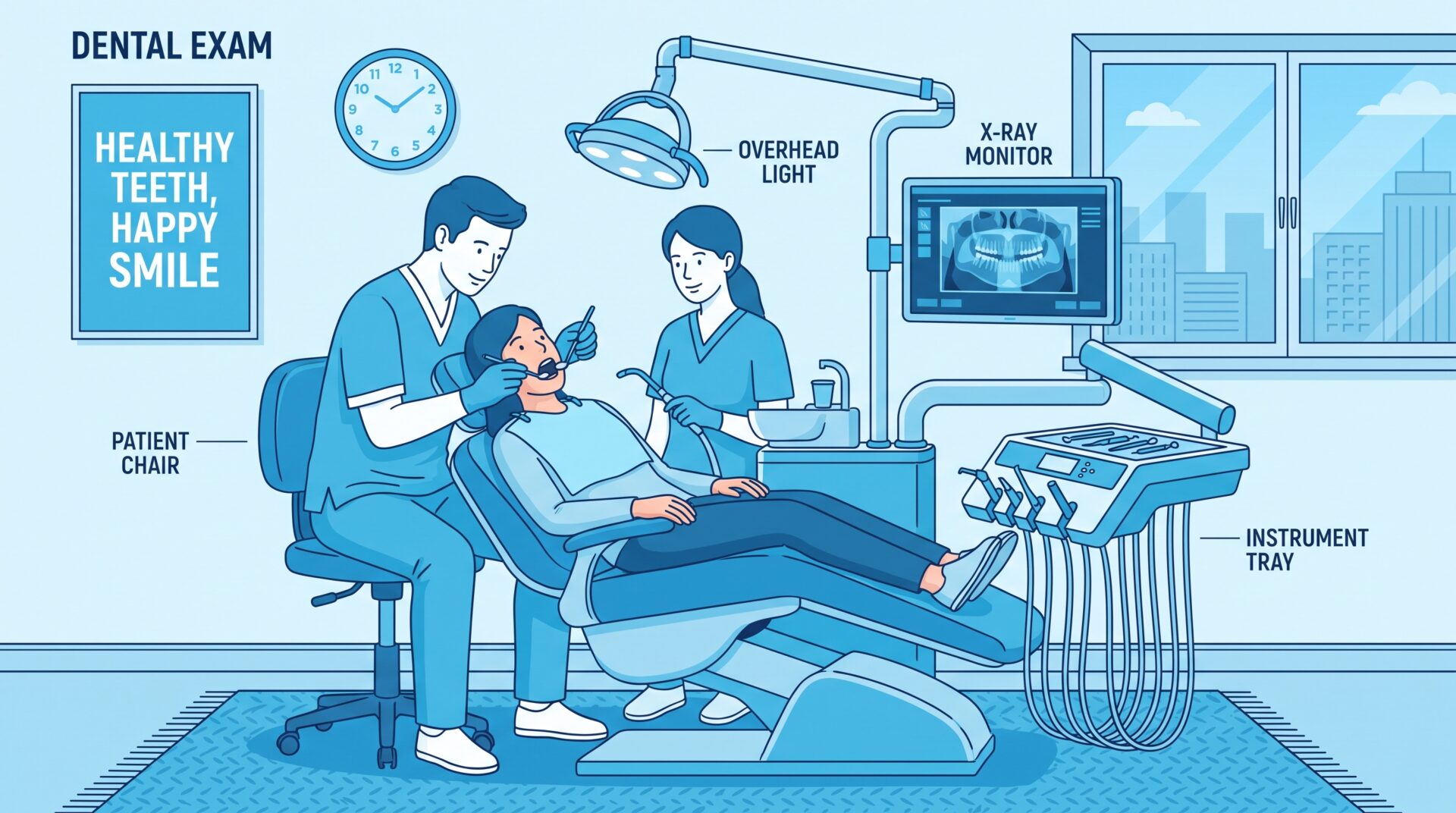
A professional cleaning appointment usually starts with a conversation. Your dental practitioner may ask about symptoms, medical history, medications, oral hygiene habits and any concerns you have about treatment. This matters because conditions such as dry mouth, reflux, diabetes, pregnancy and some medicines can affect oral health.
Your teeth and gums may then be checked. This can include looking for plaque and tartar, checking gum inflammation, assessing areas that are difficult to clean and discussing whether dental X-rays are needed. X-rays are not automatically required for every clean. They are recommended based on clinical findings, dental history and risk.
The cleaning itself may involve ultrasonic instruments, hand instruments, or both. Ultrasonic scalers use vibration and water spray to loosen tartar. Hand instruments allow careful removal in specific areas. After scaling, your teeth may be polished, and fluoride may be discussed if it is suitable for your situation.
If you have sensitive teeth or feel nervous, let the dental team know before treatment begins. Some patients benefit from shorter breaks, a slower pace, extra explanation or other comfort measures. Your experience may vary depending on gum inflammation, tartar levels, tooth sensitivity and the type of cleaning required.
Routine clean, deep clean and gum treatment: what is the difference?
A routine clean generally removes plaque and tartar from around the teeth and gumline when the gums are reasonably healthy or mildly inflamed.
A deeper clean may be recommended when there are signs of periodontal disease, also called gum disease. Periodontal disease affects the tissues that support the teeth. In some cases, cleaning is needed below the gumline, sometimes over more than one appointment. Your dentist may measure gum pockets, discuss gum health and explain whether ongoing periodontal maintenance is needed.
Deep cleaning is not something everyone needs. It is recommended only after assessment. Depending on your situation, risks and short-term effects may include gum tenderness, temporary sensitivity, bleeding, or the need for local anaesthetic. More advanced gum problems may require referral or additional treatment planning.
The important point is that a professional clean should match your actual oral health needs, not a one-size-fits-all schedule.
How often should children and families have professional cleaning?
Children do not always need the same type of professional cleaning as adults. A child’s appointment may focus more on checking tooth development, brushing technique, diet habits, fluoride advice and early signs of decay. If plaque, tartar or staining is present, cleaning may be recommended.
For busy Sydenham households, prevention often works best when it is simple and realistic. That might mean brushing before screen time, keeping floss picks where adults can use them consistently, or supervising younger children until they can clean well on their own. If you are trying to make oral care easier at home, this guide to family dental care tips for busy Sydenham households may be useful.
Teenagers may need extra support if they wear braces or aligners, play sport, snack frequently or have inconsistent brushing habits. Rather than assuming a teen is being careless, a dental visit can identify the areas being missed and provide practical advice.
Can professional cleaning prevent dental problems?
Professional cleaning may help reduce plaque and tartar buildup, support gum health and make it easier to spot early changes. It is one part of preventive dental care, alongside daily brushing, cleaning between teeth, limiting frequent sugary snacks and drinks, drinking tap water where fluoridated, and attending dental examinations when recommended.
However, cleaning cannot guarantee that you will avoid tooth decay, gum disease or future treatment. Oral health is affected by many factors, including genetics, saliva, diet, medical conditions, medications, smoking, previous dental work and how well the teeth can be cleaned at home.
A professional clean is most useful when it is combined with advice that fits your mouth and your routine. For example, if tartar keeps forming behind the lower front teeth, your dental practitioner may show you how to angle your toothbrush differently or suggest an interdental brush size that suits the spaces between your teeth.
What if you are nervous or overdue?
It is common for people to delay dental care because of anxiety, cost concerns, past experiences or busy work and family schedules. If you are overdue, a professional clean may be part of getting back into routine care, but the first step is usually an assessment.
You can tell the team if you are nervous, sensitive to scaling, dislike certain sounds, or prefer to know what is happening before each stage. A calm conversation before treatment can make the appointment feel more manageable. If more involved treatment is needed, your dentist can explain the potential benefits, risks, alternatives and timing so you can make an informed decision.
No dental article can tell you exactly what you need without an examination. If you have symptoms, or if it has been some time since your last visit, an assessment can help clarify whether a routine clean, gum care, a filling, emergency care or another option may be appropriate.
Frequently asked questions
Is a dental hygienist the same as a dentist? No. In Australia, dentists, dental hygienists and oral health therapists are different registered dental practitioners with different scopes of practice. Professional cleaning may be performed by different members of the dental team depending on the clinic, the appointment type and your oral health needs.
How often should I see a dental hygienist for cleaning? Many people attend around every six months, but the right timing varies. Some patients need more frequent gum maintenance, while others may be advised differently after assessment. Your dentist can recommend a recall interval based on your risk factors and oral health.
Does professional teeth cleaning hurt? Some people feel little discomfort, while others notice sensitivity, pressure, vibration or gum tenderness, especially if there is inflammation or heavier tartar buildup. Tell the dental team if you are sensitive or anxious so they can discuss ways to make the appointment more comfortable.
Can a professional clean remove stains from coffee, tea or smoking? A scale and polish may reduce some surface staining. It does not change the natural shade of teeth like whitening treatment may. If tooth colour is a concern, your dentist can assess whether whitening or another option may be suitable, including possible risks and limitations.
Should I book a clean if my gums bleed? Bleeding gums can happen for several reasons, including plaque buildup, gum inflammation, brushing technique, some medications or other health factors. It is worth arranging a dental assessment rather than relying on cleaning products alone.
Can I just improve my brushing instead of booking a clean? Good home care is essential, but hardened tartar usually cannot be removed with brushing or flossing. A dental practitioner can remove tartar and show you how to reduce buildup between visits.
Considering a professional clean in Sydenham?
If you live in Sydenham or surrounding north-west Melbourne suburbs and are unsure when your next professional clean is due, a dental examination can help determine what type of care may be appropriate.
You can contact My Smile Dental in Sydenham to arrange an appointment. A dental practitioner can assess your teeth and gums, explain any findings, and discuss the potential benefits, risks and alternatives before recommending treatment.
Disclaimer
The information provided on this website is for general informational and educational purposes only. It is not intended to replace professional dental advice, diagnosis or treatment. Dental needs and treatment outcomes vary between individuals. Always seek advice from a qualified dental practitioner regarding your specific circumstances before making decisions about your oral health or treatment. A consultation and clinical assessment are required to determine which treatment options may be suitable for you. All dental procedures carry potential risks and benefits, which will be discussed with you before treatment.