General, Cosmetic and Emergency Dental Services Explained
11 August 2026 | Blog, Cosmetic Dentistry, General Dentistry
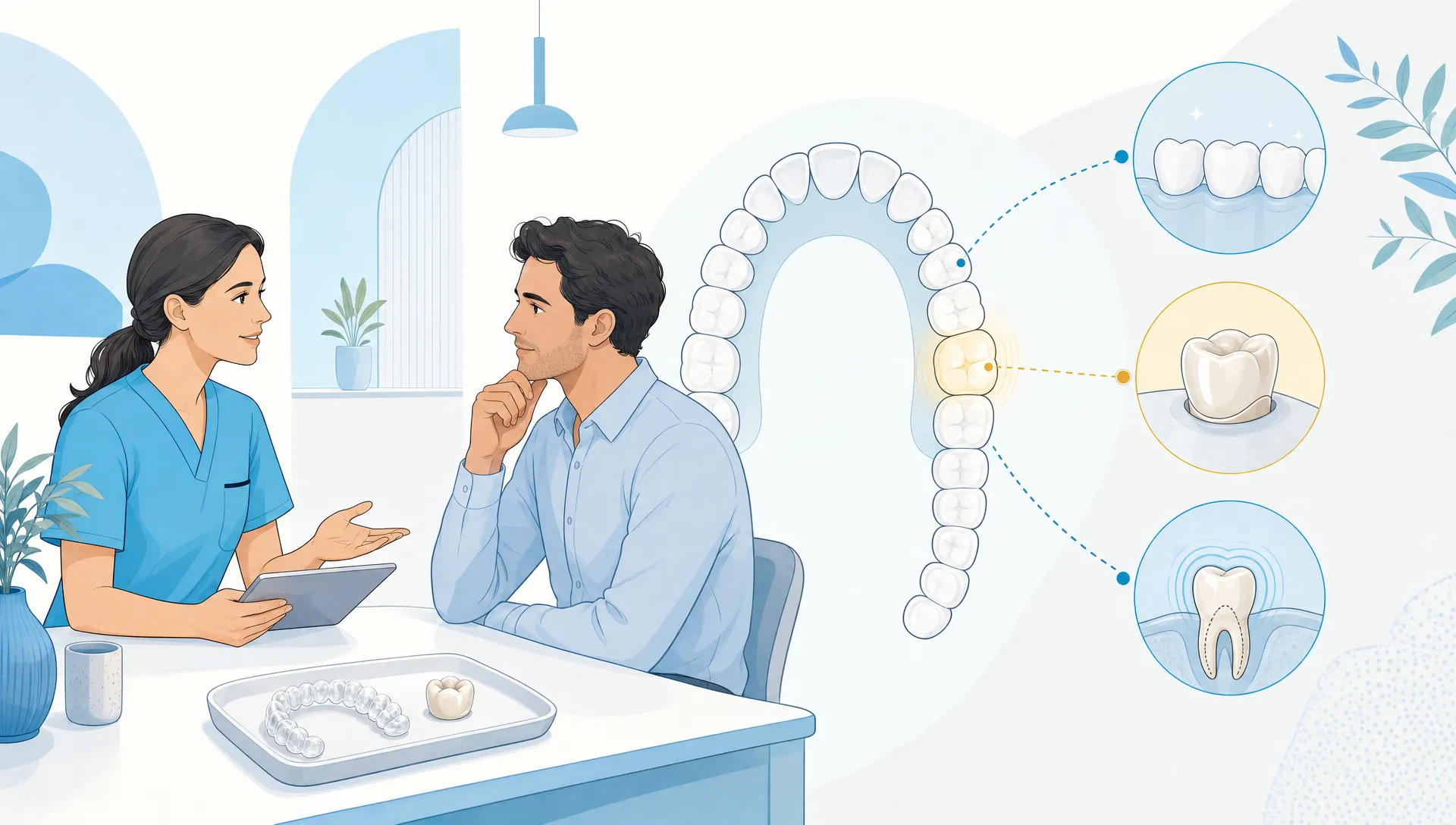
If you are comparing the dental services offered by a local dentist, it can be hard to know which appointment to choose. General dentistry is for day to day oral health, cosmetic dentistry focuses on appearance, and emergency dentistry is for dental pain, injury or symptoms that may need prompt assessment.
For patients in Sydenham and nearby north-west Melbourne suburbs, understanding these categories can make it easier to book the right type of appointment and know what to expect. This guide explains the main types of dental care in plain English, including possible benefits, limitations and when a dentist should assess your situation.
Dental services offered in Sydenham: three broad types
Most dental clinics group care into three main areas: general, cosmetic and emergency dentistry. They often overlap. For example, a broken tooth may be treated urgently first, then restored later with a tooth-coloured filling, crown or another option depending on the damage.
| Type of dental care | Main purpose | Common examples | Typical timing |
|---|---|---|---|
| General dentistry | Maintain oral health and manage everyday dental problems | Check-ups, cleans, fillings, gum care, children’s dentistry, root canal treatment, wisdom teeth assessment | Planned appointments, unless symptoms are worsening |
| Cosmetic dentistry | Improve the appearance of teeth or smile aesthetics | Teeth whitening, Invisalign consultations, tooth-coloured restorations, discussion of cosmetic options | Planned after oral health is assessed |
| Emergency dentistry | Assess and manage dental pain, trauma, swelling or urgent concerns | Severe toothache, broken teeth, knocked-out teeth, infection signs, lost fillings or crowns | As soon as practical, depending on symptoms |
A dental examination can help determine which category applies to your concern. Sometimes the first appointment is mainly about diagnosis, comfort and planning rather than starting definitive treatment immediately.
General dental services: supporting everyday oral health
General dentistry covers the routine and preventive care most people need throughout life. It is not only about treating problems once they become uncomfortable. It also helps identify early changes, monitor risk factors and keep your mouth functioning comfortably.
At a general dental appointment, your dentist may check your teeth, gums, bite, jaw joints and soft tissues such as the tongue and cheeks. Dental X-rays may be suggested where they are clinically useful, for example to look between teeth, check bone levels or assess teeth that are not fully visible.
General dental services may include:
- Dental examinations and oral health checks
- Scale and clean appointments to remove plaque and tartar
- Fillings for decay or minor tooth damage
- Gum health assessment and maintenance
- Children’s dentistry and preventive advice
- Mouthguards or splints where appropriate
- Root canal treatment when the nerve inside a tooth is inflamed or infected
- Wisdom teeth assessment and removal where clinically indicated
Professional cleaning is often part of general dental care, especially when tartar has built up in areas that brushing and flossing cannot remove. If you are unsure whether you need a hygiene appointment, this guide on when to see a dental hygienist for professional cleaning explains common signs such as bleeding gums, tartar build-up and persistent bad breath.
General dental care can also be tailored for families. Children, teenagers, adults and older patients often have different needs, brushing habits, diets and risk factors. For practical home care ideas, the article on family dental care tips for busy Sydenham households offers simple routines that can fit around school, work and sport.
What a general dental appointment may involve
A general appointment usually starts with questions about your dental history, medical history, medications, symptoms and any concerns you want to discuss. This helps your dentist understand your risk factors and whether any treatment needs to be adjusted for your health or comfort.
Your dentist may then examine your mouth and explain what they can see. If treatment is recommended, you can ask about the reason for treatment, available options, likely appointment length, possible risks and expected costs. In some situations, monitoring may be appropriate. In others, earlier treatment may reduce the chance of a problem becoming harder to manage.
Cosmetic dental services: improving appearance with a clinical foundation
Cosmetic dentistry focuses on the appearance of teeth, gums and smile aesthetics. People may ask about cosmetic care because of tooth colour, spacing, crowding, worn edges, visible restorations or changes after dental trauma.
A careful oral health assessment should come before cosmetic treatment. This matters because issues such as tooth decay, gum disease, bite problems or untreated infection can affect whether cosmetic treatment is suitable and how stable the result may be.
Common cosmetic dental discussions may include teeth whitening, Invisalign consultations and options to improve tooth shape or colour. Not every option is suitable for every person. Your dentist can assess factors such as enamel condition, existing fillings or crowns, gum health, bite, tooth position and your treatment goals.
Teeth whitening, for example, may lighten natural tooth enamel, but it does not whiten fillings, crowns or veneers in the same way. Some people experience temporary sensitivity. Clear aligners such as Invisalign are designed to move teeth gradually, but suitability depends on the type of tooth movement required, oral health and how consistently aligners are worn.
All dental procedures carry potential benefits and risks. Cosmetic care should be discussed in a balanced way, including alternatives such as no treatment, monitoring or staged care. Treatment outcomes and experiences vary between patients.
Emergency dental services: when symptoms need prompt assessment
Emergency dental care is for dental problems that should not wait for a routine check-up. This may include severe toothache, facial swelling, a broken or knocked-out tooth, dental trauma, bleeding that does not settle, or signs of infection.
Not every dental concern is an emergency, but some symptoms should be assessed promptly. Swelling of the face or jaw, fever with dental pain, difficulty opening the mouth, difficulty swallowing or breathing, or spreading infection symptoms need urgent advice. If breathing, swallowing, serious facial injury or uncontrolled bleeding is involved, emergency medical care may be required.
For an additional general overview, this plain-English guide to emergency dental situations outlines examples such as severe toothache, broken teeth and facial swelling. Use it as general information only, because a dentist still needs to assess your individual situation.
What emergency dental care may include
An emergency appointment usually focuses on understanding the cause of pain or injury, reducing immediate risk and discussing suitable next steps. The dentist may ask when symptoms started, what makes them better or worse, whether there was trauma, and whether swelling or fever is present.
Depending on the findings, care may involve smoothing a sharp edge, placing a temporary filling, treating infection, draining an abscess where appropriate, starting root canal treatment, removing a tooth, recementing a crown or referring for further care. The recommended option depends on the tooth, surrounding tissues, your medical history and the urgency of the problem.
If an adult tooth is knocked out, try to keep the tooth moist and avoid touching the root where possible while seeking urgent dental advice. A knocked-out baby tooth should not usually be replanted unless a dentist specifically advises it, because this can affect the developing adult tooth.
If you are noticing symptoms that are not severe but keep returning, such as sensitivity, bleeding gums, toothache, cracks, bad breath or jaw pain, the guide on warning signs of dental problems explains when a routine appointment may be wise.
Choosing the right appointment type
If you are unsure which appointment to book, describe your main concern when contacting the clinic. The team can guide you toward a routine examination, cosmetic consultation or emergency appointment based on the information you provide.
| Your main concern | Likely starting point | Why this may help |
|---|---|---|
| It has been a while since your last dental visit | General dental examination | Allows your dentist to assess oral health and discuss any findings |
| Tartar, bleeding gums or persistent bad breath | General dental or hygiene appointment | Helps assess gum health and cleaning needs |
| Tooth colour, crowding or spacing concerns | Cosmetic consultation after oral health assessment | Helps determine which cosmetic options may be suitable |
| Sudden toothache, swelling or broken tooth | Emergency dental appointment | Allows prompt assessment of pain, infection risk or damage |
| Wisdom tooth discomfort | General or emergency appointment depending on severity | Helps assess position, gum inflammation and whether imaging is needed |
| Dental anxiety before treatment | General consultation to discuss comfort options | Gives time to talk through concerns, sedation options and planning |
A dental assessment does not commit you to treatment. It gives you information about what may be happening and which options, if any, are appropriate for your circumstances.
Comfort, anxiety and sedation options
Dental anxiety is common. Some people feel nervous because of past experiences, sensitive teeth, a strong gag reflex, embarrassment or fear of discomfort. A calm discussion before treatment can help your dentist plan appointments in a way that is more manageable for you.
My Smile Dental offers sedation dentistry options, which may be considered for some patients and procedures. Suitability depends on your medical history, medications, anxiety level, the treatment being considered and the type of sedation. Sedation does not remove all risks, and your dentist will need to explain preparation instructions, recovery considerations and alternatives before proceeding.
You can also ask about practical comfort measures, such as taking breaks, agreeing on a hand signal, using local anaesthetic where appropriate, and having treatment explained before it begins. These steps can help reduce uncertainty without making unrealistic promises about how treatment will feel.
Questions to ask before agreeing to treatment
Good dental care involves informed consent. This means you should have the opportunity to understand the recommended treatment, the alternatives and the possible risks before deciding.
Useful questions include:
- What is the likely cause of my symptom or concern?
- Are there any options besides treatment, such as monitoring?
- What are the possible benefits, risks and limitations of each option?
- How many appointments may be involved?
- Will I need X-rays or other tests before a decision can be made?
- What costs should I expect, and are payment plan options available?
- What should I do at home before or after the appointment?
If you do not understand an explanation, it is reasonable to ask for it to be repeated in simpler terms. Dental decisions can involve health, cost, time and personal preferences, so the right choice can vary from person to person.
Dental care for families in Sydenham and nearby suburbs
My Smile Dental is a local Sydenham dental clinic providing general, cosmetic and emergency dental care for families and patients of different ages. Services include children’s dentistry, teeth whitening, Invisalign consultations, wisdom teeth removal, root canal treatment, emergency dental care and sedation dentistry options.
For parents, regular dental visits can also be a chance to ask about brushing technique, fluoride toothpaste, thumb sucking, mouthguards, diet habits and eligibility for child dental benefits. For adults, appointments may focus on gum health, fillings, tooth wear, sensitivity, cosmetic concerns or replacing older restorations.
The most suitable care plan depends on an individual assessment. Your dentist can explain what they find, whether treatment is needed, and which options may be reasonable based on your oral health and goals.
Frequently Asked Questions
What dental services are offered at My Smile Dental? My Smile Dental provides general dentistry, cosmetic dental treatments, emergency dental care, sedation dentistry options, Invisalign consultations, children’s dentistry, wisdom teeth removal, root canal treatment and teeth whitening. Suitability depends on your oral health, medical history and individual needs.
How do I know if I need emergency dental care? Consider prompt dental assessment if you have severe toothache, facial swelling, a broken or knocked-out tooth, dental trauma, uncontrolled bleeding or signs of infection. If you have difficulty breathing or swallowing, serious facial injury or rapidly spreading swelling, seek urgent medical care.
Are cosmetic dental treatments suitable for everyone? No. Cosmetic treatments such as whitening or Invisalign may be suitable for some people, but not all. A dentist needs to assess your teeth, gums, bite, existing restorations and goals before discussing appropriate options.
What happens at a first dental appointment? Your dentist will usually ask about your medical and dental history, discuss your concerns, examine your mouth and explain any findings. X-rays may be recommended if they are clinically useful. You can ask about options, risks, costs and alternatives before deciding on treatment.
Can anxious patients discuss sedation dentistry? Yes. If you feel anxious about dental care, you can discuss sedation options and other comfort measures with your dentist. Suitability depends on your health, medications, the procedure and the type of sedation being considered.
Discuss your dental concerns in Sydenham
If you are unsure whether you need general, cosmetic or emergency dental care, an examination can help clarify the cause of your concern and the options that may be appropriate.
To discuss your needs, you can book an appointment with My Smile Dental in Sydenham. The team can help you choose the most suitable appointment type based on your symptoms, goals and circumstances.
Disclaimer
The information provided on this website is for general informational and educational purposes only. It is not intended to replace professional dental advice, diagnosis or treatment. Dental needs and treatment outcomes vary between individuals. Always seek advice from a qualified dental practitioner regarding your specific circumstances before making decisions about your oral health or treatment. A consultation and clinical assessment are required to determine which treatment options may be suitable for you. All dental procedures carry potential risks and benefits, which will be discussed with you before treatment.