How to Choose a Hillside Dentist for Your Family
26 August 2026 | General Dentistry, Melbourne Dentist, Preventative Dentistry
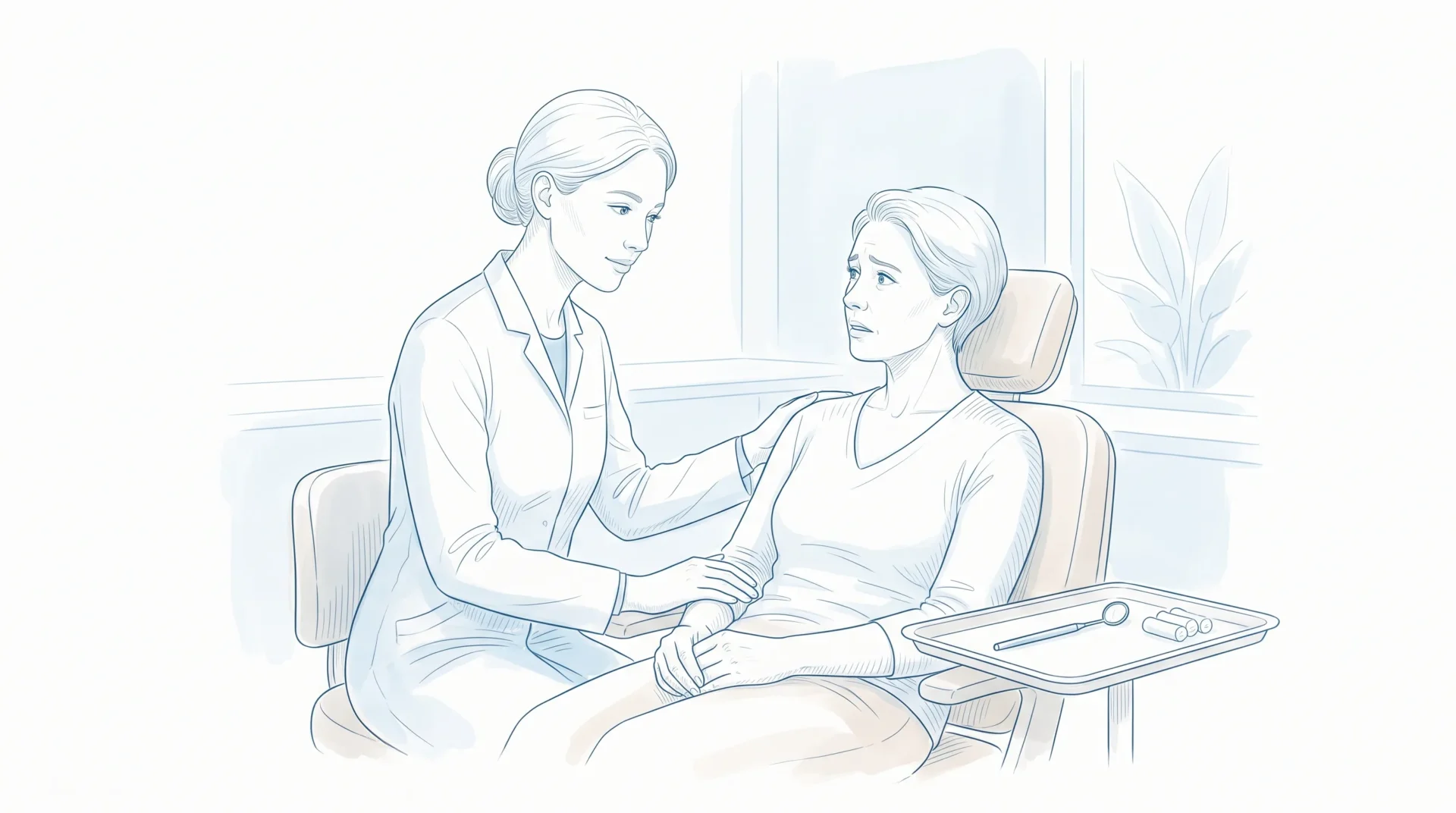
If you are searching for a dentist Hillside families can visit without travelling far, it is worth looking beyond the closest option on the map. A good fit for your family should feel practical, clear and comfortable, whether you need a routine check-up, advice for a child, cosmetic treatment information or help with dental pain.
Hillside is close to Sydenham, Taylors Hill, Delahey, Caroline Springs and surrounding north-west Melbourne suburbs, so families often have several clinics within a short drive. The right choice usually comes down to services, communication, accessibility, costs and how well the dental team explains your options.
Start With Your Family’s Actual Dental Needs
Before comparing clinics, think about what your household is likely to need over the next few years. A young family may prioritise children’s dentistry, preventive care and guidance around brushing, diet and habits. Adults may need regular cleans, fillings, gum checks, replacement of old restorations or advice about worn or cracked teeth.
Some families also want a clinic that can discuss cosmetic options such as teeth whitening, veneers or Invisalign consultations. Others may need a dentist who can assess wisdom teeth, dental infections or urgent pain. Not every clinic provides the same services, and some situations require referral to another dentist or specialist.
A practical way to compare clinics is to match your needs with the questions you ask before booking.
| Family need | Helpful question to ask | Why it matters |
|---|---|---|
| Routine check-ups | Do you provide general dental examinations and cleans for adults and children? | Regular care may help identify issues earlier, depending on your oral health. |
| Children’s dentistry | How do you usually approach appointments for nervous or first-time child patients? | A calm introduction can make dental visits feel more manageable for children. |
| Dental pain or injury | Do you offer emergency dental appointments, and how should I contact the clinic if symptoms are urgent? | Knowing the process ahead of time can reduce confusion when pain occurs. |
| Cosmetic concerns | Will my oral health be assessed before cosmetic options are discussed? | Teeth and gums should be checked before recommending cosmetic treatment. |
| Dental anxiety | Do you offer comfort-focused care or sedation options, and who may be suitable? | Sedation is not suitable for everyone and requires an individual assessment. |
For a clearer overview of the different types of care, My Smile Dental has a guide explaining general, cosmetic and emergency dental services and when each may be relevant.
What to Look for in a Dentist Hillside Families Can Visit Regularly
Convenience matters because dental care often involves more than one appointment. A check-up may lead to a clean, X-rays if clinically needed or a follow-up discussion about treatment options. Children may also benefit from familiar surroundings if they attend the same clinic over time.
When looking for a Hillside dentist or a nearby Sydenham dental clinic, consider travel time from home, school or work. Also think about how easy it is to make appointments for different family members, whether the clinic can accommodate urgent concerns where possible and whether the team explains what to do if symptoms occur outside normal hours.
Location should not be the only factor, though. A clinic may be close by but still not feel like the right fit if communication is rushed or treatment options are not explained clearly. For a broader decision-making framework, this guide to choosing a dental clinic that suits your needs covers factors such as services, comfort, costs, technology and convenience.
Check How the Clinic Communicates About Treatment
Good communication is especially important when choosing a dentist for a whole family. Each person may have different concerns, medical history, oral health risks and preferences. A helpful dental team should take time to ask what brought you in, explain findings in plain language and outline reasonable options.
Before you agree to treatment, you should understand what has been recommended, why it may be recommended, what alternatives may be available and what the possible risks and limitations are. This is part of informed consent, which is important for all dental procedures, including routine treatment and cosmetic care.
Helpful signs include clear explanations, itemised treatment plans where appropriate and space to ask questions without feeling pressured. Be cautious if a clinic appears to recommend cosmetic or complex treatment before checking your teeth, gums, bite and medical history. Suitability depends on individual factors, and treatment outcomes vary between patients.
Consider the Approach to Children and Nervous Patients
For many families, the emotional side of dental care matters as much as the technical side. Children may be unsure about new environments, unfamiliar instruments or lying back in the dental chair. Adults may also feel anxious due to previous experiences, fear of discomfort or embarrassment about how long it has been since their last visit.
A family-focused dental clinic should be able to explain appointments in a calm, age-appropriate way. This may involve introducing children gradually, letting them ask questions and focusing on prevention before problems become more complicated. For adults, it can include discussing concerns before treatment begins and agreeing on signals to pause if needed.
Some patients ask about sedation dentistry. Sedation may be considered for certain people who feel very anxious, have a strong gag reflex or need particular procedures, but it is not automatically suitable. Your dentist needs to assess your medical history, medications, dental needs and the type of treatment before discussing whether sedation may be appropriate.
Look for a Sensible Range of Services, Not a One-Size-Fits-All Promise
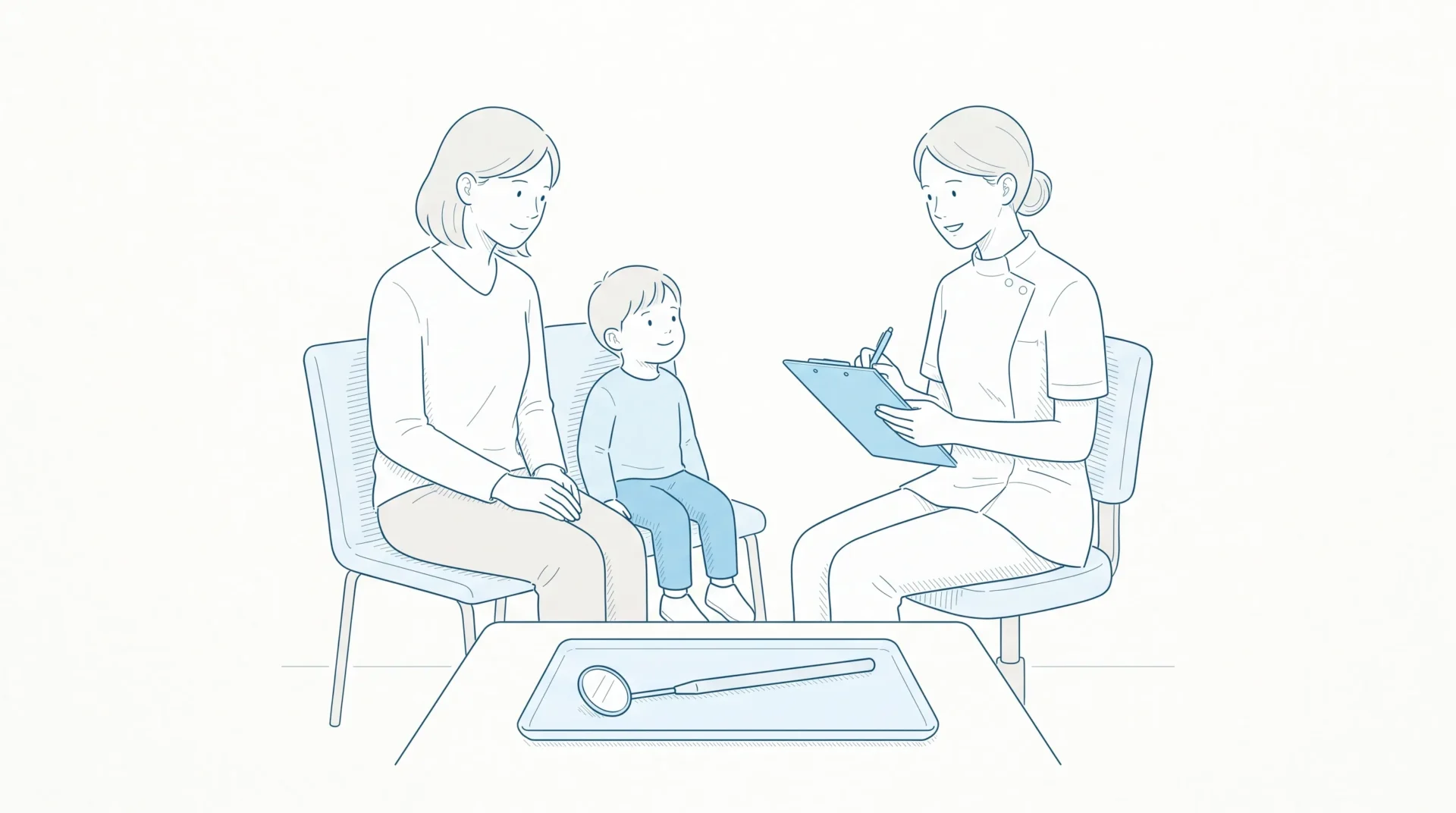
A family dentist does not need to provide every possible treatment in dentistry. What matters is whether the clinic can manage the care your family commonly needs and refer appropriately when a situation is outside the scope of general practice.
My Smile Dental in Sydenham provides general dentistry, cosmetic dental treatments, emergency dental care, Invisalign consultations, children’s dentistry, wisdom teeth removal, root canal treatment and teeth whitening. These services may be relevant for different family members at different stages, but they should always be recommended based on a clinical assessment.
For example, teeth whitening may not be suitable if there is untreated decay, gum disease, certain types of restorations or tooth sensitivity. Invisalign may be considered for some orthodontic concerns, but your dentist needs to assess your bite, gum health and treatment goals first. Wisdom teeth may only need monitoring in some cases, while others may require further investigation or removal.
A balanced clinic will explain when no treatment is needed, when monitoring is reasonable and when referral may be appropriate.
Ask About Costs, Payment Options and Eligibility Before You Begin
Cost is a practical part of choosing a dentist near Hillside, particularly for families with multiple people attending appointments. Dental fees can vary depending on the treatment, complexity, materials, time required and whether additional steps such as X-rays are clinically needed.
Before starting treatment, ask for an estimate and find out what is included. If you have private health insurance, the clinic may be able to provide item numbers so you can check your rebate with your health fund. If you have children, you can also ask whether they may be eligible for the Child Dental Benefits Schedule, a Medicare program for eligible children.
My Smile Dental offers payment plan options, but suitability and availability can depend on the treatment and individual circumstances. It is reasonable to ask about payment timing, deposits, health fund claiming and whether a staged approach is possible when clinically appropriate.
The lowest fee is not always the best guide to value. More useful questions include whether the treatment plan is clear, whether alternatives have been discussed and whether you understand the likely maintenance involved.
Know What a First Appointment May Involve
A first visit is usually a chance for the dental team to understand your concerns and assess your oral health. You may be asked about your medical history, medications, allergies, past dental experiences and any current symptoms. This information helps your dentist consider treatment safely and appropriately.
The dentist may check your teeth, gums, bite, jaw joints and soft tissues. X-rays may be recommended if they are needed to see areas that cannot be assessed properly by looking in the mouth alone. After the examination, your dentist can explain any findings and discuss options, including prevention, monitoring or treatment.
If you feel unsure about what happens at an appointment, you can read more about what to expect at your first Sydenham dental clinic visit. Knowing the usual process can make it easier to prepare questions before you attend.
Do Not Ignore Symptoms That May Need Prompt Dental Care
Not all dental concerns are urgent, but some symptoms should be checked promptly. These include facial swelling, swelling around the gum, severe or worsening toothache, dental trauma, a knocked-out adult tooth, uncontrolled bleeding after an injury or signs of infection such as fever with dental swelling.
If symptoms are severe, spreading or affecting breathing or swallowing, seek urgent medical care or call 000. For dental pain, broken teeth, lost fillings or swelling that appears dental in origin, contacting a dental clinic as soon as practical can help you understand the next appropriate step.
Emergency dental care usually starts with an assessment. The immediate goal may be to diagnose the likely cause, relieve symptoms where possible and discuss options. Further treatment may be needed later, depending on the diagnosis and your individual situation.
Practical Questions to Ask Before Choosing a Clinic
You do not need to interview a clinic in detail before every appointment, but a few questions can help you choose confidently. These are especially useful if you are comparing dentists near Hillside, Sydenham and surrounding suburbs.
- Does the clinic provide care for both adults and children?
- What should I do if I have dental pain or a broken tooth?
- Will I receive an explanation of treatment options, risks and costs before deciding?
- Are cosmetic treatments assessed in the context of oral health first?
- Are sedation options available, and how is suitability assessed?
- Can the clinic provide item numbers or a written estimate before treatment?
- How does the team approach nervous patients or children attending for the first time?
It can also help to think about your family’s day-to-day routines. Preventive care is easier when it fits into normal life, including brushing, flossing, meals, school schedules and work commitments. For practical home-care ideas, My Smile Dental has shared family dental care tips for busy Sydenham households.
Frequently Asked Questions
Is Sydenham a convenient option if I am looking for a dentist near Hillside? Sydenham is a nearby suburb for many Hillside families, so it may be a practical option if the clinic’s services, appointment availability and communication style suit your needs. Travel time, school or work routines and follow-up convenience are worth considering.
How often should my family see a dentist? The right interval varies. Some people may be advised to attend every six months, while others may need a different schedule depending on gum health, tooth decay risk, medical history, oral hygiene and previous dental treatment. Your dentist can recommend a review interval after examining your mouth.
What should I bring to a first appointment? Bring details of your medical history, medications, allergies, private health insurance information if relevant and any previous dental records or X-rays if you have them. If you are attending for pain, note when it started, what triggers it and whether swelling or fever has occurred.
Can one clinic look after both general and cosmetic dental concerns? In many cases, a general dental clinic can assess both health-related and cosmetic concerns. However, cosmetic treatment should be considered only after checking the condition of your teeth, gums and bite. Some complex concerns may require referral.
How do I choose a dentist for an anxious child? Look for a clinic that explains appointments gently, allows time for questions and avoids making the child feel rushed or embarrassed. It may help to start with a simple examination rather than waiting until the child has pain.
When should dental pain be assessed urgently? Prompt assessment is sensible if pain is severe, worsening, linked with swelling, caused by trauma or accompanied by fever. If swelling affects breathing or swallowing, seek emergency medical care immediately.
Choosing a Local Dental Clinic With Confidence
Choosing a Hillside dentist for your family is less about finding a single “right” answer and more about finding a clinic that fits your practical needs, communicates clearly and takes your individual circumstances into account.
If you live in Hillside or a nearby north-west Melbourne suburb, My Smile Dental in Sydenham can assess your oral health and explain options that may be suitable for you or your family. To discuss a concern or arrange an appointment, contact My Smile Dental for an assessment in Sydenham.
Disclaimer
The information provided on this website is for general informational and educational purposes only. It is not intended to replace professional dental advice, diagnosis or treatment. Dental needs and treatment outcomes vary between individuals. Always seek advice from a qualified dental practitioner regarding your specific circumstances before making decisions about your oral health or treatment. A consultation and clinical assessment are required to determine which treatment options may be suitable for you. All dental procedures carry potential risks and benefits, which will be discussed with you before treatment.