Oral Care Habits for Teeth and Gums
15 October 2026 | General Dentistry, Oral Health, Preventative Dentistry
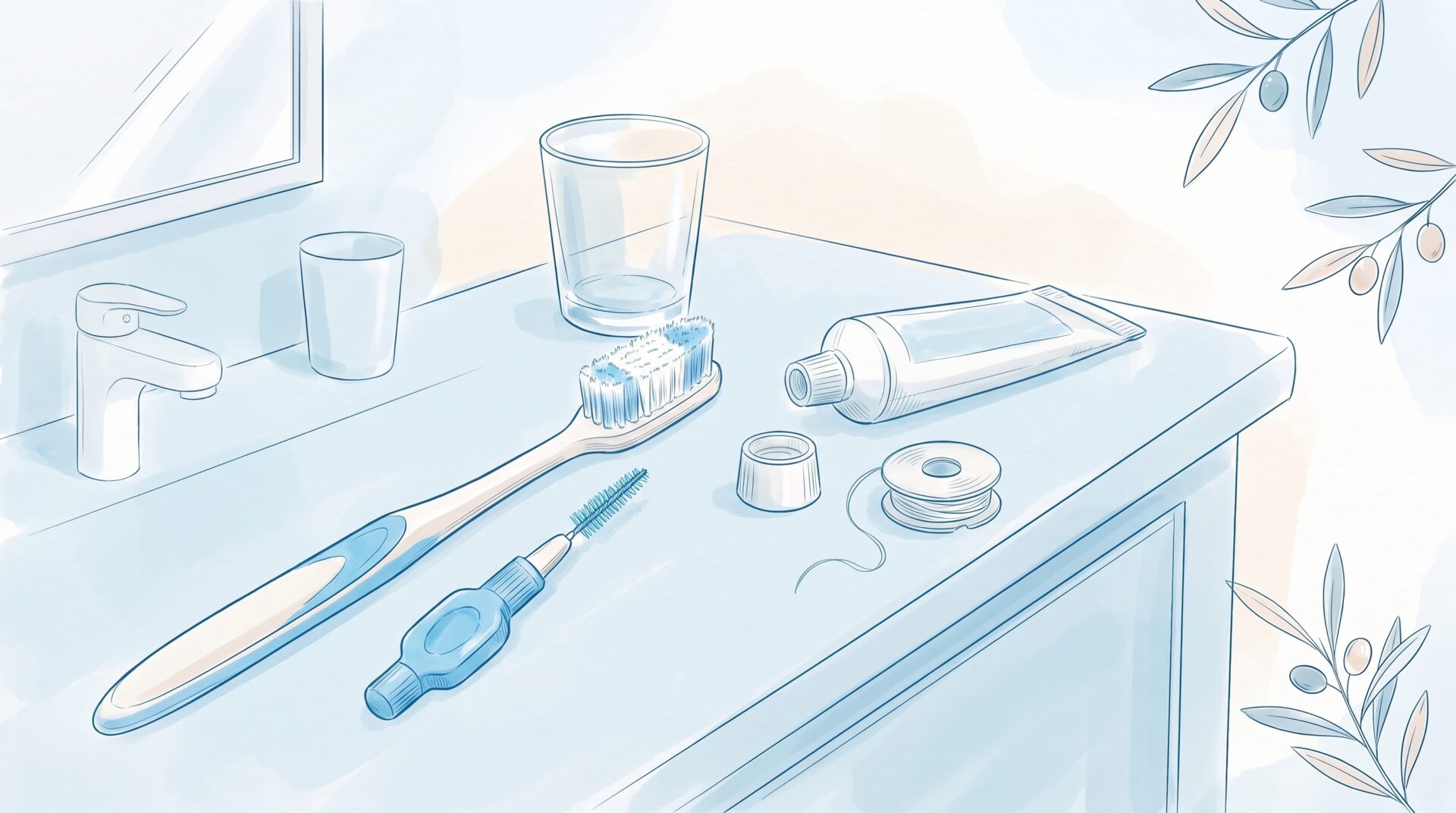
A good oral care routine combines twice-daily brushing with fluoride toothpaste, daily cleaning between teeth and sensible food and drink habits. These steps help manage dental plaque, the sticky film of bacteria that builds up on teeth, and reduce the risk of tooth decay and gum disease.
For adults in Sydenham and Melbourne’s north-west, the most useful routine is one you can maintain consistently. It does not need expensive products or a crowded bathroom shelf. It needs gentle technique, suitable cleaning tools and dental advice when symptoms or changes need checking.
Brush thoroughly without scrubbing harder
Brush twice a day for about two minutes, including before bed, using a soft-bristled toothbrush and fluoride toothpaste. Fluoride helps strengthen tooth enamel, the hard outer surface of your teeth, and supports the repair of early mineral loss.
Position the bristles towards the gumline and use small, gentle movements. Work around the outside, inside and chewing surfaces of every tooth. The inside surfaces of the lower front teeth and the back molars are easy places to miss.
A manual or electric toothbrush can be suitable. With an electric brush, follow its instructions and guide the head slowly from tooth to tooth rather than adding vigorous scrubbing. A timer may help you spend enough time brushing.
Afterwards, spit out excess toothpaste without rinsing straight away, so fluoride remains on the teeth. The Victorian Government’s guidance on teeth and gum care explains the role of fluoride toothpaste and regular cleaning.
Gentle technique matters in oral care: pressing harder does not make brushing more effective and may contribute to gum irritation or tooth wear. Replace your brush or brush head when the bristles become worn or splayed.
Clean the spaces your toothbrush cannot reach
Toothbrush bristles do not reliably clean the narrow spaces between neighbouring teeth. Daily cleaning in these areas helps remove plaque and trapped food.
For close contacts, dental floss may be appropriate. Ease it between the teeth without snapping it into the gums, then curve it around the side of one tooth. Move it gently up and down before cleaning the facing surface of the next tooth. Simply passing floss through the gap can leave plaque on those surfaces.
Interdental brushes are small brushes designed to clean between teeth. They can be useful where there is enough space, including around some bridges or orthodontic appliances. The brush should fit comfortably without being forced. Different areas of your mouth may need different sizes.
If floss is difficult to handle, a floss holder or another cleaning aid may make the task more manageable. Ask your dentist which option suits your teeth, gum health and hand mobility. The most suitable tool is not necessarily the most expensive one, but it does need to reach the areas you are trying to clean.
Choose oral care products for a clear purpose
Start with fluoride toothpaste and a soft toothbrush, then add other products only when they address a particular need. Packaging claims such as “total care” do not explain whether a product suits your mouth.
| Product | What it may help with | What to keep in mind |
|---|---|---|
| Fluoride toothpaste | Reducing decay risk and supporting enamel remineralisation | A dentist may recommend a different fluoride strength for particular circumstances |
| Interdental brushes | Removing plaque between teeth where space allows | The size should be suitable and the brush should not be forced |
| Mouthwash | Supporting care for certain gum conditions or decay risks | It does not replace brushing or cleaning between teeth |
| Whitening toothpaste | Removing some surface stains | It does not change the colour of fillings or crowns |
Mouthwash is not essential for everyone. If recommended, ask about the type, timing and duration of use. Avoid using it immediately after brushing, as this washes away the fluoride toothpaste left on your teeth. Chlorhexidine mouthwash, sometimes recommended for short-term use, can cause staining and changes in taste.
A useful oral care routine focuses on health rather than making teeth a particular shade. Natural tooth colour varies. If you are considering professional teeth whitening, a dental assessment can check suitability and discuss limitations, including possible sensitivity and the fact that existing restorations do not whiten.
Reduce repeated sugar and acid exposure
How often your teeth encounter sugar matters, not just the amount you consume. Repeated sugary snacks or sipping sweetened drinks throughout the day give plaque bacteria frequent opportunities to produce acids that can contribute to decay.
Where practical, have sugary foods with meals rather than grazing on them. Water is a useful everyday drink, particularly between meals. You do not need to avoid every enjoyable food to look after your teeth.
Acidic drinks can also wear away enamel through a process called dental erosion. Soft drinks, sports drinks and some flavoured waters may be acidic even when labelled sugar-free. Avoid holding or swishing these drinks around your mouth.
Food and drink choices support oral health alongside cleaning; they cannot replace fluoride toothpaste or daily plaque removal. After acidic foods or drinks, rinse with water and avoid brushing immediately. If you frequently experience reflux or vomiting, discuss this with your dentist and GP because repeated acid exposure may affect your teeth.
Adjust your routine for bleeding, sensitivity or aligners
Your cleaning routine may need small changes as your oral health or treatment needs change. Persistent symptoms deserve an assessment rather than repeated changes of toothpaste.
Bleeding gums and sensitive teeth
Gums that bleed during brushing or interdental cleaning may be inflamed, although bleeding can have other causes. Keep cleaning gently rather than avoiding the area altogether. Arrange a dental assessment if bleeding persists, recurs or comes with swelling or discomfort.
Sensitivity to cold, sweet foods or brushing can relate to exposed tooth surfaces, decay, cracks or other conditions. A sensitive-tooth toothpaste may help some people, but it does not identify or treat every cause. New sensitivity affecting one tooth, or discomfort that lingers after the trigger stops, should be checked.
Invisalign, retainers and other appliances
If you wear Invisalign aligners or a removable retainer, follow the cleaning and wear instructions provided by your treating dentist. Clean your teeth before reinserting the appliance, and avoid hot water unless its instructions specifically permit it, as heat can distort some materials.
Fixed retainers and other appliances may need additional cleaning tools. Ask for a demonstration rather than forcing floss or brushes around them. An appliance should not make areas of your mouth inaccessible to your daily routine.
What a dental appointment can add to home care
Daily cleaning removes soft plaque, but it cannot reliably remove tartar, which is plaque that has hardened onto the teeth. A dental professional can assess whether a professional clean is needed and check areas that are difficult to see at home.
An examination may include checking teeth, gums, existing fillings and your bite. Your dentist may ask about your medical history, medicines, smoking or vaping, dry mouth and any symptoms. X-rays may be recommended when clinically indicated, rather than automatically at every visit.
There is no single appointment interval that suits everyone. Gum health, decay risk and previous dental problems all influence timing. My Smile Dental’s guide to how often to book a professional teeth clean explains why recommendations can differ.
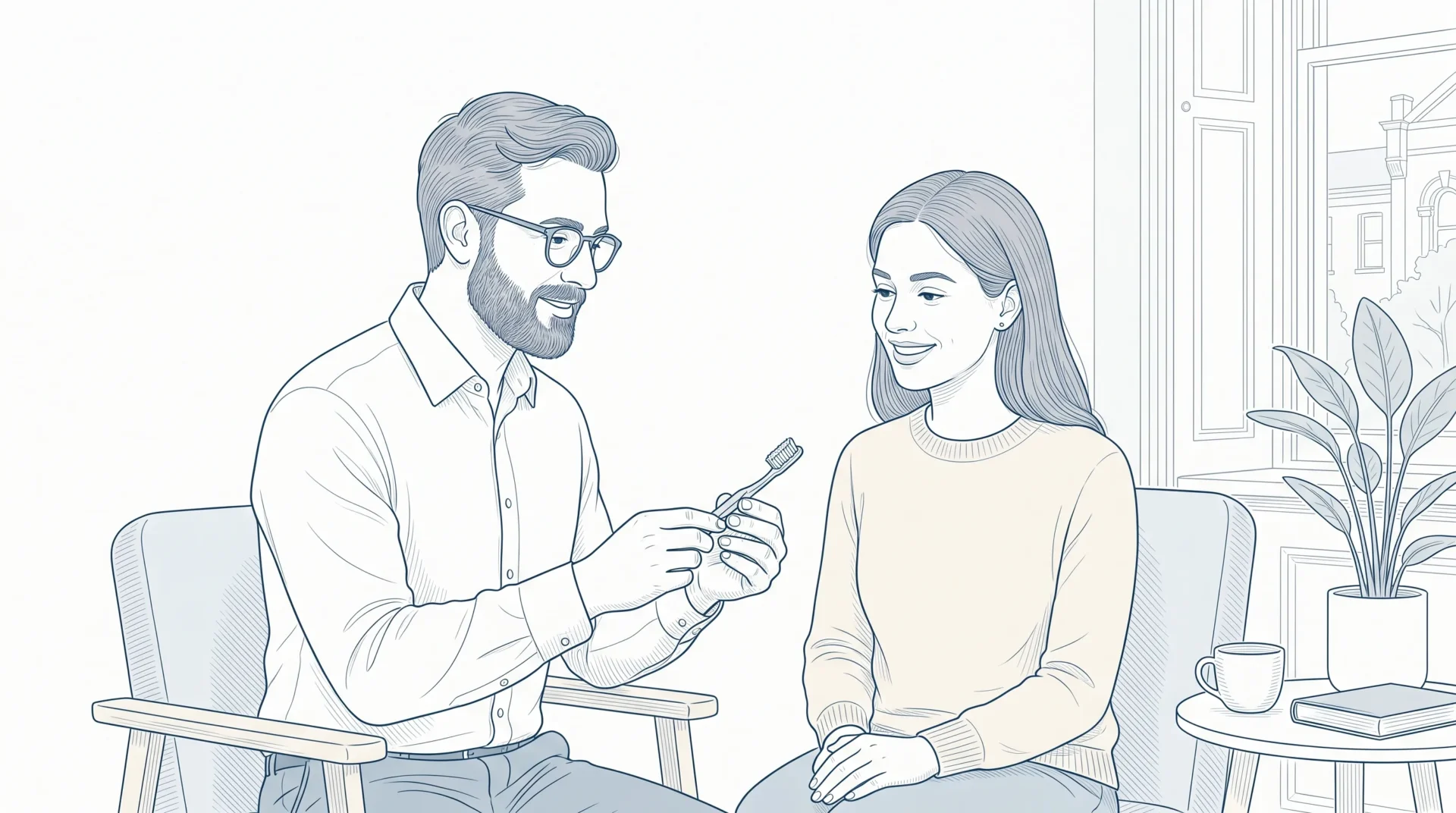
Bring your toothbrush or interdental brushes if you would like advice on using them. Reviewing technique can make oral care more practical without adding unnecessary products or treatment. Let the team know if you feel anxious so you can discuss the appointment and available support before care begins.
Know when home care is not enough
Arrange a dental assessment for ongoing gum bleeding, persistent bad breath despite cleaning, recurring sensitivity or a change in how your teeth fit together. These symptoms have different possible causes and cannot be diagnosed from a home-care checklist.
Toothache, a broken tooth or localised swelling may need prompt dental attention. If you are unsure which appointment to request, understanding the differences between general and emergency dental care can help you explain your concern when contacting the clinic.
Facial swelling with fever needs urgent assessment. Difficulty breathing or swallowing, or rapidly spreading swelling towards the neck or eye, requires emergency medical care. Call 000 for breathing difficulty or other life-threatening symptoms. Healthdirect’s dental abscess information explains signs that an infection may need urgent treatment. Do not try to drain swelling yourself.
Frequently asked questions
Should I stop flossing if my gums bleed? Do not automatically stop cleaning between your teeth. Use gentle technique and avoid forcing the cleaning tool. Persistent or recurring bleeding should be assessed, particularly if your gums are swollen or sore. Your dentist can check the cause and demonstrate a suitable method.
Can mouthwash replace brushing when I am short on time? No. Mouthwash does not provide the mechanical cleaning needed to remove plaque from tooth surfaces. Brushing with fluoride toothpaste and cleaning between teeth remain the foundation of daily care. Use mouthwash only as an addition when appropriate.
Is a six-monthly dental check-up right for everyone? Not necessarily. Some people need closer monitoring, while others may be advised to attend less frequently. The interval should reflect your oral health, medical history and individual risk factors, rather than a fixed schedule applied to every patient.
Does oral care mean I need cosmetic treatment? No. Looking after teeth and gums does not require whitening, veneers or orthodontic treatment. Cosmetic treatment is optional. If you are interested, an assessment can explain suitability, potential benefits, risks and alternatives without assuming treatment is necessary.
Discuss your routine with My Smile Dental in Sydenham
If you are unsure about your cleaning technique or have a symptom that keeps returning, you can arrange an appointment with My Smile Dental in Sydenham, Melbourne. A dental examination can help identify what needs attention and which options may be appropriate. You can also ask for practical advice that fits your daily routine and individual circumstances.
Disclaimer
The information provided on this website is for general informational and educational purposes only. It is not intended to replace professional dental advice, diagnosis or treatment. Dental needs and treatment outcomes vary between individuals. Always seek advice from a qualified dental practitioner regarding your specific circumstances before making decisions about your oral health or treatment. A consultation and clinical assessment are required to determine which treatment options may be suitable for you. All dental procedures carry potential risks and benefits, which will be discussed with you before treatment.