Should You Consider Cleaning and Whitening Teeth Together?
22 October 2026 | Cosmetic Dentistry, Teeth Cleaning, Teeth Whitening
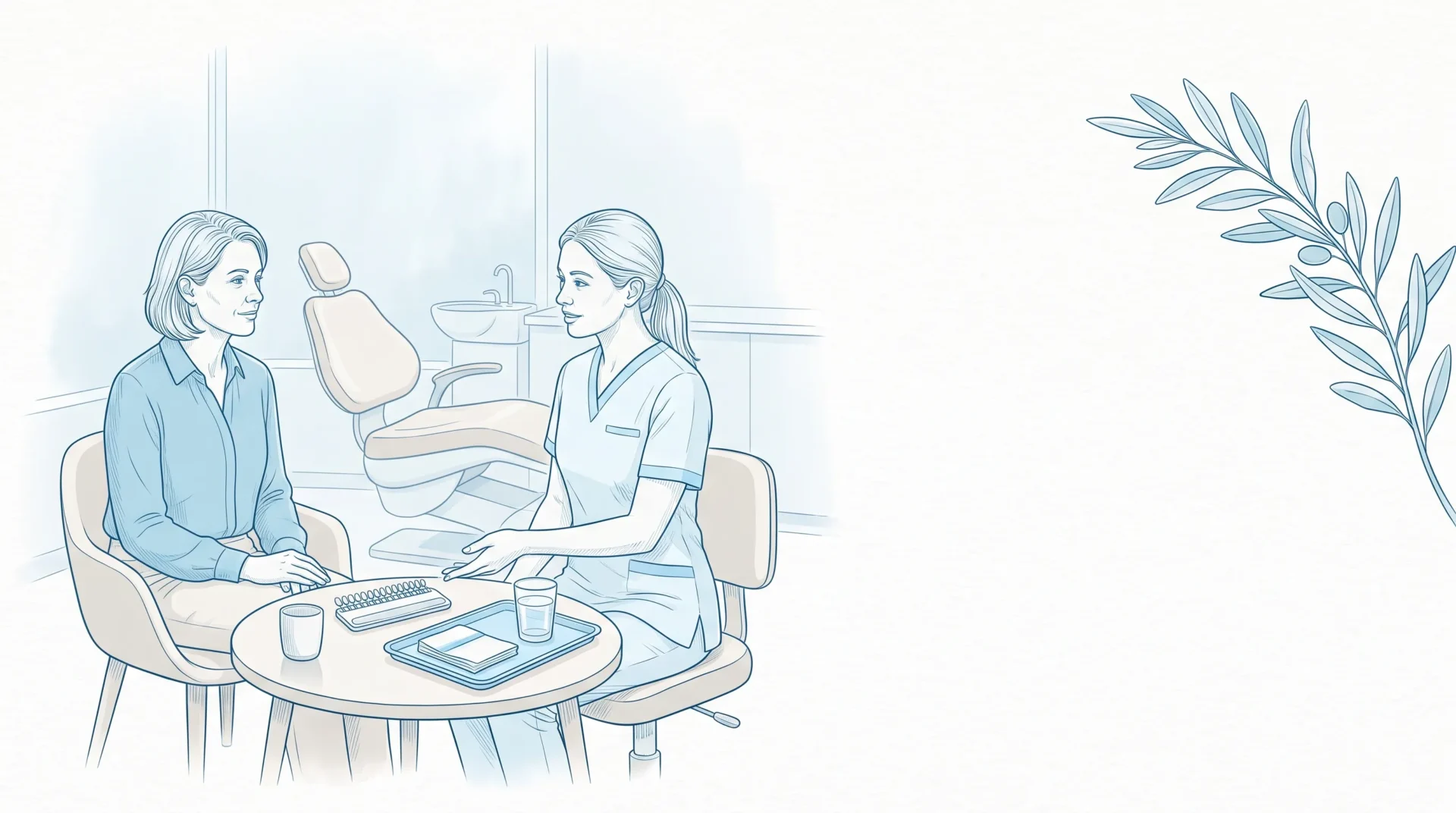
If you are searching for “cleaning and whitening teeth near me” in Sydenham, you may be wondering whether to book both treatments together. They can sometimes be planned together, but they do different jobs. A professional clean removes plaque, hardened deposits and some surface stains. Whitening changes the colour of natural teeth.
The sensible starting point is an oral health assessment. A clean may improve the appearance of your teeth enough that you decide against whitening. If you still want a lighter shade, your dentist can assess whether whitening is suitable and when to begin.
What is the difference between cleaning and whitening?
Professional cleaning usually involves removing plaque and calculus, also called tartar, from teeth. Plaque is a sticky bacterial film, while calculus is a hardened deposit that brushing cannot remove. Polishing may also help remove external staining.
Whitening uses a bleaching agent to lighten natural tooth colour. It does not remove calculus or treat tooth decay or gum disease.
| Question | Professional cleaning | Teeth whitening |
|---|---|---|
| Main purpose | Remove plaque, calculus and some surface stains | Lighten the colour of natural teeth |
| Can it change tooth colour? | May reveal the natural shade beneath surface staining | May lighten suitable natural teeth, with variable results |
| Does it treat dental disease? | Can form part of care for gum health | Does not treat decay or gum disease |
| Will fillings and crowns lighten? | Cleaning may remove surface deposits | Existing restorations do not bleach like natural teeth |
Neither treatment replaces daily brushing and cleaning between your teeth.
“Cleaning and whitening teeth near me”: can both happen together?
Sometimes, but a same-day appointment is not suitable for everyone. Your dentist will consider your gum health, sensitivity, the cleaning required and the whitening method being considered.
If your teeth and gums are healthy and cleaning is straightforward, your dentist may consider whitening at the same visit. Another option is to complete the clean first and discuss dentist-supervised take-home whitening afterwards.
Separate visits may be preferable if cleaning leaves your gums tender or your teeth sensitive. Allowing time to reassess also gives you an opportunity to look at your teeth after surface stains have been removed, before deciding whether further cosmetic treatment is worthwhile.
There is no single waiting period that applies to every patient. Ask what timing is appropriate for your mouth rather than assuming that a combined appointment is necessary or more effective.
When should whitening wait?
When comparing “cleaning and whitening teeth near me”, the important distinction is between treatment that supports oral health and treatment chosen to change appearance. Whitening is elective and can usually wait while other concerns are assessed.
Your dentist may recommend addressing tooth decay, active gum disease, damaged restorations or unexplained sensitivity first. Exposed root surfaces and cracks can also affect whether whitening is suitable.
If you need more extensive gum treatment, this is different from a routine scale and polish. Our guide to when to see a dental hygienist for professional cleaning explains that distinction in more detail.
Mention any persistent pain, bleeding, swelling or a tooth that has recently become darker. These changes deserve assessment rather than being treated as staining alone. Facial swelling, particularly with fever, needs prompt professional advice.
How to decide whether you want both treatments
Start with what is causing the discolouration
Tea, coffee and tobacco can contribute to external stains that cleaning may reduce. Natural tooth colour and changes within a tooth are different issues, so polishing alone may not produce the change you have in mind.
Yellow-toned natural teeth may respond to whitening, but the amount of change varies. Some deeper stains respond less predictably. A single dark tooth may need a different assessment from generally darker teeth.
Consider existing fillings, crowns and veneers
Whitening does not lighten tooth-coloured fillings, crowns or veneers in the same way as natural teeth. This can create a visible shade mismatch, especially at the front of the mouth.
Discuss this before starting treatment. Replacing otherwise sound dental work simply to match a new shade involves additional costs and clinical considerations. Keeping your current tooth colour is also a reasonable choice.
What might an appointment in Sydenham involve?
At an assessment, your dentist can ask about your concerns, medical history, medicines and previous sensitivity. They can examine your teeth, gums and existing dental work, then discuss whether cleaning, whitening or another approach is appropriate. X-rays may be recommended if clinically indicated, rather than automatically for whitening.
Useful questions include:
- What is causing the colour I can see? Ask whether it appears to be surface staining, natural tooth colour or something requiring further assessment.
- Could cleaning alone be enough? You can review the appearance afterwards before deciding about whitening.
- Should the appointments be separate? Ask how gum health and sensitivity affect the timing.
- What are the risks and alternatives? Include the option of having no cosmetic treatment.
If dental visits make you anxious, mention this when arranging your appointment. You can ask how the examination and cleaning will be explained, and discuss breaks or other comfort needs before treatment begins.
What risks and limitations should you understand?
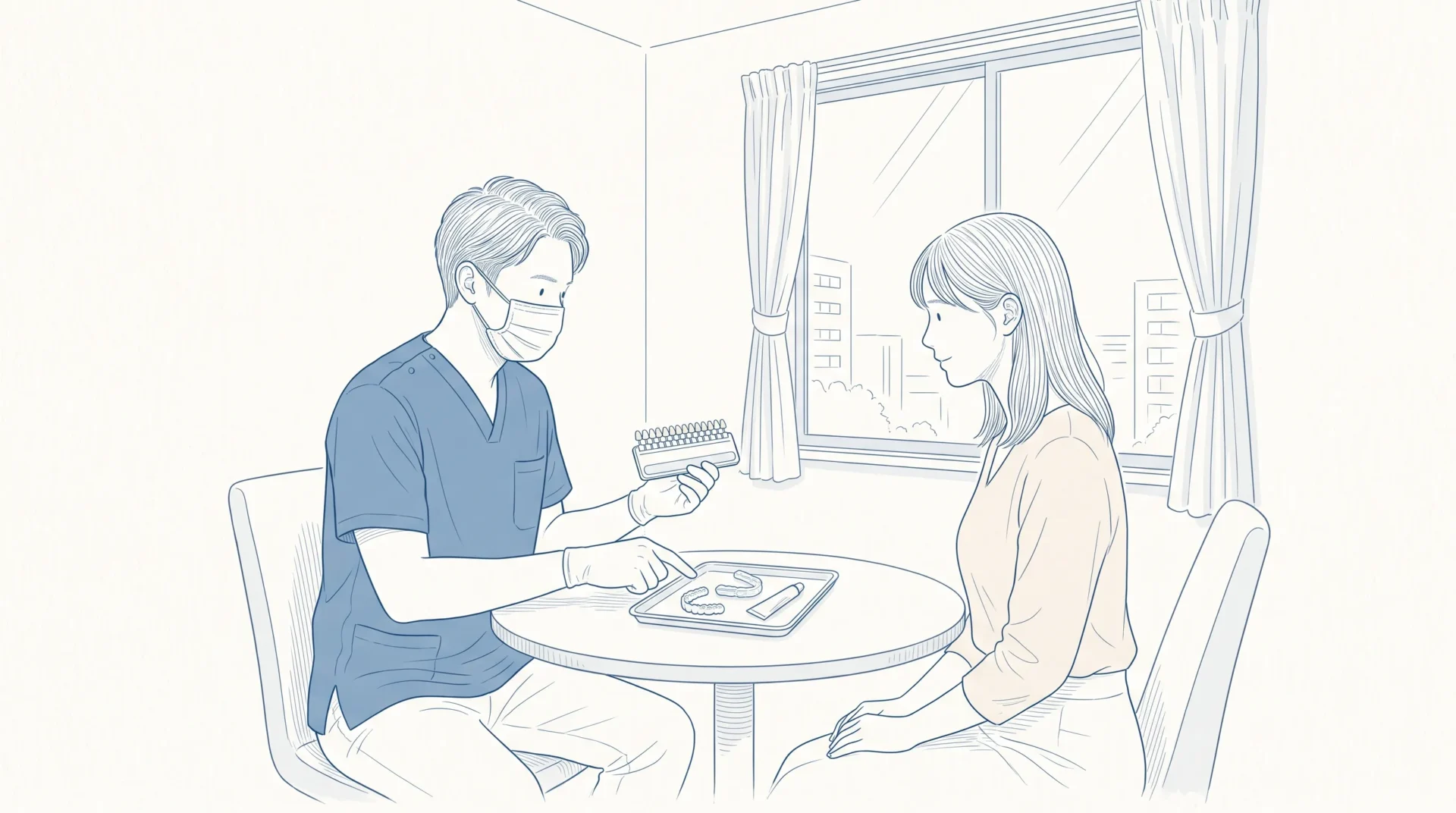
Whitening can cause temporary tooth sensitivity and gum irritation. Cleaning can also leave teeth or gums temporarily sensitive, particularly where deposits have been removed or root surfaces are exposed. Having both treatments close together may therefore be uncomfortable for some people.
Healthdirect’s guidance on teeth whitening explains why a dental assessment matters and outlines possible side effects. Dentist supervision does not make whitening risk-free, but it allows suitability, instructions and any symptoms to be discussed.
Results vary with the starting colour, the cause of staining and the method used. Whitening is not permanent, and a particular shade cannot be guaranteed. If sensitivity develops, contact your treating dental team rather than increasing product strength or treatment frequency yourself.
How much does cleaning and whitening cost?
A search for “cleaning and whitening teeth near me” may show combined offers, but a headline price may not cover the same services at each clinic. There is no single combined fee that accurately reflects every patient’s needs.
Ask for an itemised estimate showing the examination, any clinically indicated X-rays, cleaning and the proposed whitening treatment. If take-home whitening is recommended, clarify whether custom trays, gel and review appointments are included.
More involved gum care or treatment for decay may be separate from the initial estimate. These should be explained before you decide whether to proceed.
Our guide to what can affect teeth whitening costs explains the factors behind price differences. If you have private health insurance, check your individual cover and benefit limits rather than assuming either service is included.
Looking after your teeth afterwards
Continue brushing twice daily with fluoride toothpaste and cleaning between your teeth. Follow the instructions provided for your particular whitening treatment, including how much product to use and what to do if sensitivity occurs.
Do not extend treatment or add other whitening products without discussing it with your dentist. More frequent use is not necessarily appropriate and can increase irritation.
Future cleaning appointments should be based on your oral health needs. Whitening top-ups are a separate cosmetic decision, not something everyone needs on a fixed schedule.
Frequently asked questions
Can a professional clean make yellow teeth look whiter? It may improve their appearance if external stains are contributing to the colour. Cleaning does not bleach teeth, so their underlying natural shade may remain unchanged.
Do I need a clean before every whitening treatment? Not automatically. Your dentist can check for deposits, staining and gum problems, then recommend cleaning if it is clinically appropriate. An additional clean should not be assumed necessary simply because you want whitening.
Is professional teeth cleaning worthwhile if I do not want whitening? Cleaning may be recommended to remove calculus and support gum care, independently of cosmetic preferences. Whether you need it, and how often, depends on an individual assessment.
Can I choose whitening later? Yes. You can have necessary oral health care, review how your teeth look and decide about whitening later. There is no obligation to combine the treatments.
Discuss your options at My Smile Dental
For patients in Sydenham and surrounding north-west Melbourne suburbs, an assessment can help separate oral health needs from cosmetic preferences. My Smile Dental offers professional teeth whitening options, including in-chair treatment and custom take-home kits, subject to suitability.
To discuss cleaning, staining or whitening, you can arrange an appointment with the team in Sydenham, Melbourne, VIC. Your dentist can explain the potential benefits, risks, alternatives and timing before you decide.
Disclaimer
The information provided on this website is for general informational and educational purposes only. It is not intended to replace professional dental advice, diagnosis or treatment. Dental needs and treatment outcomes vary between individuals. Always seek advice from a qualified dental practitioner regarding your specific circumstances before making decisions about your oral health or treatment. A consultation and clinical assessment are required to determine which treatment options may be suitable for you. All dental procedures carry potential risks and benefits, which will be discussed with you before treatment.