How Often Should You Book a Professional Teeth Clean?
11 August 2026 | General Dentistry, Preventative Dentistry, Teeth Cleaning
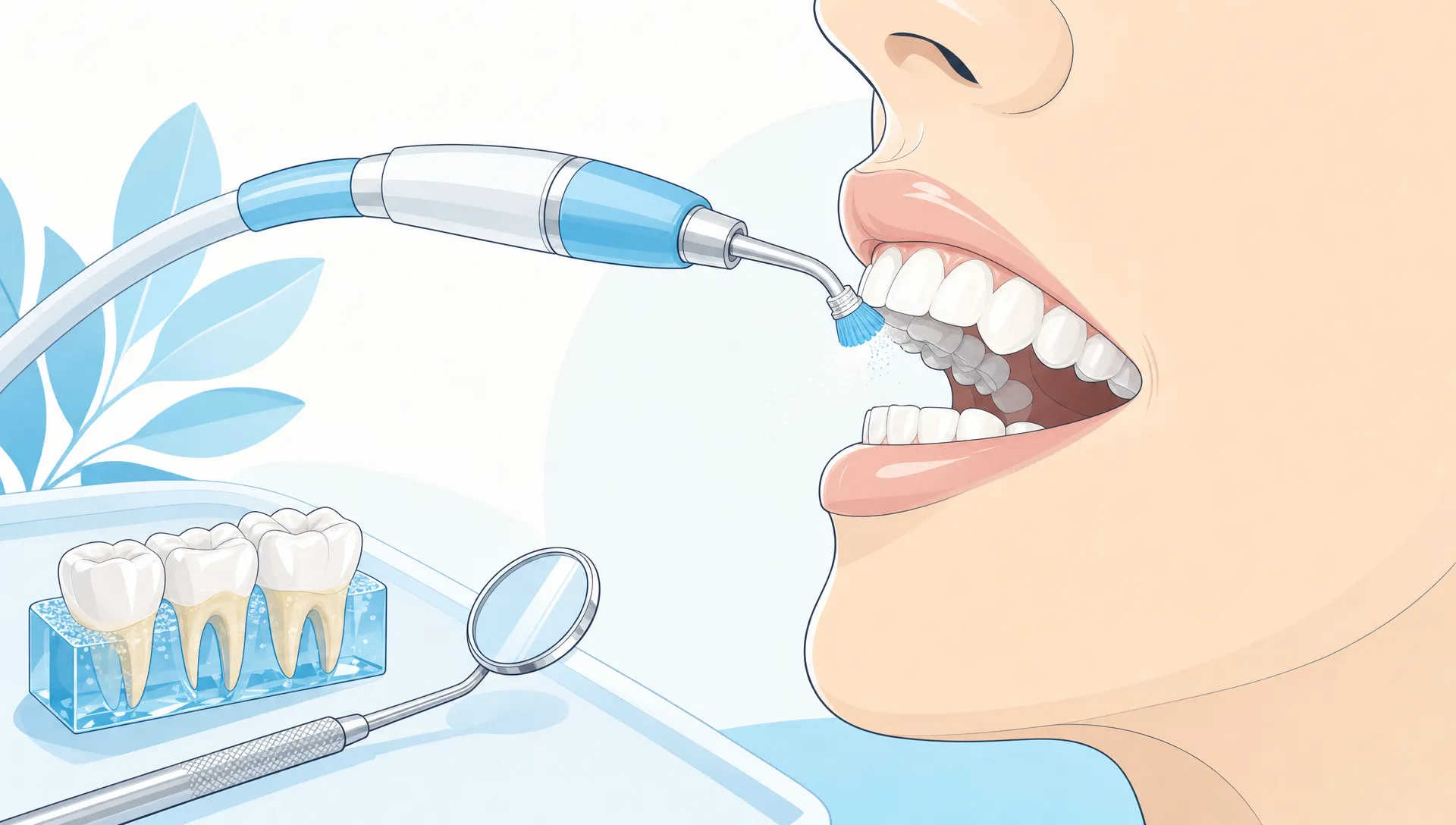
For many adults, a professional teeth clean is often discussed around every 6 to 12 months. Some people may need it more often, while others with very stable oral health may be advised to come less frequently. If you are searching for a teeth clean Melbourne because you are unsure whether you are due, the most useful answer is this: the right timing depends on your gums, teeth, home care, medical history and how quickly plaque hardens into tartar.
A professional clean, often called a scale and polish, is not just about making teeth feel smoother. It helps remove hardened deposits that brushing and flossing cannot remove at home. It also gives your dentist or hygienist a chance to check your gums and identify early signs of problems before they become more difficult to manage.
Teeth clean Melbourne: how often should you book?
A 6-monthly professional clean is a common starting point for many patients, but it is not a fixed rule for everyone. Your dentist or dental hygienist may suggest a different interval after assessing your mouth.
You may be advised to attend more regularly, such as every 3 to 6 months, if you have a history of gum disease, frequent tartar build-up, bleeding gums, crowded teeth, dry mouth, smoking or vaping habits, diabetes, orthodontic appliances or restorations that need close maintenance.
You may be advised that 12-monthly cleans are suitable if your gums are healthy, tartar build-up is minimal, you brush and clean between your teeth consistently, and your risk of tooth decay or gum disease is low.
The Australian Dental Association’s public guidance on dental check-ups explains that the timing of dental visits should be based on individual needs. This is important because two people with similar brushing habits can still develop plaque, tartar or gum inflammation at different rates.
What happens during a professional teeth clean?
A professional teeth clean usually involves removing plaque and calculus, which is hardened plaque also known as tartar. Plaque is a sticky film of bacteria that forms on teeth throughout the day. If it is not removed thoroughly, it can harden into calculus, particularly near the gumline and behind the lower front teeth.
During a scale and polish appointment, your dentist or hygienist may use hand instruments or an ultrasonic scaler to remove these deposits. The teeth may then be polished to smooth the surface and remove some external staining. Depending on your needs, your dental team may also discuss fluoride, gum measurements, home care techniques or other preventive advice.
A routine clean is different from more involved gum treatment. If you have periodontitis, which is a more advanced form of gum disease involving the supporting structures around the teeth, your dentist may recommend a different treatment plan. This may include deeper cleaning under the gums, additional appointments and ongoing gum maintenance.
If you are unsure whether a routine scale and polish is enough, a dental assessment can clarify what is happening and what options may be appropriate.
Why some people need cleans more often than others
The need for professional cleaning varies because oral health is influenced by more than brushing technique alone. Saliva flow, tooth position, gum health, diet, medications, lifestyle habits and previous dental history can all affect how quickly deposits build up.
For example, crowded teeth can be harder to clean thoroughly, especially between teeth. Dry mouth can increase the risk of plaque build-up and decay because saliva helps protect the teeth. Gum disease history may also mean closer monitoring is needed, even if your mouth currently feels comfortable.
The table below gives a general guide to intervals that may be discussed. It is not a substitute for advice from a dentist who has examined your teeth and gums.
| Situation | Cleaning interval that may be discussed | Why timing may vary |
|---|---|---|
| Healthy gums, low tartar build-up, low decay risk | Around 6 to 12 months | Maintenance and prevention may be the main focus |
| Tartar builds up quickly or gums bleed when brushing | Around 3 to 6 months | More frequent removal and gum monitoring may be helpful |
| History of gum disease | Around 3 to 4 months, depending on stability | Gum maintenance may need closer review |
| Braces, aligners, retainers, crowns, bridges or implants | Often 3 to 6 months, depending on cleaning access | Appliances and restorations can create areas that are harder to clean |
| Children and teenagers | Often 6 to 12 months, depending on risk | Diet, brushing habits and tooth development influence timing |
If you are already noticing symptoms such as tartar build-up, bleeding gums or persistent bad breath, you may find our guide on when to see a dental hygienist for professional cleaning helpful.
Signs you may need a professional clean sooner
You do not always need to wait until your next planned appointment if something has changed. Some signs may suggest plaque, tartar, gum inflammation or another dental issue that should be assessed.
Consider arranging a dental appointment if you notice:
- Bleeding when brushing or cleaning between your teeth
- Gums that look swollen, tender or receding
- Rough, hard deposits near the gumline
- Persistent bad breath or an unpleasant taste
- Sensitivity that is new or getting worse
- Food trapping between teeth more often than usual
- Teeth that feel loose or a change in your bite
- Pain, swelling or pus around a tooth or gum
These symptoms do not always mean there is a serious problem, but they are worth checking. If you have pain, swelling, a broken tooth or symptoms that are worsening, read our article on early warning signs of dental problems and contact a dentist for advice.
Is a clean the same as a check-up?
A professional clean and a dental check-up are often done at the same visit, but they are not exactly the same thing.
The clean focuses on removing plaque, calculus and some surface staining. The check-up is an examination of your teeth, gums, soft tissues, bite and existing dental work. Your dentist may also discuss symptoms, medical history and any changes since your last visit.
Dental X-rays are not necessarily taken at every appointment. They may be recommended when your dentist needs more information, such as checking between teeth, under fillings, around roots or near wisdom teeth. Whether X-rays are appropriate depends on your individual situation.
This is why booking a “clean” can sometimes become a broader preventive appointment. If an issue is found, your dentist can explain the findings, possible options, risks, benefits and alternatives before any treatment is planned.
How to make your professional clean last longer
A professional clean works best when it supports a consistent home routine. You cannot remove hardened calculus yourself once it forms, but you can reduce plaque build-up between visits.
The basics matter. Brush twice a day with fluoride toothpaste, clean between your teeth daily, and pay attention to areas that are easy to miss, such as the gumline and back molars. The ADA’s consumer resource on brushing teeth explains brushing technique in clear terms, while its information on flossing may help if you are unsure how to clean between teeth.
Your dentist or hygienist may also suggest interdental brushes, floss holders, a powered toothbrush, changes to your brushing angle or a different toothpaste depending on your needs. These suggestions should be personalised, because the right tool depends on the spaces between your teeth, your gums, dexterity and dental work.
For busy households, keeping things simple usually works better than trying to follow an unrealistic routine. If you are caring for children or teens as well as yourself, you may find our family dental care tips for Sydenham households useful.
What about children and teenagers?
Children and teenagers may also benefit from regular dental visits, but the timing should be based on their needs. A professional clean may be recommended if there is plaque or tartar build-up, staining, early signs of gum inflammation, orthodontic appliances or areas that are difficult to brush well.
For younger children, the appointment may focus heavily on prevention, brushing guidance, diet discussion and monitoring tooth development. Some children do not need extensive cleaning at every visit, while others may need additional support with plaque control.
Families may also wish to check eligibility for the Child Dental Benefits Schedule through Services Australia. Eligibility, covered services and claiming arrangements can change, so it is best to confirm current details directly with Services Australia or ask the clinic before booking.
Can you have a clean if your gums are sensitive?
Sensitive or bleeding gums are common reasons people delay dental care, but they are also reasons to seek advice. Gum tenderness may be linked to inflammation, brushing trauma, exposed root surfaces, decay, cracked teeth or other causes.
A professional clean may feel different from person to person. Some people experience temporary tenderness, bleeding or sensitivity afterwards, especially if there has been significant build-up or gum inflammation. These effects are usually discussed before and after the appointment, and your dental team can suggest ways to manage sensitivity if it occurs.
If you are anxious about dental appointments, let the clinic know when you book. My Smile Dental offers care for patients of different ages and circumstances in Sydenham, and your dentist can discuss comfort strategies that may be suitable. Sedation options are not needed or appropriate for every clean, but they can be discussed for some patients depending on medical history, anxiety level and the procedure involved.
How to decide when to book your next clean
If you cannot remember your last dental clean, or if your teeth feel rough near the gumline, it is reasonable to book an assessment rather than guessing. The appointment can help establish your current gum health and a suitable review interval.
A practical way to decide is to ask your dentist or hygienist three questions at your next visit:
- How healthy are my gums at the moment?
- How quickly do I build up calculus?
- What cleaning interval would you recommend for my risk level?
This gives you a personalised plan rather than relying on a general rule. It also helps avoid both under-attending and unnecessary appointments.
Frequently asked questions
Is a professional teeth clean necessary if I brush well? Even with careful brushing, some plaque can harden into calculus in areas that are difficult to reach. A dentist or hygienist can assess whether professional cleaning is needed and how often it may be appropriate.
Does a scale and polish whiten teeth? A scale and polish can remove some surface staining, so teeth may look cleaner or brighter. It does not change the natural internal colour of the teeth in the same way as teeth whitening treatment.
How often should I book a clean if I have gum disease? People with a history of gum disease may need more frequent maintenance, sometimes every 3 to 4 months. The timing depends on gum stability, plaque control, medical factors and your dentist’s assessment.
Can I book a clean while pregnant? Many people continue routine dental care during pregnancy, but it is important to tell your dentist that you are pregnant and mention any medical advice you have received. Pregnancy can affect gum health, so assessment and preventive care may be helpful.
What if I feel nervous about dental cleaning? Tell the dental team before your appointment. They can explain what is involved, pause when needed and discuss suitable comfort options based on your health history and the type of care required.
Booking a professional teeth clean in Sydenham
If you are due for a professional teeth clean in Melbourne’s north-west, a dental examination can help determine your current gum health and which cleaning interval may suit your needs.
To discuss your concerns, you can book an appointment with My Smile Dental in Sydenham. Your dentist can assess your oral health, explain any findings and outline the potential benefits, limitations and alternatives before recommending care.
Disclaimer
The information provided on this website is for general informational and educational purposes only. It is not intended to replace professional dental advice, diagnosis or treatment. Dental needs and treatment outcomes vary between individuals. Always seek advice from a qualified dental practitioner regarding your specific circumstances before making decisions about your oral health or treatment. A consultation and clinical assessment are required to determine which treatment options may be suitable for you. All dental procedures carry potential risks and benefits, which will be discussed with you before treatment.