
What to Expect at Your First Sydenham Dental Clinic Visit
19 August 2026 | Children's Dentistry, General Dentistry, Preventative Dentistry
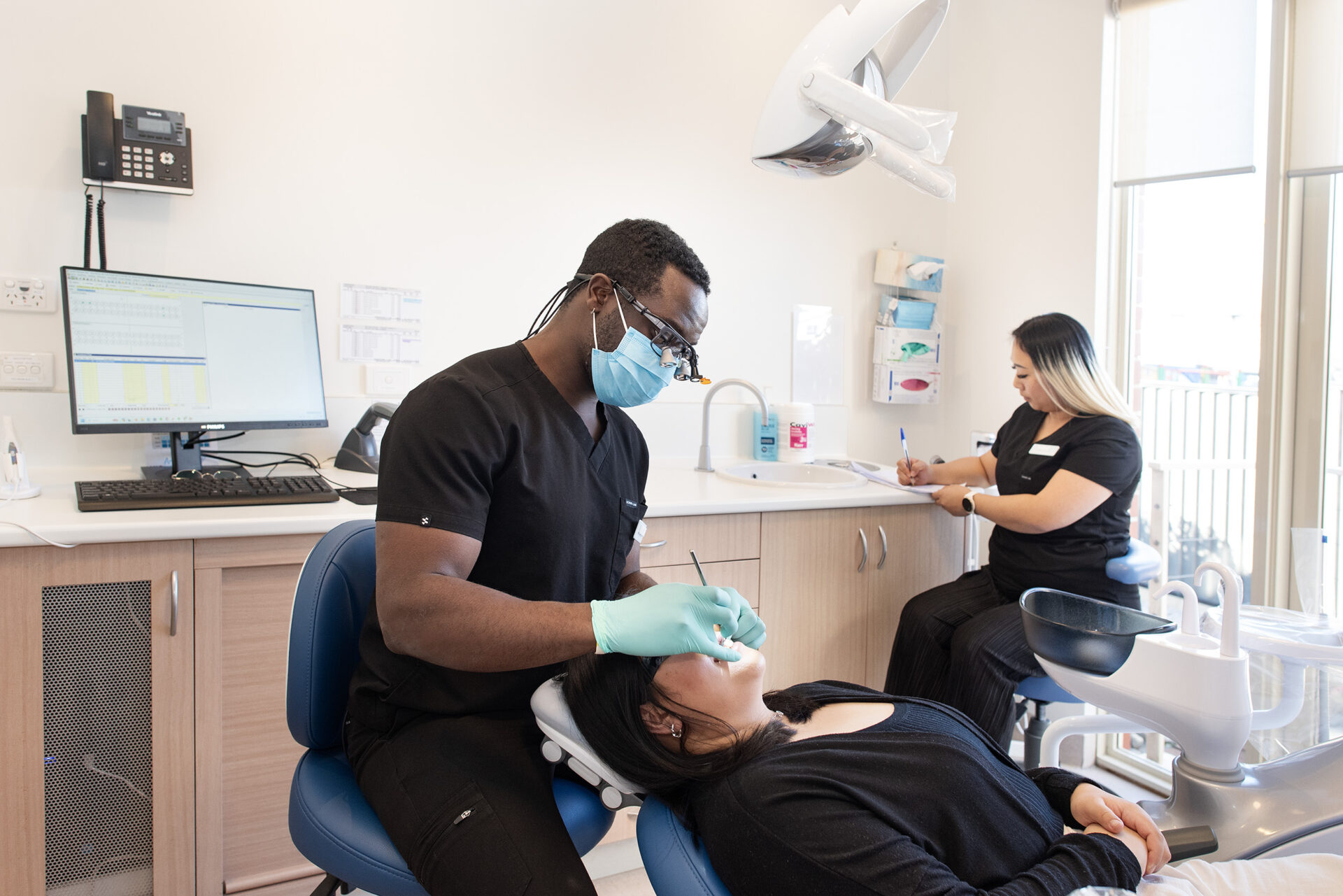
Your first appointment at a Sydenham dental clinic is usually about understanding your oral health, your concerns and what may be suitable for you. It should not feel like being rushed into treatment. Whether you are booking for a routine check, tooth pain, bleeding gums, a child’s visit or a cosmetic concern, the first visit gives your dentist a chance to assess your mouth properly and explain the next steps in plain language.
At My Smile Dental in Sydenham, Melbourne, VIC, patients often include local families, young adults, professionals and people from nearby north-west Melbourne suburbs who want clear advice before making decisions about dental care. Your appointment may vary depending on why you are visiting, but the sections below explain what commonly happens and how you can prepare.
What a first Sydenham dental clinic visit usually includes
A first dental visit is not one single standard appointment for everyone. A person attending with a broken tooth may need a different approach from someone who wants a general check-up or Invisalign consultation. Still, most first visits follow a similar structure: information gathering, examination, discussion and planning.
| Part of the visit | What may happen | Why it matters |
|---|---|---|
| New patient details | You may complete forms about your health, medications and dental history | This helps the dental team understand factors that may affect your care |
| Conversation with the dentist | You can explain symptoms, goals, anxiety, previous experiences or questions | Your appointment can be guided by what matters most to you |
| Dental examination | The dentist checks teeth, gums, existing dental work, bite and soft tissues | This helps identify signs of decay, gum issues, wear, cracks or other concerns |
| X-rays if needed | X-rays may be recommended when a dentist needs information not visible in the mouth | They can help assess areas such as between teeth, roots, bone levels or wisdom teeth |
| Cleaning advice or treatment | A clean may be done or booked separately if appropriate | Professional cleaning and home care advice can support gum and tooth health |
| Next steps | Your dentist explains findings, options, costs to consider and timing | You can make an informed decision rather than guessing what is needed |
If you are unsure whether your appointment should be general, cosmetic or urgent, it may help to read this guide to general, cosmetic and emergency dental services before booking.
Before you arrive: what to bring and mention
Allow a little extra time before your first appointment, especially if you need to complete forms. If you have dental anxiety, a sensitive gag reflex or difficulty keeping your mouth open, it is worth mentioning this when booking or when you arrive. Dental teams can often adjust the pace of the appointment, explain what is happening before they proceed and take short pauses if needed.
Helpful details to bring or share include:
- A list of current medications, supplements and allergies
- Medical conditions such as diabetes, heart conditions, pregnancy or bleeding disorders
- Details of recent surgery, hospital treatment or major illness
- Previous dental X-rays or records if you have them available
- Your private health fund card, if you have one
- Medicare details for children if you want to ask about Child Dental Benefits Schedule eligibility
Some medical conditions and medications can affect dental treatment, healing, bleeding risk or the type of anaesthetic that may be suitable. This does not mean you cannot have dental care. It simply means your dentist needs the right information before recommending treatment.
The first conversation with your dentist
Your dentist will usually start by asking why you have come in and whether anything is bothering you. This is your chance to mention symptoms such as toothache, sensitivity, bleeding gums, bad breath, jaw discomfort, a chipped tooth or concerns about the appearance of your teeth.
If you are attending for cosmetic dentistry, such as whitening, veneers or Invisalign, the first conversation still begins with oral health. Teeth and gums need to be assessed before cosmetic treatment can be considered. Suitability depends on factors such as decay, gum health, enamel condition, bite, previous dental work and your goals.
If you feel nervous, say so early. Many people delay dental visits because of past experiences, embarrassment or fear of discomfort. A calm discussion helps the dentist understand what you need. Depending on the appointment and your health history, options such as additional explanation, breaks during treatment or sedation dentistry may be discussed. Sedation is not suitable for everyone and requires assessment first.
What your dental examination may involve
During the examination, your dentist looks at more than one tooth at a time. They are checking the overall condition of your mouth and how different areas relate to each other.
This may include checking:
- Teeth for decay, cracks, wear, chips, staining or old fillings that need review
- Gums for bleeding, swelling, recession or signs of gum disease
- Soft tissues such as the tongue, cheeks, lips, palate and floor of the mouth
- Bite and jaw movement, especially if you grind, clench or have jaw discomfort
- Existing dental work such as crowns, bridges, implants, veneers, fillings or dentures
The same broad elements are common at many clinics, and this overview of what happens at your first dentist check-up is a helpful general reference. Your own appointment should still be tailored to your oral health, symptoms and individual circumstances.
Your dentist may use a small mirror, dental probe and light during the examination. If any area is sensitive, let them know. Sensitivity can give useful information, but you should feel able to speak up if you need a pause.
Will you need dental X-rays?
Not everyone needs X-rays at a first visit. They may be recommended if your dentist needs to see areas that cannot be assessed properly by looking in the mouth alone. For example, X-rays can help check between teeth, under existing fillings, around tooth roots, bone levels, wisdom teeth position or signs of infection.
Dental X-rays involve radiation exposure, so they should only be taken when clinically justified. If your dentist recommends them, you can ask why they are needed, what information they may provide and whether previous images are still useful.
For children, X-rays are also considered based on individual need. A dentist may weigh factors such as age, symptoms, tooth development, decay risk and whether the information will affect care decisions.
Cleaning, prevention advice and home care
A professional clean may happen during the first appointment, but it is not automatic. It depends on your gum health, tartar build-up, symptoms, time available and whether other issues need attention first. In some cases, the dentist may recommend a separate hygiene appointment, especially if there is significant tartar or gum inflammation.
A clean, often called a scale and polish, removes hardened plaque known as tartar that cannot be brushed away at home. Your dentist or hygienist may also give advice about brushing technique, interdental cleaning, fluoride toothpaste, diet, mouthguards or managing sensitivity. General oral health information from healthdirect’s dental care advice can also be useful alongside personalised guidance from your dentist.
If you are wondering whether you need a hygiene visit, this article explains when to see a dental hygienist for professional cleaning and what signs may suggest it is worth arranging an appointment.
If your first visit is because of dental pain or an emergency
If you are booking because of toothache, swelling, a broken tooth, trauma or a lost filling, the appointment may focus on the urgent problem first rather than a full routine check. The goal is to assess the likely cause, discuss appropriate options and explain what may be needed next.
Common urgent dental concerns include:
- Persistent or severe toothache
- Facial or gum swelling
- A cracked, broken or knocked tooth
- Pain when biting
- Wisdom tooth pain
- A lost crown, filling or dental appliance
- Bleeding that does not settle after dental trauma
Some symptoms should be assessed promptly. If swelling affects breathing or swallowing, if you feel very unwell with fever or if there has been significant facial trauma, seek urgent medical care. For less severe but still concerning dental symptoms, contact a dental clinic for advice about timing. You can also review these early warning signs of dental problems if you are unsure whether a symptom needs attention.
Discussing findings and treatment options
After the examination, your dentist should explain what they found in a way you can understand. This may include whether any teeth need monitoring, whether treatment is recommended, what alternatives may be available and what could happen if you choose to delay or avoid treatment.
A clear treatment discussion may cover:
- The likely cause of your concern, if this can be assessed at the appointment
- Whether the issue is urgent, routine or cosmetic
- Treatment options that may be suitable for your circumstances
- Possible benefits, limitations and risks of each option
- Estimated number of appointments and general timing
- Costs, health fund claiming and available payment options
- What home care or monitoring may be recommended
All dental procedures carry potential risks and benefits. Results, recovery and treatment experiences vary between patients. A clinical examination is needed before your dentist can recommend what may be appropriate for you.
If no treatment is needed, your dentist may simply recommend a review interval and preventive care. If treatment is recommended, you should have the opportunity to ask questions before deciding how to proceed.
First visits for children and families
For children, a first dental visit is often about familiarity, prevention and early checks. The dentist may count teeth, check tooth development, look at gums, discuss brushing and talk through habits such as thumb sucking, dummy use, snacking or sports mouthguards where relevant.
Parents or carers can help by keeping the language simple and calm before the visit. Avoid using dental appointments as a threat, and try not to promise that nothing will feel unusual. A more realistic message is that the dentist will look at the teeth, explain what they are doing and answer questions.
For busy Sydenham families, it can be helpful to book routine visits together where possible, bring any relevant medical information and write down questions beforehand. If your child may be eligible for Medicare funded dental benefits, bring their Medicare details so eligibility and claiming options can be discussed.
If you are considering cosmetic dental treatment
Many adults book their first visit because they want to ask about tooth colour, crowding, spacing, worn edges or old dental work. This is a reasonable reason to attend, but cosmetic planning should start with health and function.
Before options such as whitening, veneers or Invisalign are discussed in detail, your dentist may need to assess tooth decay, gum health, enamel, bite forces and existing restorations. For example, whitening may not change the colour of fillings or crowns, and aligner treatment may not be suitable for every bite concern. Veneers and crowns involve changes to tooth structure, so the potential benefits, risks and alternatives should be considered carefully.
A first consultation can help clarify which options may be worth exploring and which may not be appropriate for your situation.
What happens after the appointment?
At the end of your first visit, you should leave with a clearer understanding of your oral health and any recommended next steps. This may include a preventive care plan, a follow-up hygiene appointment, treatment for a specific issue, monitoring of an area or referral if more specialised care is needed.
Your review interval should be based on your individual risk. Some people are advised to return in six months, while others may need a different schedule because of gum disease, decay risk, medical conditions, orthodontic treatment, dry mouth or other factors. If you are unsure why a certain interval is recommended, ask your dentist to explain the reasoning.
A first dental appointment is not an exam you pass or fail. It is a starting point for understanding what is happening in your mouth and making informed choices about care.
Frequently Asked Questions
How long does a first dental visit usually take? Appointment length varies depending on the reason for your visit, whether X-rays are needed and whether cleaning or treatment is involved. If you have a specific concern or need extra time because of anxiety, mention this when booking.
Will I have a clean at my first appointment? You may have a clean if it is suitable and there is enough time. Sometimes cleaning is booked separately, especially if the first visit focuses on pain, a broken tooth or a more detailed assessment.
Do I need X-rays at my first dental check-up? Not always. X-rays are usually recommended only when they are likely to provide useful information that cannot be seen during the visual examination.
What if I feel embarrassed about my teeth? Dental teams see a wide range of oral health concerns. You should be able to discuss your situation without judgement. The aim of the appointment is to understand what is happening and explain suitable options.
Can I discuss Invisalign or teeth whitening at my first visit? Yes, you can raise cosmetic concerns at your first appointment. Your dentist will usually assess your teeth and gums first, then explain whether further cosmetic consultation or treatment planning may be appropriate.
When should I book sooner rather than waiting for a routine check? Consider arranging prompt dental advice if you have ongoing toothache, swelling, dental trauma, a broken tooth, pain when biting or bleeding that does not settle after an injury. Seek urgent medical care if swelling affects breathing or swallowing.
Planning your first visit in Sydenham
If you are preparing for your first appointment at a Sydenham dental clinic, a little preparation can make the visit feel more straightforward. Bring relevant health information, share your concerns early and ask questions if anything is unclear.
A dental examination can help determine the cause of your symptoms and which options may be appropriate. To discuss your concerns, you can contact My Smile Dental to arrange an assessment in Sydenham.
Disclaimer
The information provided on this website is for general informational and educational purposes only. It is not intended to replace professional dental advice, diagnosis or treatment. Dental needs and treatment outcomes vary between individuals. Always seek advice from a qualified dental practitioner regarding your specific circumstances before making decisions about your oral health or treatment. A consultation and clinical assessment are required to determine which treatment options may be suitable for you. All dental procedures carry potential risks and benefits, which will be discussed with you before treatment.