How to Prepare for an Emergency Dental Appointment
17 September 2026 | Blog, General Dentistry, Melbourne Dentist
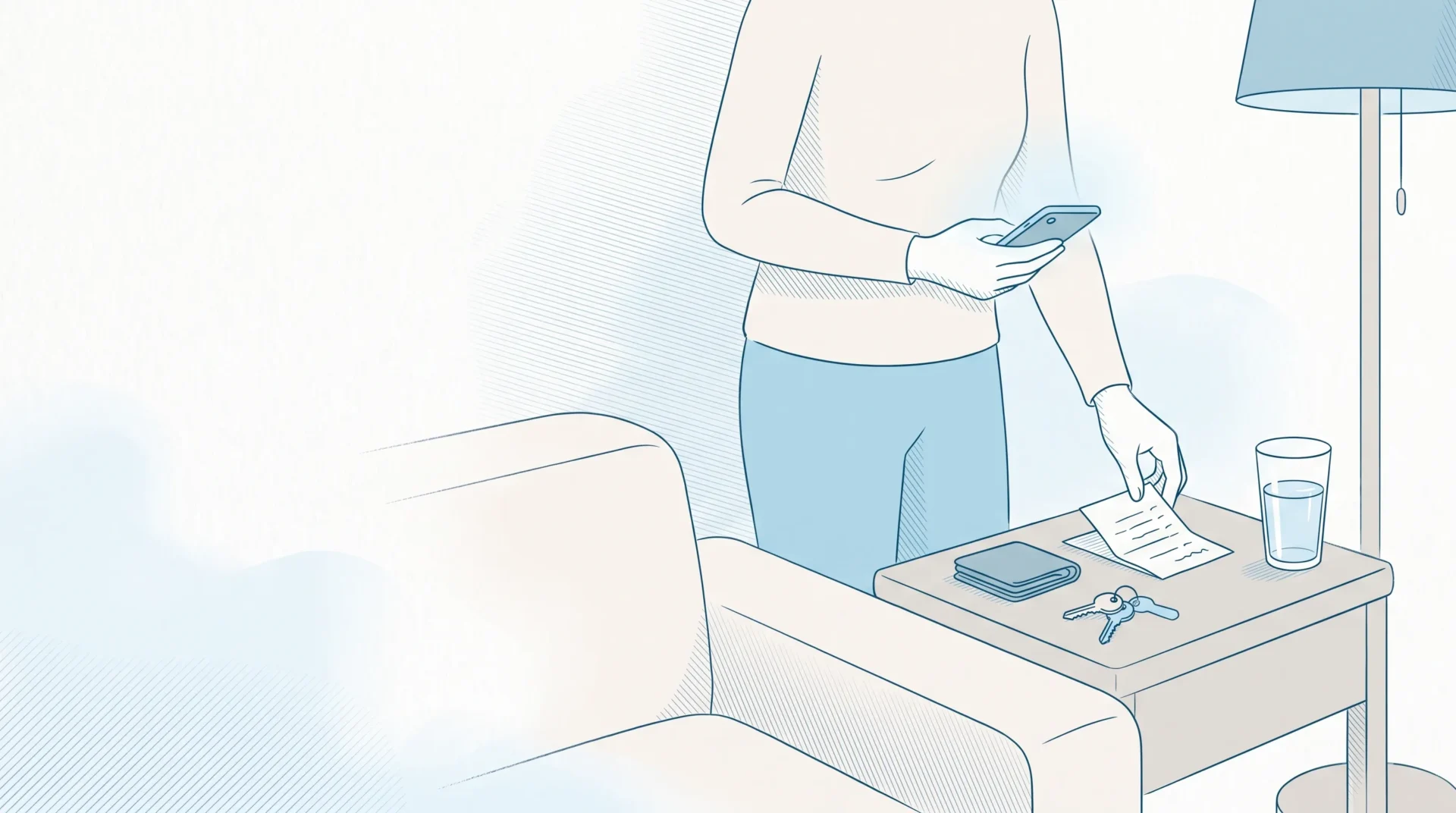
Dental pain, swelling or a broken tooth can make it hard to think clearly. If you have searched for a dentist near me available now, the next step is to prepare for the appointment in a way that helps your dentist understand what has happened, what you are feeling and what care may be appropriate. A few simple notes and the right items can make the visit more efficient, especially if you are attending from Sydenham or nearby north-west Melbourne suburbs.
An emergency dental appointment is usually focused on assessing the problem, relieving immediate concerns where possible and explaining suitable next steps. It may not always involve completing definitive treatment on the same day, as this depends on the diagnosis, your oral health, your medical history and the treatment options available.
Start with these checks
Before you leave home, contact the clinic if you can. Online booking can be convenient for some visits, but a phone call is often useful for dental pain, swelling, trauma or bleeding because the team can ask screening questions and advise what to bring.
When you call, describe the main issue in plain language. Mention when it started, whether it is getting worse and if you have swelling, fever, difficulty opening your mouth, a knocked-out tooth or an injury to your face or jaw. This does not replace a dental examination, but it helps the clinic understand the likely level of urgency.
A search for dentist near me available now can bring up many options, but practical details matter. Check the clinic location, appointment availability, parking or public transport access, payment options and whether the clinic provides the type of care you may need. If you are unsure how emergency care differs from other visits, My Smile Dental has a helpful overview of general, cosmetic and emergency dental services.
What counts as a dental emergency?
A dental emergency is a problem that may need prompt professional assessment because of pain, infection, injury, bleeding or the risk of further damage. Common reasons people seek emergency dental care include toothache, a cracked or chipped tooth, a lost filling or crown, swelling around the gum or face, wisdom tooth pain, dental trauma and a knocked-out adult tooth.
Not every uncomfortable tooth needs same-day treatment, but some symptoms should be assessed sooner rather than later. These include swelling that is spreading, a fever with dental pain, difficulty swallowing, uncontrolled bleeding or trauma involving the jaw, lips or face.
If you are experiencing facial swelling, breathing difficulty, trouble swallowing, heavy bleeding or a serious injury, urgent medical care may be more appropriate than waiting for a dental appointment. In Australia, call 000 for emergencies or attend a hospital emergency department if symptoms are severe or potentially life-threatening.
Before you leave home: information to gather
Write down the details while they are fresh. This is useful if pain, stress or lack of sleep makes it harder to remember during the appointment.
Try to note:
- Where the pain is located, such as upper left, lower right or one specific tooth
- When the symptoms started and whether they are constant or come and go
- What triggers the pain, such as cold drinks, biting, lying down or sweet foods
- Any swelling, bad taste, bleeding, discharge, fever or difficulty opening your mouth
- Any recent dental treatment, injury, grinding, chewing on something hard or lost restoration
- Medicines you have taken for pain and when you last took them
Also bring a list of your regular medications, allergies and medical conditions. This includes blood thinners, diabetes medicines, heart conditions, pregnancy, past reactions to local anaesthetic or any history that may affect dental treatment. Your dentist needs this information before recommending treatment, prescribing medicines or discussing sedation options.
What to do for common dental emergencies before your appointment
The safest home steps depend on the problem. These measures are not a substitute for dental care, but they may help you manage the situation until you are assessed.
Toothache or dental swelling
Rinse gently with warm salty water if it feels comfortable. You can use a cold compress on the outside of the face for swelling. Take pain relief only as directed on the packet or by a doctor, pharmacist or dentist, especially if you have medical conditions, are pregnant or take other medicines.
Avoid placing aspirin directly on the gum or tooth, as this can irritate or burn the soft tissue. Avoid applying heat to facial swelling unless a clinician has advised it, as heat may worsen some infections.
Chipped, cracked or broken tooth
If you can find the tooth fragment, place it in a clean container and bring it with you. Rinse your mouth gently with water. If there is bleeding from the lip, cheek or gum, apply gentle pressure with clean gauze or a clean cloth.
Try not to chew on the affected side. If the tooth has a sharp edge, a pharmacist may be able to suggest temporary dental wax until you are seen. Do not use household glue or attempt to repair the tooth yourself.
Knocked-out adult tooth
A knocked-out adult tooth needs urgent dental advice. Hold the tooth by the crown, which is the white part usually visible in the mouth. Avoid touching the root. If it is dirty, gently rinse it in milk or saline if available. Do not scrub it.
If you can safely place the tooth back into the socket, do so and bite gently on clean gauze. If that is not possible, keep it moist in milk or saliva and seek urgent dental care. Do not reinsert a baby tooth, as this can damage the developing adult tooth underneath. Healthdirect provides useful public health information about dental emergencies, including when to seek urgent care.
What to bring to an emergency dental appointment
Being prepared can help your dentist assess your situation and explain your options clearly.Use the table below as a quick checklist before leaving home.
| Item to bring | Why it may help |
|---|---|
| Photo ID and contact details | Helps with patient records and communication |
| Private health insurance card, if applicable | Allows the clinic to check claiming options where available |
| Medicare details for eligible children | May be relevant for the Child Dental Benefits Schedule if applicable |
| List of medicines, allergies and medical conditions | Helps your dentist consider safety, prescribing and treatment suitability |
| Previous dental X-rays or records, if you have them | May help compare past and current dental findings |
| Broken tooth piece, crown, denture or appliance | Can help the dentist assess repair or replacement options |
| A support person, if needed | May be helpful for anxious patients, children or patients with mobility needs |
What may happen during the appointment
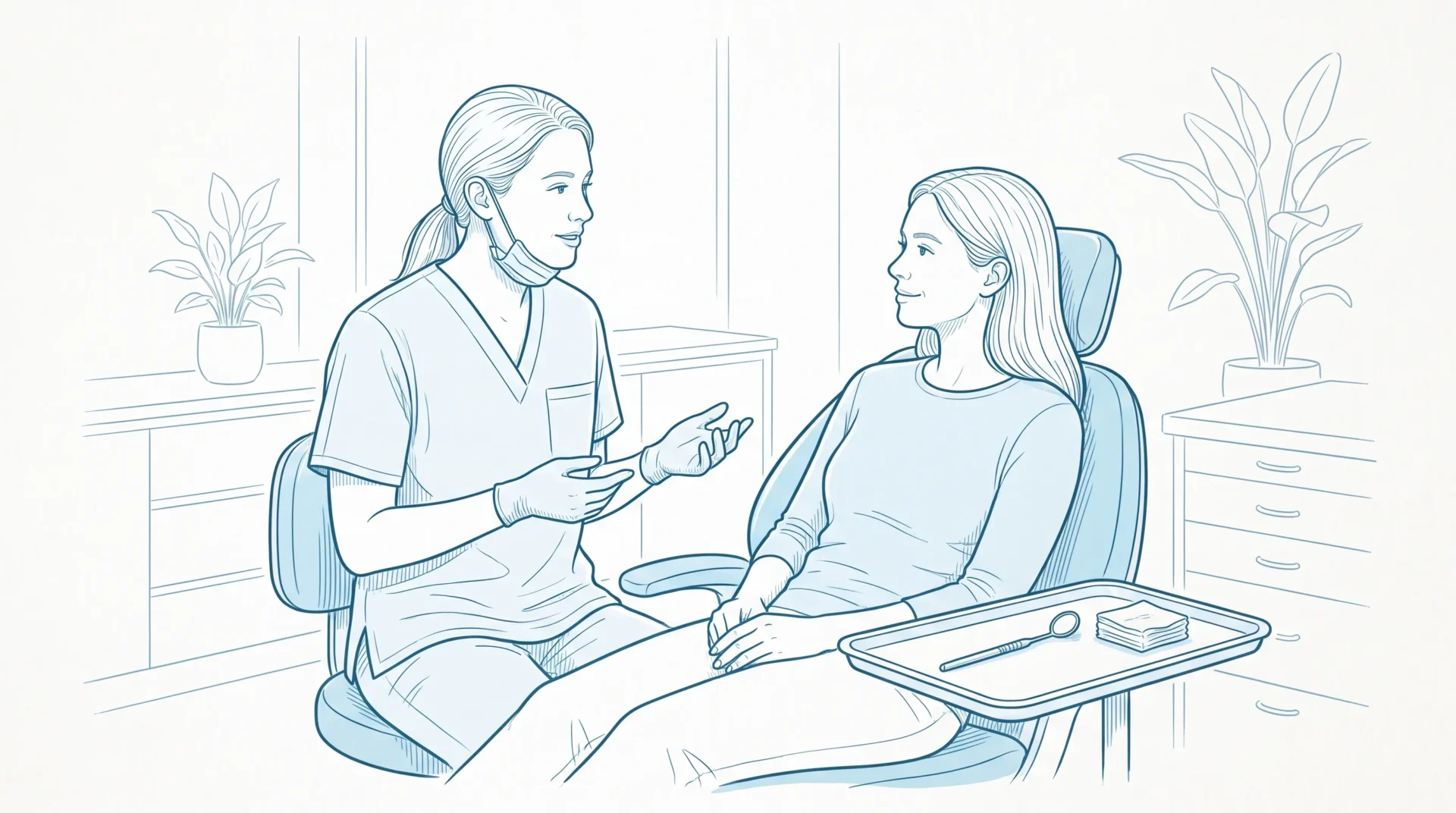
An emergency dental appointment usually starts with questions about your symptoms, medical history and what happened. Your dentist may examine the tooth, gums, bite, jaw and surrounding soft tissues. Dental X-rays may be recommended if they are needed to assess decay, infection, a crack, bone support, wisdom teeth or injury. X-rays are only taken when clinically justified.
Treatment depends on the diagnosis. Possible emergency care may include smoothing a sharp edge, placing a temporary or definitive filling, re-cementing a crown where suitable, managing infection, starting root canal treatment, removing a tooth if appropriate or providing a plan for further care. Antibiotics are not needed for every toothache and are usually considered only when there are signs that they may be clinically appropriate.
If anxiety is a concern, tell the clinic early. A dentist can discuss communication preferences, breaks during treatment and whether sedation options may be suitable for your circumstances. Suitability depends on your health, the planned procedure and clinical assessment. For patients who feel nervous about attending, this guide to finding gentle dental care in Sydenham may also be useful.
Costs, consent and treatment choices
Emergency dental care can vary in cost because the cause and treatment plan are not always clear until after an examination. Ask what the initial appointment includes, whether X-rays may be needed and what fees apply before treatment begins. If you have private health insurance, bring your card and ask whether on-the-spot claiming is available.
If you searched for dentist near me available now because you need urgent pain relief, it is still reasonable to ask questions before agreeing to treatment. Your dentist should explain the likely diagnosis, suitable options, potential benefits, possible risks and alternatives. You can also ask whether the aim of the visit is temporary relief, definitive treatment or a staged plan.
All dental procedures carry potential risks and benefits. Treatment outcomes, recovery and comfort vary between patients. A clinical assessment is needed before a dentist can recommend what may be appropriate for your individual circumstances.
If your appointment is after work or on a weekend
Dental problems do not always happen during standard business hours. If your concern occurs late in the day or on a Saturday, check whether the clinic can see you, whether emergency appointments are available and what to do if your symptoms worsen before the visit.
Patients in Sydenham, Hillside, Taylors Lakes, Keilor Downs, St Albans and nearby suburbs may also want to consider travel time, parking and whether they need someone to drive them home. This is especially relevant if sedation is discussed or if strong discomfort could make driving unsafe.
If you are comparing weekend options, focus on the nature of your symptoms rather than opening hours alone. My Smile Dental also has guidance on finding a dentist open on Saturday in Sydenham if weekend access is part of your planning.
Preparing children, anxious patients and older adults
For children, keep the explanation simple and calm. Tell them the dentist will look at the sore or broken tooth and explain what can be done. Bring any relevant Medicare details, child dental benefit information if applicable, a list of medicines and a comfort item if it helps them settle.
For anxious patients, it can help to write down concerns before the appointment. You might want to ask about stopping signals, breaks, anaesthetic options and what will happen before any treatment begins. Feeling nervous about dental treatment is common and should be discussed without embarrassment.
For older adults or people with complex medical histories, bring a current medication list, details of any recent hospital care and the name of a GP or specialist if relevant. This is particularly important for people taking blood thinners, medicines that affect bone healing or medicines for diabetes, heart conditions or immune system conditions.
After the appointment: what to clarify before you leave
Before leaving, make sure you understand the diagnosis as explained to you, what treatment was completed and what still needs attention. Ask how to care for the area, what to eat or avoid, when to take any medicines and what symptoms should prompt you to call the clinic or seek urgent care.
If the appointment involved temporary treatment, ask how long it is expected to last and when the next visit should be arranged. Temporary fillings, dressings or re-cemented restorations may not be designed for long-term use, so follow-up care may be important depending on your situation.
Keep any written instructions somewhere easy to find. If symptoms change, swelling increases or pain becomes difficult to manage, contact the dental clinic or seek medical advice based on the severity of symptoms.
Frequently Asked Questions
Should I eat before an emergency dental appointment? It depends on your symptoms and the likely treatment. If sedation may be discussed, the clinic may give specific instructions about eating and drinking. If you are unsure, ask when you call.
Can an emergency dentist treat the problem on the same day? Sometimes, but not always. Same-day treatment depends on the diagnosis, your medical history, appointment time, the complexity of the issue and which treatment is appropriate after assessment.
What if I cannot tell which tooth hurts? This is common. Referred pain can make it difficult to identify the exact tooth. Your dentist can assess your symptoms, examine the area and may recommend X-rays or other tests where clinically appropriate.
Is swelling always a dental emergency? Swelling should be taken seriously, especially if it is spreading or linked with fever, difficulty swallowing, difficulty breathing or feeling unwell. Severe symptoms may require urgent medical care rather than waiting for a dental appointment.
What should I do if I searched for dentist near me available now but symptoms are severe? If you have breathing difficulty, trouble swallowing, uncontrolled bleeding, major facial trauma or feel seriously unwell, call 000 or attend a hospital emergency department. For dental pain, broken teeth or localised swelling, contact a dental clinic for advice and assessment.
Need an emergency dental assessment in Sydenham?
If you have dental pain, swelling, a broken tooth or another urgent concern, a dental examination can help determine the cause and which options may be appropriate. Contact My Smile Dental in Sydenham to arrange an assessment and let the team know if your symptoms involve swelling, trauma, fever or difficulty swallowing.
If your symptoms are severe or potentially life-threatening, seek urgent medical care first. For other dental concerns, your dentist can assess your oral health, explain the potential benefits, risks and alternatives and help you decide on a suitable next step.
Disclaimer
The information provided on this website is for general informational and educational purposes only. It is not intended to replace professional dental advice, diagnosis or treatment. Dental needs and treatment outcomes vary between individuals. Always seek advice from a qualified dental practitioner regarding your specific circumstances before making decisions about your oral health or treatment. A consultation and clinical assessment are required to determine which treatment options may be suitable for you. All dental procedures carry potential risks and benefits, which will be discussed with you before treatment.