
Dental Fillings: When They May Be Recommended
14 September 2026 | General Dentistry, Preventative Dentistry, Tooth Decay
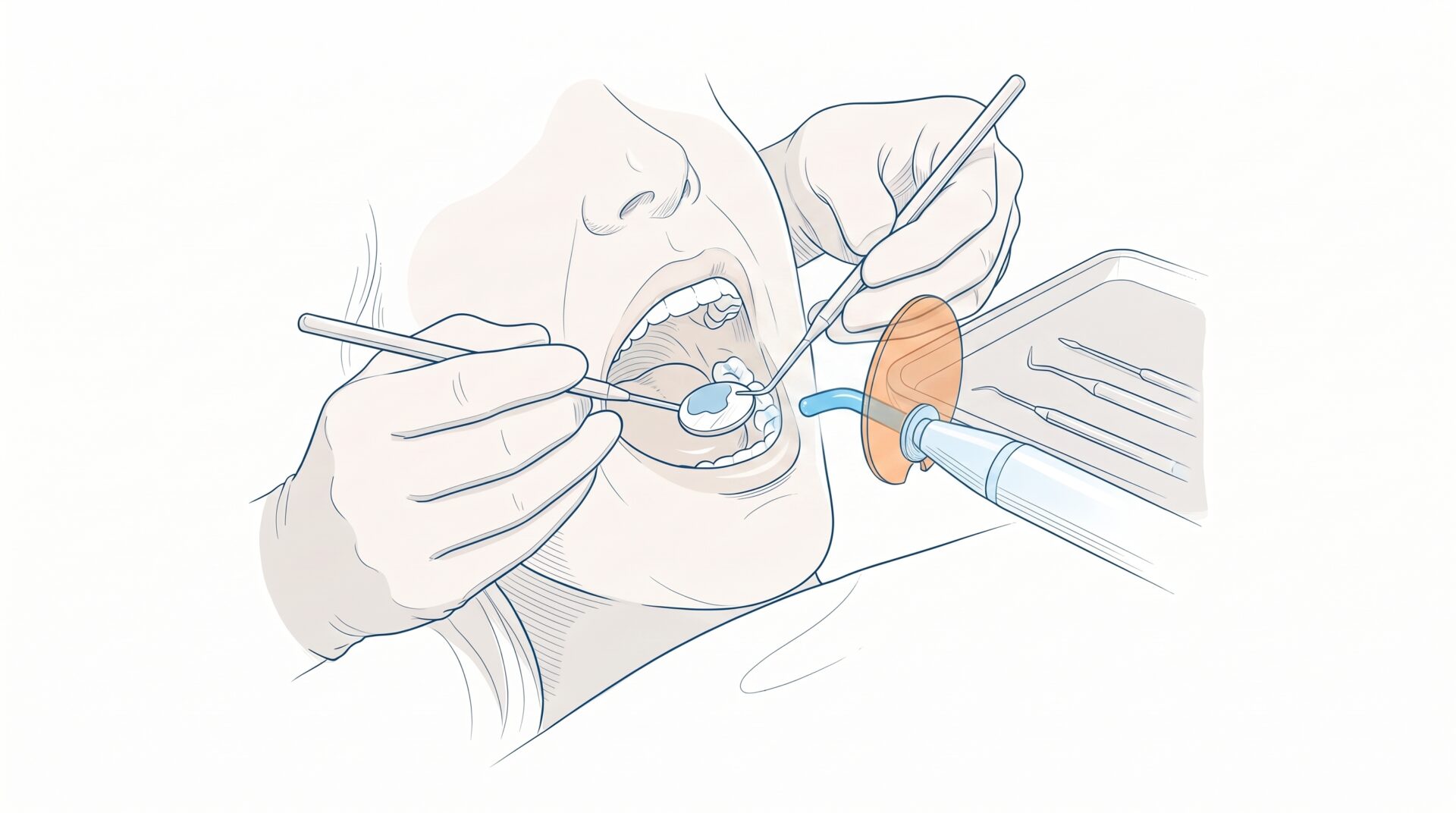
A dental filling may be recommended when a tooth has a small to moderate area of decay, a minor chip or an old filling that is no longer sealing properly. If you have searched for a dentist for fillings near me, you are probably trying to work out whether a sore, sensitive or damaged tooth needs attention and what the appointment may involve.
Fillings are one of the more common general dental treatments, but they are not the right option for every tooth. Your dentist needs to assess the tooth, check how much healthy structure remains and consider your symptoms before recommending whether a filling, another treatment or monitoring is more appropriate.
What is a dental filling?
A dental filling is a material placed into a prepared area of a tooth to help restore its shape, protect exposed tooth structure and support normal chewing. It is most often used after decay has been removed, but it may also be considered for some small chips, worn edges or defects in an existing filling.
Tooth decay happens when bacteria in plaque produce acids that soften and damage tooth enamel. Healthdirect explains that tooth decay may cause toothache, sensitivity, visible holes or changes in tooth colour, although early decay may not always be obvious to the person affected.
A filling does not make a tooth immune from future problems. The tooth still needs regular brushing, flossing, dental checks and sensible dietary habits. The edge where the filling meets the tooth also needs to remain clean, because decay can develop around or under older fillings.
When dental fillings may be recommended
Your dentist may recommend a filling when the affected part of the tooth is limited enough that the tooth can still be predictably restored with filling material. The exact recommendation depends on the size and location of the problem, your bite, your oral hygiene, your medical history and whether the nerve inside the tooth has been affected.
Common situations include:
- A small to moderate cavity: A filling may be used after softened, decayed tooth structure has been removed.
- A chipped or worn area: Some minor chips or worn surfaces may be restored with filling material if enough healthy tooth remains.
- A leaking or broken old filling: An old restoration may need replacement if it has cracked, lifted or allowed decay to form around it.
- Sensitivity from a small defect: If exposed dentine is contributing to sensitivity, your dentist may assess whether a filling or another approach is suitable.
If you are looking for a dentist for fillings near me because one tooth has started reacting to cold drinks, sweet foods or biting pressure, it is sensible to arrange an examination rather than guessing the cause. Sensitivity can come from decay, gum recession, enamel wear, a cracked tooth or other issues, so the treatment can vary.
Looking for a dentist for fillings near me? What the assessment usually involves
When you attend an appointment for a possible filling, the first step is not the filling itself. Your dentist will usually ask about your symptoms, when they started, what triggers them and whether the tooth has had previous treatment. This helps build a clearer picture of what may be happening.
The clinical examination may include looking at the tooth, checking the surrounding gums, gently testing the bite and assessing existing fillings. Dental X-rays may be recommended when your dentist needs to see areas that are not visible during a standard examination, such as between teeth or under an existing restoration.
After the assessment, your dentist can explain the findings and discuss suitable options. These may include monitoring, preventive care, a filling, a crown, root canal treatment, extraction or referral, depending on the condition of the tooth. A search for a dentist for fillings near me often starts with wanting a simple filling, but the right option depends on what the examination shows.
Filling materials your dentist may discuss
Several materials can be used for dental fillings. The choice depends on where the tooth is in the mouth, how much biting force it takes, the size of the cavity, aesthetic preferences, moisture control during treatment and your individual circumstances.
| Filling material | Where it may be considered | Points to discuss with your dentist |
|---|---|---|
| Composite resin | Front teeth and many back teeth | Tooth-coloured, placed directly, may need replacement over time |
| Glass ionomer cement | Some smaller areas, children’s teeth or areas near the gumline | Releases fluoride, usually not as wear-resistant as composite in heavy bite areas |
| Amalgam | Some back teeth, depending on circumstances | Durable in certain situations, silver coloured and less commonly chosen for visible areas |
| Indirect restorations | Larger defects where a direct filling may not be suitable | Made outside the mouth, may require additional planning and appointments |
All filling materials have benefits and limitations. Your dentist can explain which material may be suitable for your tooth and why, including expected maintenance and possible alternatives.
When a filling may not be enough
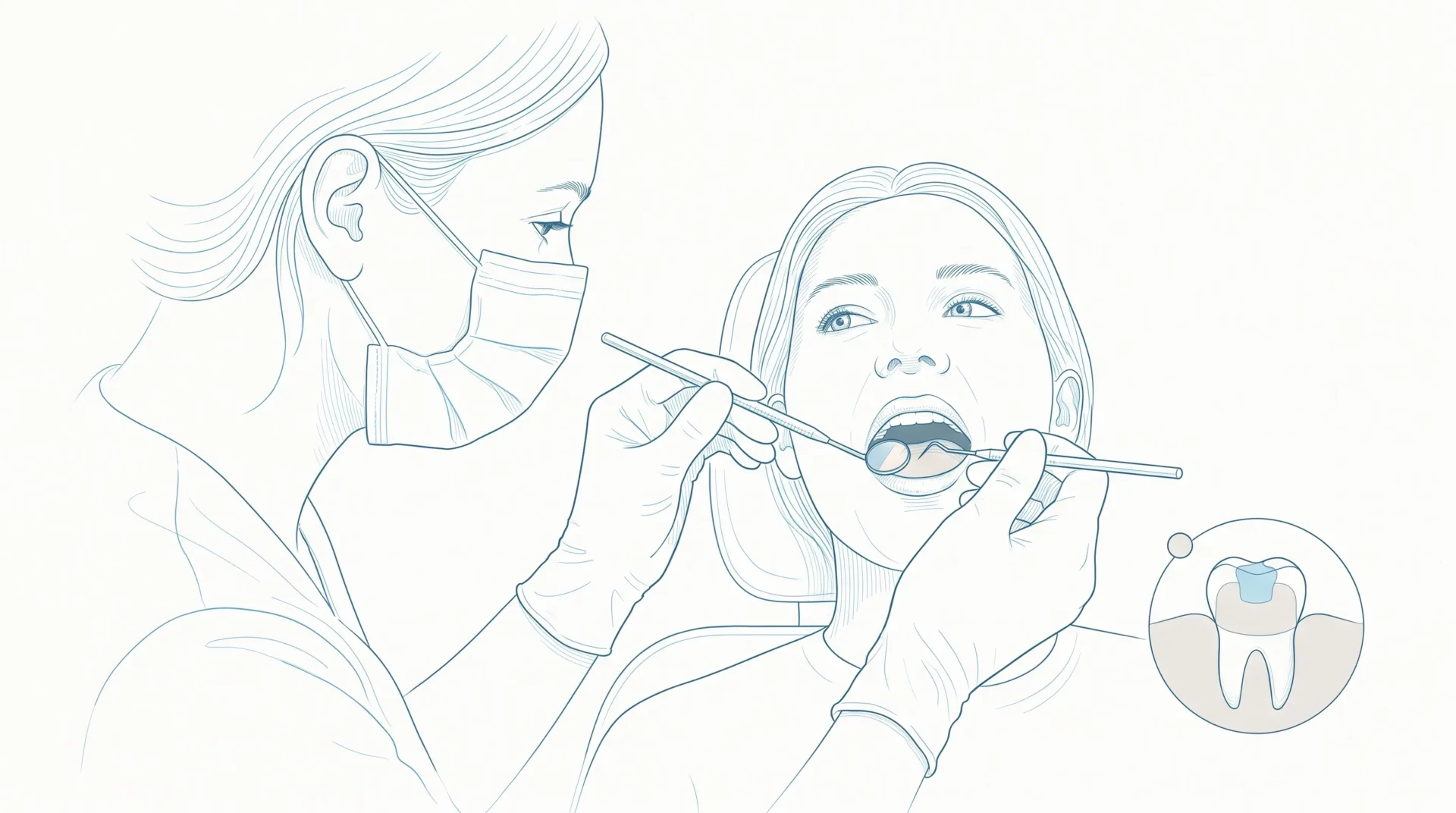
A filling may not be suitable if the tooth has lost too much structure, has a deep crack, has decay close to the nerve or has symptoms suggesting the nerve may be inflamed or infected. In those cases, a larger restoration or another treatment may be considered.
For example, a tooth with a very large existing filling and weakened walls may be more likely to need a crown than another filling. You can learn more about this distinction in My Smile Dental’s article on when a dental crown may be recommended.
Sensitivity is another reason to be cautious about assuming a filling is needed. If your main concern is discomfort with cold, sweet foods or brushing, the cause should be assessed first. My Smile Dental has a separate guide on when sensitive teeth should be checked by a dentist, which may be useful if sensitivity is your only symptom.
If you have searched for a dentist for fillings near me after breaking a tooth or developing swelling, your dentist may need to assess whether the tooth requires emergency care, not just a routine restoration.
What happens during a filling appointment?
If a filling is recommended and you choose to proceed, your dentist will explain the proposed treatment, the possible risks and alternatives before starting. Local anaesthetic may be used to numb the tooth and surrounding area. The need for anaesthetic varies depending on the tooth, the depth of the work and your comfort.
The dentist then removes the decayed, damaged or weakened tooth structure and shapes the area so the filling can be placed. For a tooth-coloured composite filling, the tooth is usually cleaned, prepared with bonding agents and restored in layers before the material is set with a curing light. The filling is then shaped and polished so your bite feels as natural as possible.
Some people notice temporary sensitivity after a filling, especially to cold or pressure. This often settles, but persistent, worsening or sharp pain should be reviewed. All dental procedures carry potential risks and benefits, including sensitivity, filling wear, chipping, nerve irritation or the need for further treatment if symptoms do not settle.
How long do dental fillings last?
There is no single lifespan that applies to every filling. Longevity depends on the material used, the size of the filling, oral hygiene, diet, grinding or clenching habits, saliva flow and the forces placed on the tooth. Larger fillings generally place more stress on the remaining tooth structure than smaller fillings.
A filling may need review or replacement if it chips, wears down, cracks, becomes rough, traps food or develops decay around its edges. Sometimes a person notices the problem first. In other cases, the dentist finds it during a routine check before symptoms develop.
Regular dental examinations and professional cleaning can help monitor existing fillings and identify early changes. If you are unsure how often to book preventive care, My Smile Dental’s guide to how often you should book a professional teeth clean explains factors that can influence the timing.
Cost and timing considerations in Sydenham
The cost of a filling can vary because not all fillings are the same. Factors may include the tooth involved, the number of tooth surfaces being restored, the material used, whether X-rays are needed and whether additional treatment is required. A dentist can provide an estimate after assessing the tooth and discussing the recommended option.
For children, some families may be eligible for support through the Medicare Child Dental Benefits Schedule. Services Australia provides information about the Child Dental Benefits Schedule, including eligibility and what dental services may be covered.
If you are comparing a dentist for fillings near me in Sydenham or surrounding north-west Melbourne suburbs, it is reasonable to ask about appointment availability, payment options, health fund claiming and how the clinic supports patients who feel anxious about treatment. My Smile Dental offers general dental care in Sydenham and can discuss these practical details when you contact the clinic.
When to arrange a dental appointment promptly
Not every filling concern is an emergency, but some symptoms should be assessed without unnecessary delay. Prompt assessment may be appropriate if you have facial swelling, fever, severe toothache, pus, trauma, a broken tooth with sharp edges or pain that wakes you at night.
A lost filling also deserves attention, particularly if the tooth is painful, sensitive or cutting your tongue or cheek. Until you are seen, avoid chewing hard foods on that side and keep the area as clean as you can. Do not place non-dental adhesives or household products in the tooth.
For milder symptoms, such as occasional sensitivity or a rough edge, a routine appointment may be enough. A dental examination can help determine the cause and whether a filling or another option may be appropriate.
How to reduce the chance of needing more fillings
Fillings treat existing damage, but prevention focuses on reducing the conditions that allow decay to develop. Your dentist or hygienist can tailor advice to your mouth, especially if you have a history of frequent cavities, dry mouth, orthodontic appliances or difficulty cleaning certain areas.
Helpful habits often include brushing twice daily with fluoride toothpaste, cleaning between the teeth, limiting frequent sugary snacks and drinks, drinking fluoridated tap water where available and attending dental checks at intervals recommended for your needs.
If you already have several fillings, prevention becomes even more important. The margins around restorations need careful cleaning, and any changes in your bite, diet, medication or saliva flow can influence future decay risk.
Frequently Asked Questions
Can a filling be done on the same day as the examination? Sometimes, yes, but it depends on the diagnosis, appointment length, your comfort, the tooth involved and whether further information is needed. Your dentist can explain what is practical and appropriate after the assessment.
Is a toothache always treated with a filling? No. Toothache can be caused by decay, a cracked tooth, gum problems, sinus pressure, nerve inflammation or infection. A filling may be suitable in some cases, but other treatment may be needed if the tooth nerve or surrounding tissues are involved.
Can a dentist for fillings near me replace an old filling? A dentist can assess an old filling and explain whether replacement is recommended. Not every old filling needs to be replaced, but replacement may be considered if it is broken, leaking, causing symptoms or has decay around it.
Will my filling look like my natural tooth? Tooth-coloured materials can often be matched to nearby teeth, especially in visible areas. The final appearance depends on the tooth, the size of the filling, the material and clinical factors. Your dentist can discuss what may be realistic for your situation.
What if I feel nervous about having a filling? Let the dental team know before treatment. They can explain the process, check in with you during the appointment and discuss comfort options that may be suitable, including whether sedation dentistry should be considered for your circumstances.
Discuss dental fillings in Sydenham
If you have been searching for a dentist for fillings near me, an examination is the most reliable way to understand what is happening with your tooth. The team at My Smile Dental in Sydenham can assess your oral health, explain the potential benefits, risks and alternatives and discuss whether a filling may be suitable for your individual needs.
To discuss your concerns, you can contact My Smile Dental or book an appointment online for an assessment in Sydenham, Melbourne, VIC.
Disclaimer
The information provided on this website is for general informational and educational purposes only. It is not intended to replace professional dental advice, diagnosis or treatment. Dental needs and treatment outcomes vary between individuals. Always seek advice from a qualified dental practitioner regarding your specific circumstances before making decisions about your oral health or treatment. A consultation and clinical assessment are required to determine which treatment options may be suitable for you. All dental procedures carry potential risks and benefits, which will be discussed with you before treatment.