
What Happens During a Dental Check-Up in Sydenham?
22 September 2026 | General Dentistry, Preventative Dentistry, Teeth Cleaning
If you have searched "book dental check up" because you are overdue, have noticed a change in your teeth or simply want to keep on top of your oral health, it is helpful to know what the appointment may involve. A dental check-up is usually a straightforward visit where your dentist examines your teeth, gums and mouth, discusses any concerns and explains whether further care may be appropriate for your circumstances.
For patients in Sydenham and nearby north-west Melbourne suburbs, a check-up can also be a good time to ask questions about cleaning, children’s dental care, cosmetic options or symptoms that have been worrying you. The exact appointment will vary from person to person, especially if you are new to the clinic, have dental anxiety or need an urgent assessment.
Before you search "book dental check up": what the visit can include
A dental check-up is not only for people with toothache. It is a preventive appointment that helps your dentist look for early signs of dental and gum problems, check existing fillings or crowns and talk through your home care routine.
During a routine dental check-up, your dentist may assess:
- Teeth for decay, cracks, wear or broken restorations
- Gums for bleeding, inflammation or signs of gum disease
- The soft tissues of the mouth, including the tongue, cheeks and palate
- Bite, jaw comfort and signs of clenching or grinding
- Existing dental work, such as fillings, crowns, bridges or dentures
- Whether X-rays or a professional clean may be useful
Healthdirect’s general guidance on dental care and regular dental visits notes that dental check-ups can help identify issues early and support ongoing oral health. How often you need one depends on your oral health, risk factors, medical history and your dentist’s advice.
What happens when you arrive at a Sydenham dental clinic?
If your main reason to book dental check up is that you have not been in a while, the first part of the visit is usually about getting a clear picture of your health and concerns. You may be asked to complete or update a medical history form, including medications, allergies, pregnancy, past dental treatment and any health conditions that may affect dental care.
This information matters because oral health and general health can be connected. For example, some medications can contribute to dry mouth, and some medical conditions may affect healing or gum health. Your dentist can also discuss comfort needs before the examination begins.
If you are attending My Smile Dental for the first time, this article on what to expect at your first Sydenham dental clinic visit explains the new patient process in more detail.
Step by step: what happens during the dental examination?
The examination usually begins with a conversation. Your dentist may ask whether you have pain, sensitivity, bleeding gums, bad breath, jaw discomfort, broken teeth or cosmetic concerns. If you are considering treatment such as teeth whitening or Invisalign, the dentist may first need to assess your general oral health before discussing whether those options may be suitable.
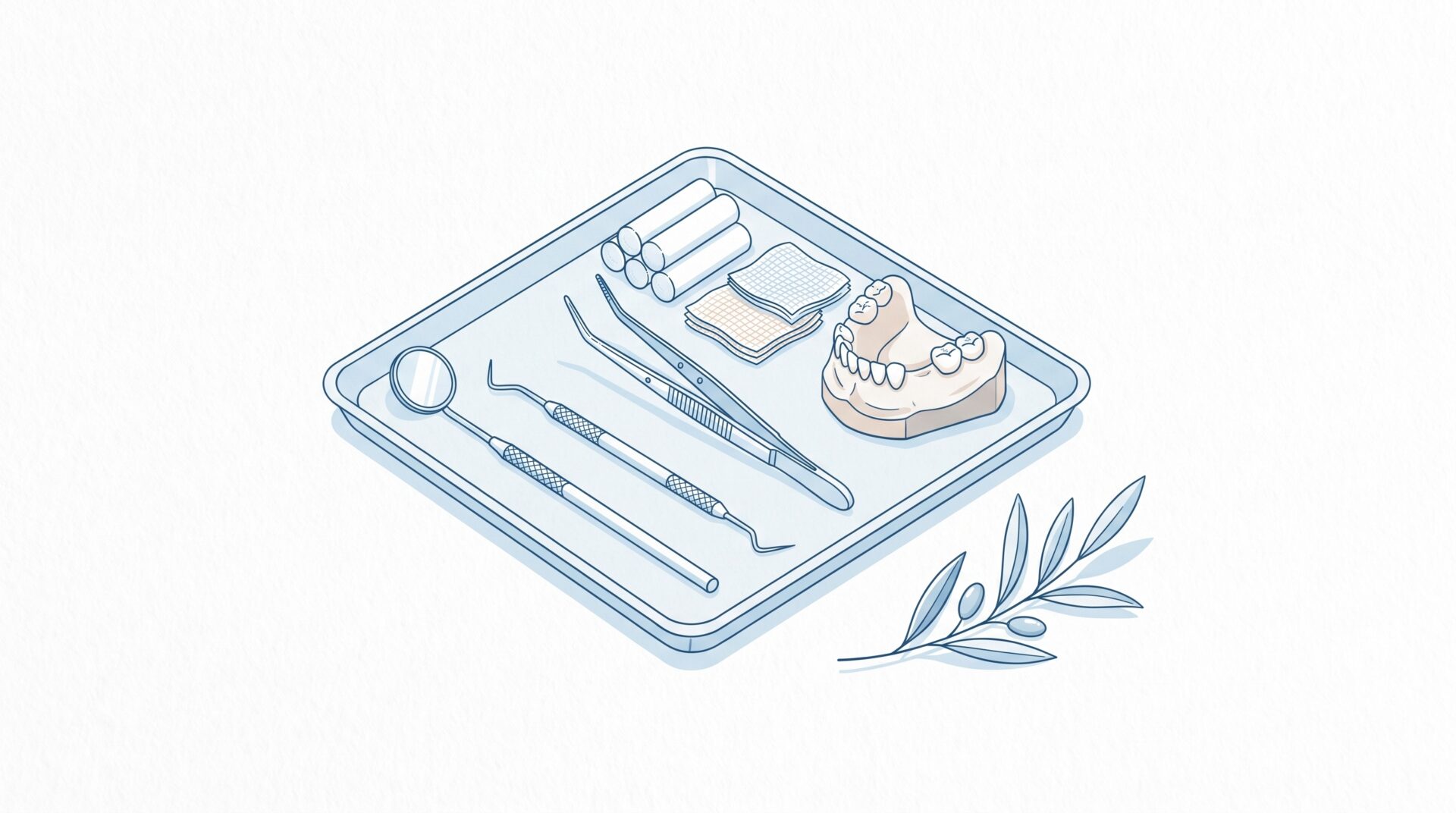
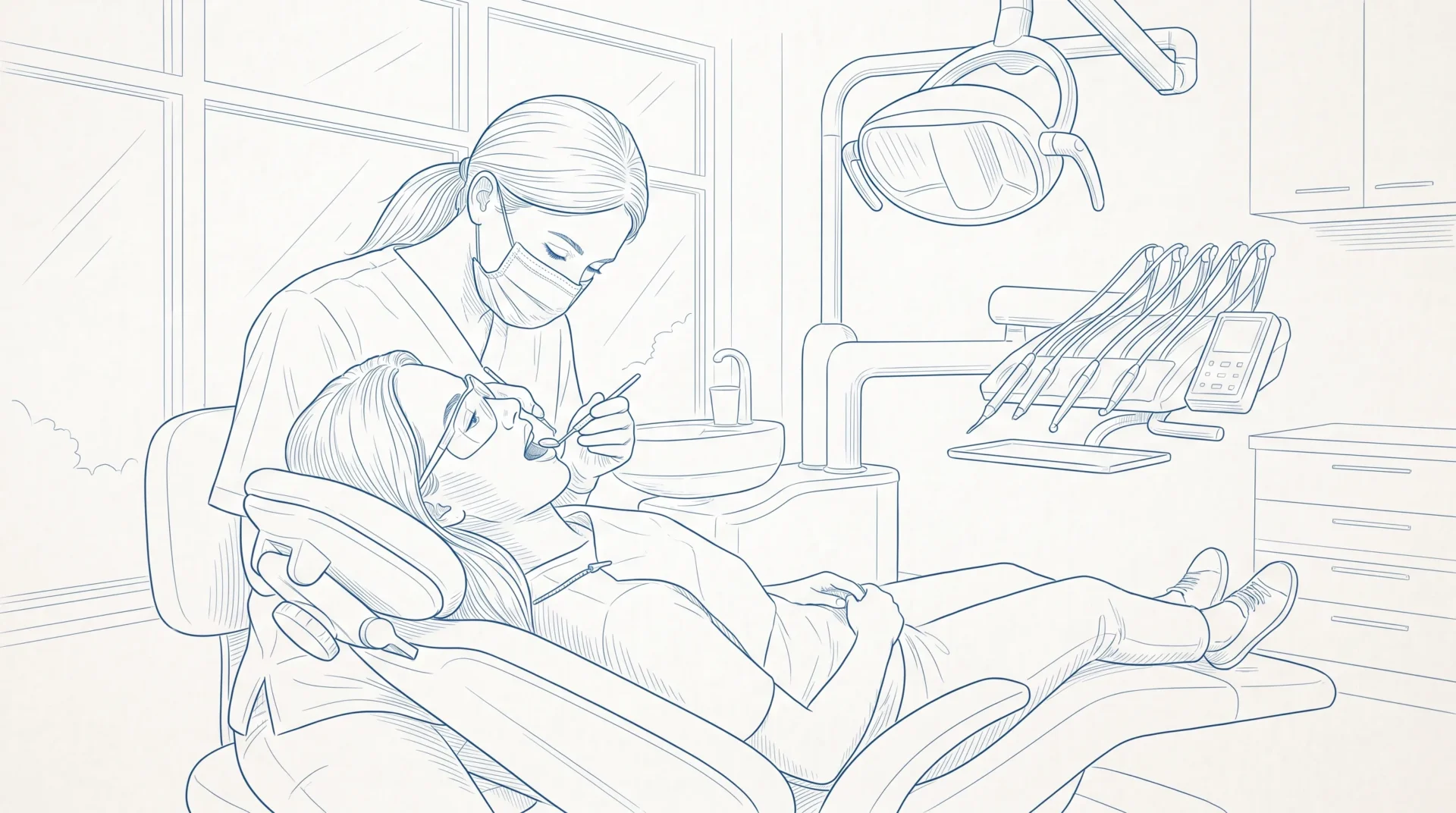
Next, the dentist will examine your mouth using a small dental mirror and light. They may gently check each tooth surface, look around the gumline and inspect the soft tissues inside your mouth. This should not feel rushed. You can ask for an explanation at any point, especially if you feel unsure about what is being checked.
Your dentist may also measure the spaces around your gums using a periodontal probe. This is a fine measuring instrument used to assess gum health. Deeper spaces, bleeding or gum recession may suggest that further gum care or more frequent cleaning should be discussed.
By this stage, many people who searched "book dental check up" are relieved to find that the appointment is mostly about assessment, communication and planning. Treatment is not usually started without explaining the reason, likely benefits, possible risks and alternatives.
Will you need dental X-rays?
Dental X-rays are not required for every person at every appointment. Your dentist may recommend them if they need to see areas that are not visible during the mouth examination, such as between teeth, under old fillings or around the roots of teeth.
X-rays can help assess decay, bone levels around teeth, infection, impacted teeth or the position of wisdom teeth. Your dentist should explain why an X-ray is recommended and how the result may guide your care. If you are pregnant, trying to conceive or have concerns about radiation, let the team know before any imaging is taken.
Like all procedures, dental imaging has benefits and limitations. It may provide useful diagnostic information, but it should only be used when clinically justified for your individual situation.
Does a check-up include a professional clean?
A check-up and a professional clean are often discussed together, but they are not exactly the same thing. A check-up is the examination and diagnosis process. A professional clean focuses on removing plaque and hardened tartar from areas that are difficult to clean well at home.
Some patients may have a check-up and clean in the same visit. Others may need a separate hygiene appointment, especially if there is significant tartar build-up, gum inflammation or sensitivity. The most suitable approach depends on your oral health and the time required to provide appropriate care.
| Part of the visit | What it usually involves | Why it may be recommended |
|---|---|---|
| Dental examination | Checking teeth, gums, soft tissues and existing dental work | To assess oral health and identify concerns |
| X-rays, if indicated | Images of areas not visible during the examination | To assist diagnosis and treatment planning |
| Professional clean | Removal of plaque and tartar, often followed by polishing | To support gum health and home care |
| Oral hygiene advice | Brushing, flossing, diet and product guidance | To help you manage risk factors between visits |
| Treatment discussion | Explanation of findings, options, risks and costs where relevant | To support informed decisions |
If you are unsure whether you need a clean, this guide on when to see a dental hygienist for professional cleaning may help you understand common signs and appointment types.
How often should you book a dental check-up?
If you plan to book dental check up as part of a regular routine, your dentist can advise an interval based on your personal risk factors. Some people are advised to attend every six months. Others may need more frequent reviews, while some people with stable oral health may be advised differently.
Factors that may affect timing include:
- Gum health and history of gum disease
- Previous decay or frequent fillings
- Dry mouth or medications that affect saliva
- Smoking or vaping
- Diabetes or other health conditions
- Braces, aligners, dentures, implants or complex dental work
- Home care habits and diet
Children, teenagers, adults and older patients may all have different needs. The aim is not to attend more often than necessary, but to review your oral health at a clinically appropriate interval.
Dental check-ups for children and families in Sydenham
Family check-ups can make oral health easier to manage, especially for busy households. For children, the appointment may include checking tooth development, discussing brushing technique, reviewing diet and looking for early signs of decay.
Some eligible children may be able to access support through the Child Dental Benefits Schedule, an Australian Government program that helps cover certain basic dental services for eligible children. You can check general eligibility information through Services Australia’s Child Dental Benefits Schedule page.
A child’s dental visit should be age-appropriate and calm. If your child is anxious or has had a difficult dental experience before, mention this when booking so the team can allow for a more considered approach.
What if you feel nervous about booking?
For nervous patients, the phrase "book dental check up" can feel bigger than the appointment itself. Dental anxiety is common, and it is reasonable to want clear communication before anything begins.
You can ask the dentist to explain each part of the examination, agree on a signal to pause or discuss comfort options before treatment is considered. Sedation dentistry may be available in some circumstances, but it is not needed or suitable for everyone. A clinical assessment is required before any sedation option can be discussed.
If comfort is one of your main concerns, this article on how to find gentle dental care in Sydenham outlines what gentle, communication-focused care can look like.
When should a dental check-up be booked sooner?
A routine check-up is suitable for many general concerns, but some symptoms should be assessed promptly. Contact a dental clinic for advice if you have toothache that is not settling, facial swelling, a broken tooth, bleeding after an injury, a knocked-out adult tooth or signs of infection such as fever with dental pain.
These symptoms do not automatically mean you need complex treatment, but they do warrant professional assessment. If symptoms are severe or affect breathing, swallowing or general wellbeing, seek urgent medical or dental advice.
Before your appointment: simple ways to prepare
Before you book dental check up online or over the phone, it can help to gather a few details. Note any symptoms, when they started and what seems to trigger them. Bring a list of medications and any recent dental X-rays if they are available. If you have private health insurance, bring your card so the team can discuss claiming processes where relevant.
Try not to brush aggressively just before your visit to “make up” for anything. Brush and floss as you normally would. Your dentist is there to assess your oral health, not judge you.
Frequently Asked Questions
How long does a dental check-up usually take? The length varies depending on whether you are a new or returning patient, whether X-rays are needed and whether a clean is included. The clinic can give you a general idea when you arrange the appointment.
Will I need treatment on the day? Not necessarily. If the dentist finds an issue, they should explain the findings, discuss possible options and outline benefits, risks and alternatives before treatment decisions are made.
Can I have a check-up if I want teeth whitening or Invisalign? Yes, a dental examination is often an appropriate first step. Your dentist can assess your oral health and discuss whether cosmetic or orthodontic options may be suitable for your circumstances.
Is a dental check-up suitable if I have no symptoms? Often, yes. Some dental and gum issues may not cause noticeable symptoms early on. Your dentist can advise how often you should attend based on your individual risk factors.
Arranging a dental check-up at My Smile Dental
If you are ready to book dental check up in Sydenham, My Smile Dental can assess your oral health, explain any findings and discuss options that may be appropriate for your needs. A check-up does not commit you to treatment. It is a chance to understand what is happening in your mouth and make informed decisions with clear information.
To discuss your concerns or arrange an assessment, you can contact My Smile Dental in Sydenham or use the clinic’s online booking option through the website.
Disclaimer
The information provided on this website is for general informational and educational purposes only. It is not intended to replace professional dental advice, diagnosis or treatment. Dental needs and treatment outcomes vary between individuals. Always seek advice from a qualified dental practitioner regarding your specific circumstances before making decisions about your oral health or treatment. A consultation and clinical assessment are required to determine which treatment options may be suitable for you. All dental procedures carry potential risks and benefits, which will be discussed with you before treatment.