
How to Find Gentle Dental Care in Sydenham
3 September 2026 | Children's Dentistry, General Dentistry, Melbourne Dentist
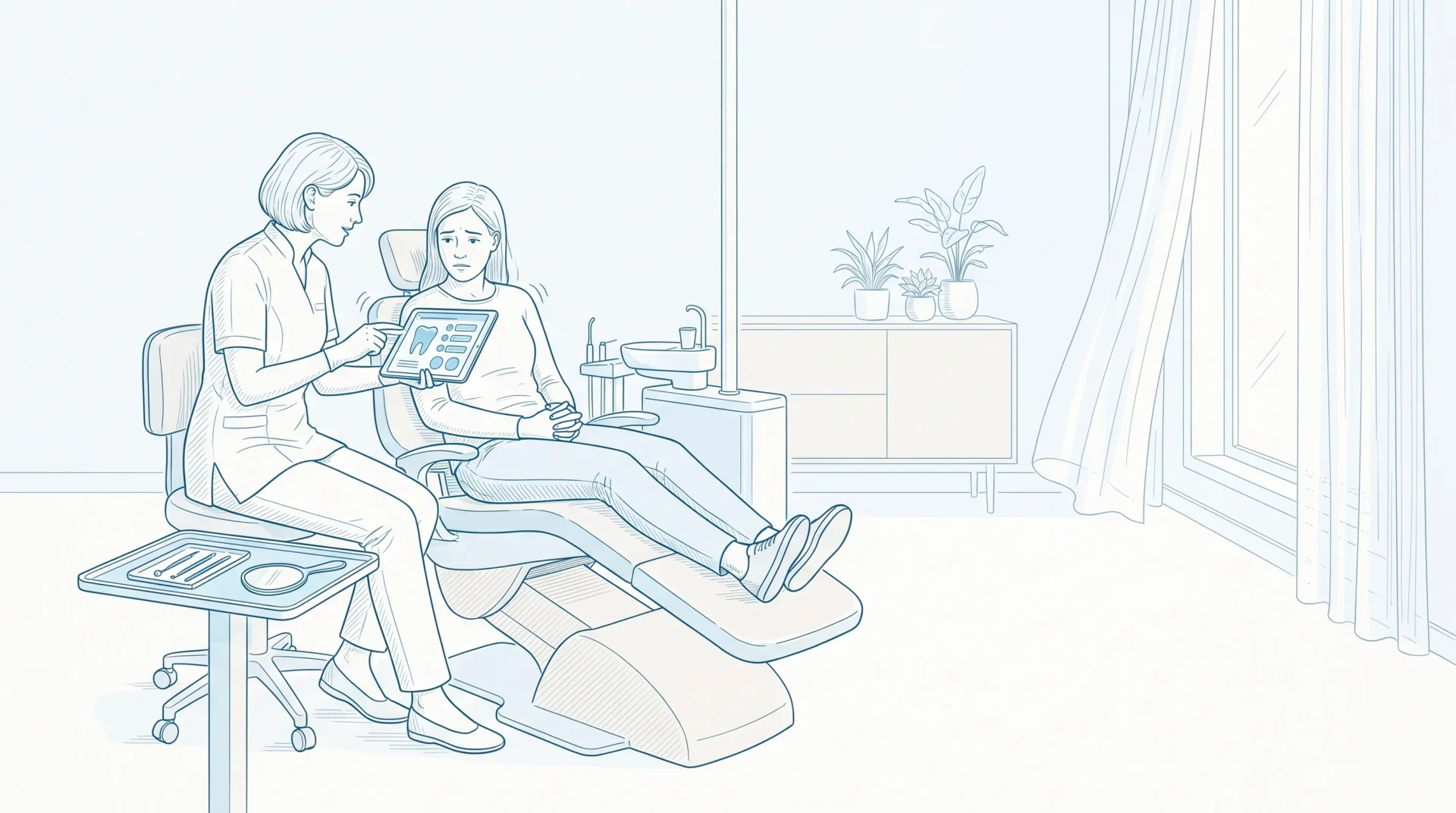
If you have searched for ‘the gentle dentist near me’, you are probably looking for a Sydenham dental clinic that takes anxiety, discomfort, time pressures and personal preferences seriously. Gentle dental care is not a separate type of dentistry. It is an approach to routine check-ups, emergency visits, cosmetic consultations and children’s appointments that focuses on clear communication, careful pacing, comfort options and informed consent.
For people in Sydenham and nearby north-west Melbourne suburbs, choosing a dentist can feel easier when you know what to look for before you book. This guide explains the practical signs of gentle dental care, what an appointment may involve and which questions can help you decide whether a clinic suits your needs.
What gentle dental care usually means
Gentle dental care starts before any treatment begins. A dentist who works gently should take time to understand why you are attending, whether you have pain, what you are worried about and whether you have had difficult dental experiences in the past.
It does not mean every procedure feels the same for every person. People have different pain thresholds, dental histories, medical conditions and levels of anxiety. It also does not mean treatment is risk-free. All dental procedures carry potential benefits and risks, and a clinical assessment is needed before a dentist can recommend suitable options.
In everyday terms, a gentle approach may include:
- Explaining what is being checked and why
- Asking about your medical history, medications and previous dental experiences
- Using local anaesthetic where clinically appropriate
- Checking your comfort during treatment
- Offering breaks during longer appointments
- Discussing treatment choices, limitations, fees and alternatives
- Avoiding pressure around cosmetic or elective treatment
A clinic can have modern equipment and still not feel gentle if communication is rushed. The opposite is also true. A calm, well-explained appointment can make a noticeable difference for patients who feel nervous, especially if they have delayed dental care because of anxiety or previous discomfort.
What your first gentle dental appointment may involve
A first visit is often about understanding your current oral health rather than rushing into treatment. If you have not visited My Smile Dental before, you may find it useful to read about what to expect at your first Sydenham dental clinic visit before attending.
A typical appointment may include these steps, depending on your reason for visiting:
- A conversation about your concerns: You can explain your symptoms, dental history, anxiety level, medical conditions, medications and any previous dental experiences that affect how you feel about treatment.
- An examination: The dentist may check your teeth, gums, bite, jaw and soft tissues, and may recommend X-rays if they are needed to assess areas that cannot be seen directly.
- Discussion of findings: Your dentist should explain what they have found, what it may mean and whether anything needs treatment, monitoring or further investigation.
- A treatment plan if required: If treatment is recommended, you should be told about potential benefits, risks, likely steps, alternatives and what may happen if treatment is delayed.
- Time for questions: You should have an opportunity to ask about comfort options, fees, appointment length, recovery and whether treatment can be staged.
If your appointment is for toothache, swelling, a broken tooth or another urgent concern, the focus may be on assessing the cause, reducing immediate risk and discussing the next suitable step. Some conditions need staged care rather than a single appointment.
Local factors that can make dental care feel easier
For many Sydenham patients, gentle care is not only about what happens in the dental chair. Convenience can also affect stress levels, especially for families, shift workers, students and professionals trying to fit appointments around work or school.
When choosing a local dentist in Sydenham, consider whether the appointment times, location, parking, online booking process and communication style suit your household. If weekend appointments are easier for you, this guide on preparing for a Saturday dentist appointment explains what to organise beforehand.
Patients from surrounding suburbs such as Hillside, Taylors Lakes, Delahey, Keilor Downs and Caroline Springs may also prefer a clinic that can manage a range of needs in one place. This can be useful if one family member needs a check-up, another has a dental emergency and someone else wants to discuss cosmetic options. A broad service range does not mean every treatment is appropriate for everyone, but it can make assessment and referral decisions more straightforward.
Support for dental anxiety without pressure
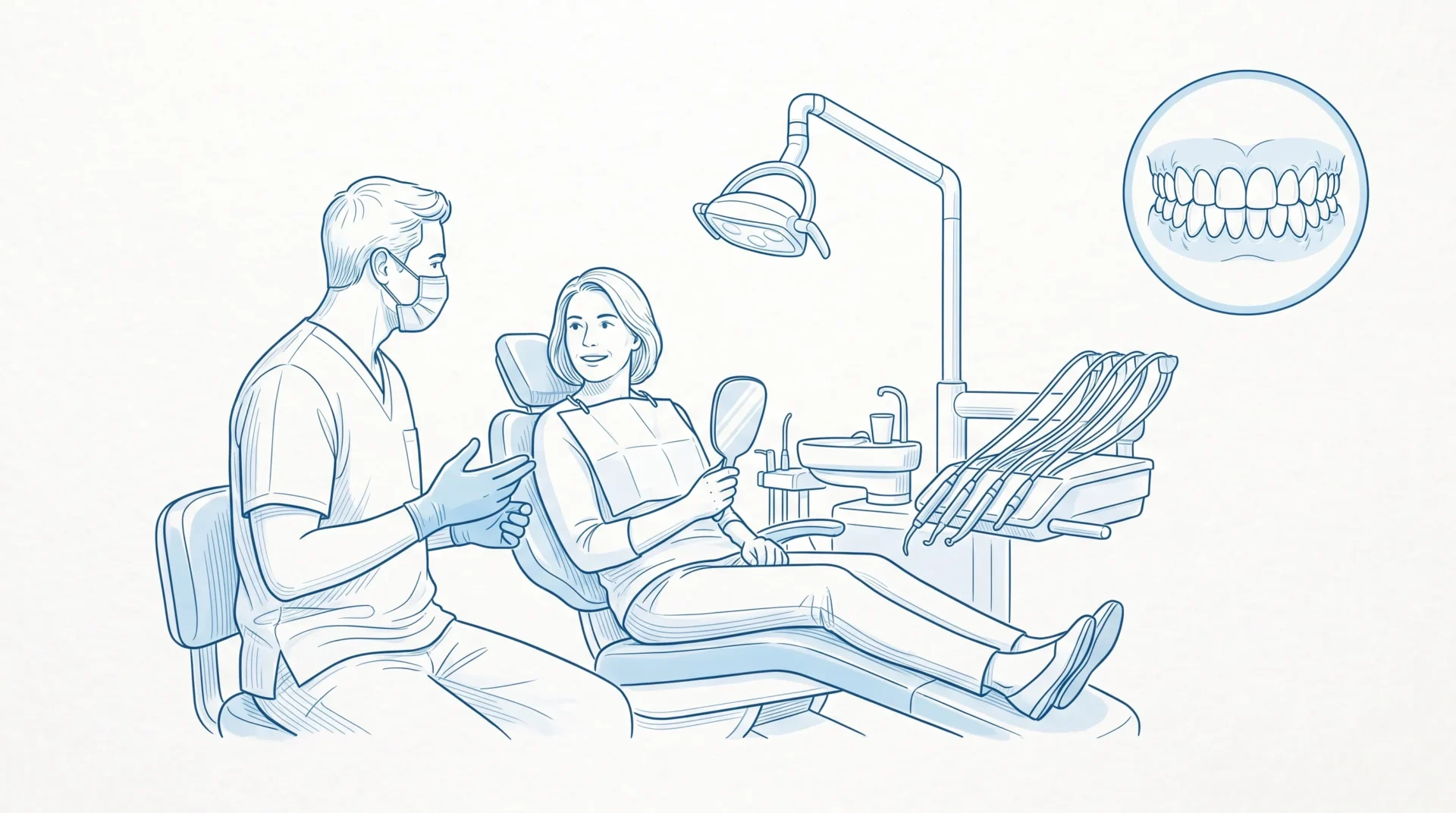
Dental anxiety can range from mild nervousness to strong fear. The Better Health Channel explains dental anxiety and phobia and notes that it can affect whether people attend dental appointments. If this sounds familiar, it is worth telling the clinic when you book rather than waiting until you are in the chair.
A gentle dentist may support anxious patients by slowing the pace, explaining what is happening, agreeing on a hand signal, offering breaks and checking whether local anaesthetic is working as intended. Some patients may also want to discuss sedation. Sedation may be considered for some dental procedures or anxious patients, depending on the person and the type of care required.
Sedation is not suitable for everyone. Your dentist needs to consider your medical history, medications, previous reactions, the procedure being planned and any safety instructions that apply. If sedation is being considered, ask what type is available, what the risks and limitations are, whether you need someone to take you home and what you should do before and after the appointment.
Choosing gentle care for children and families
Children’s dental visits should be age-appropriate, clear and calm. A gentle appointment for a child may involve simple explanations, showing instruments before using them, allowing time for questions and focusing on prevention rather than blame.
For families in Sydenham, it may help to choose a clinic that provides children’s dentistry as well as adult care. This can make it easier to maintain regular dental visits and keep records in one place. If your child may be eligible for support through the Child Dental Benefits Schedule, you can check current details with Services Australia and ask the clinic what information is needed when booking.
Gentle dental care for families also includes practical prevention advice. This may involve brushing guidance, flossing support, dietary discussion, fissure sealant assessment, mouthguard advice for sport or monitoring how adult teeth are coming through. Recommendations vary depending on age, oral health, risk factors and cooperation in the dental chair.
If you need emergency dental care in Sydenham
A gentle approach is especially important when you are in pain. Dental emergencies can feel stressful because symptoms may be sudden and it can be difficult to know what is serious.
You should contact a dentist promptly if you have facial swelling, dental trauma, a knocked-out adult tooth, uncontrolled bleeding after dental treatment, severe toothache, signs of infection or pain that is worsening. If swelling affects breathing, swallowing or your ability to open your mouth, seek urgent medical care.
Emergency dentistry does not always mean definitive treatment happens immediately. Your dentist may need to assess the cause, take an X-ray, manage infection risk, relieve pressure, place a temporary restoration or discuss referral if a more complex procedure is needed. For a broader overview of appointment types, this article on general, cosmetic and emergency dental services explains how different categories of care are usually approached.
Questions to ask before you book
You do not need to ask every question on this list. Choose the ones that match your concern, especially if you are anxious, attending with a child or considering a treatment such as whitening, Invisalign or sedation.
- How do you support patients who feel nervous about dental treatment?
- Can I book an initial consultation before deciding on treatment?
- What happens if I need a break during an appointment?
- Will I receive an explanation of the risks, benefits and alternatives?
- Do you provide written estimates for recommended treatment?
- What should I bring to my first appointment?
- Do you offer emergency dental appointments for toothache or broken teeth?
- Do you provide children’s dental appointments?
- What payment plan options are available, if any?
- If sedation is discussed, what do I need to know about suitability and safety?
The way a clinic responds can tell you a lot. A calm, practical answer is more useful than a promise that everything will be simple. Dental care is healthcare, so individual assessment matters.
Matching your needs to the right appointment
If you are not sure what to book, describe your main concern when you contact the clinic. The team can guide you towards an appropriate appointment type, though the dentist will still need to assess you before advising on treatment.
| Your concern | Appointment type that may be relevant | What the dentist may assess |
|---|---|---|
| Routine oral health check | General dental examination | Teeth, gums, bite, soft tissues and preventive needs |
| Toothache or swelling | Emergency dental assessment | Possible decay, infection, cracked tooth, gum issue or trauma |
| Stained or discoloured teeth | Cosmetic consultation or whitening assessment | Oral health, type of staining, sensitivity risk and whitening suitability |
| Crowding or spacing concerns | Invisalign consultation | Bite, tooth position, gum health and whether clear aligners may be suitable |
| Nervousness about treatment | Consultation focused on comfort planning | Anxiety triggers, medical history, communication preferences and possible comfort options |
| Child’s first or routine visit | Children’s dental appointment | Tooth development, brushing habits, diet, decay risk and cooperation level |
| Wisdom tooth pain | Wisdom tooth assessment | Tooth position, gum inflammation, infection risk and whether imaging is needed |
This approach keeps the focus on assessment rather than assumptions. For example, sensitivity might be related to enamel wear, gum recession, decay or a cracked tooth. Cosmetic treatment may need to wait if there is active decay or gum disease. A dental examination helps clarify what is appropriate for your situation.
Frequently Asked Questions
What makes a dentist gentle? A gentle dentist usually focuses on communication, pacing, comfort checks and informed consent. This may include explaining procedures clearly, checking whether you need a break and discussing options without pressure.
Can I ask the dentist to stop during treatment? Yes. Many patients find it helpful to agree on a hand signal before treatment begins. If you are uncomfortable, anxious or need a pause, tell your dentist so they can reassess what is happening.
Is sedation suitable for dental anxiety? Sedation may be considered for some patients, but it is not suitable for everyone. Your dentist needs to assess your medical history, medications, the planned procedure and the potential risks before discussing whether it may be appropriate.
Should I see a dentist if I have toothache but I am anxious? Toothache should be assessed, particularly if it is severe, worsening, affecting sleep or associated with swelling. Tell the clinic you are anxious when booking so the team can allow for this in the appointment.
Can gentle dental care include cosmetic treatments? Yes, cosmetic consultations can still follow a gentle, balanced approach. Your dentist should assess your oral health first and explain possible benefits, risks, alternatives and limitations before you decide.
How do I choose a gentle dentist for my child? Look for a clinic that explains children’s appointments in simple terms, focuses on prevention and allows time for questions. It can also help to choose a practice that sees both adults and children if your family prefers one local clinic.
Considering gentle dental care in Sydenham?
If you are looking for a calm, local dental appointment in Sydenham, a dental examination can help determine the cause of your symptoms and which options may be appropriate. My Smile Dental provides general, cosmetic, emergency and children’s dental care, along with Invisalign consultations, whitening, wisdom teeth assessment, root canal treatment and sedation dentistry options where suitable.
To discuss your concerns, you can book an appointment with the team at My Smile Dental in Sydenham. Your dentist can assess your oral health, explain the potential benefits, risks and alternatives, and help you decide what feels manageable for your circumstances.
Disclaimer
The information provided on this website is for general informational and educational purposes only. It is not intended to replace professional dental advice, diagnosis or treatment. Dental needs and treatment outcomes vary between individuals. Always seek advice from a qualified dental practitioner regarding your specific circumstances before making decisions about your oral health or treatment. A consultation and clinical assessment are required to determine which treatment options may be suitable for you. All dental procedures carry potential risks and benefits, which will be discussed with you before treatment.