
What to Consider Before Choosing a Smile Design
4 September 2026 | Cosmetic Dentistry, Invisalign, Orthodontics
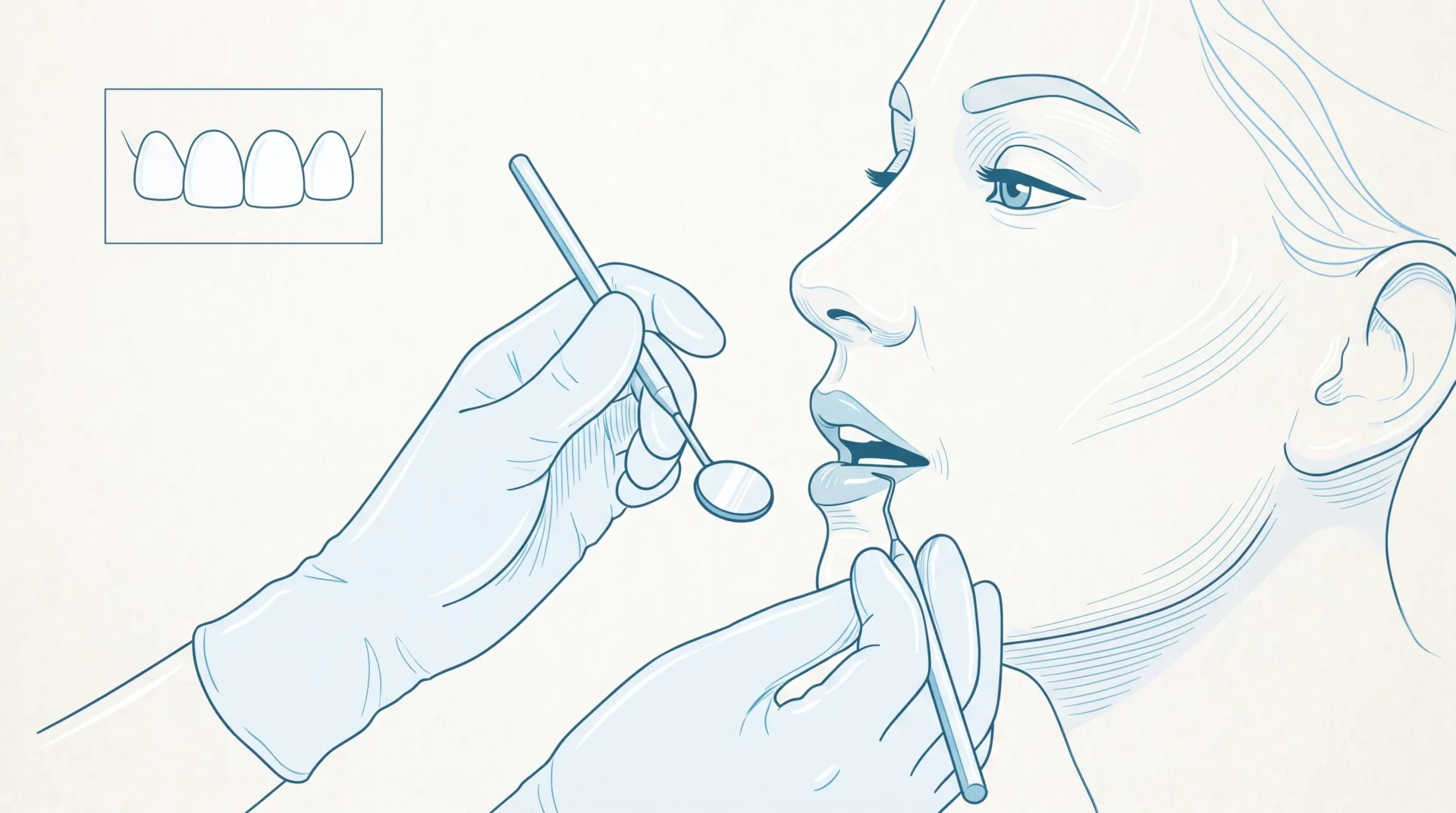
Choosing a smile dental design is not simply about picking a whiter shade or asking for straighter-looking teeth. It is a planning process that should consider your oral health, bite, facial features, treatment goals, budget and how much ongoing maintenance you are comfortable with.
If you are exploring cosmetic dentistry in Sydenham or surrounding north-west Melbourne suburbs, it helps to know what questions to ask before committing to a plan. A well-considered approach can help you understand your options without feeling rushed into treatment that may not suit your needs.
What smile dental design usually means
Smile dental design, often called smile design, is a way of planning cosmetic dental treatment around the whole smile rather than one tooth in isolation. Your dentist may consider the colour, shape, length, alignment and spacing of your teeth, along with your gum line, lips, facial proportions and how your teeth meet when you bite.
It is not one specific treatment. Depending on your oral health and goals, a smile design discussion may include options such as teeth whitening, composite bonding, veneers, crowns, clear aligners or a combination of treatments. In some cases, the most appropriate advice may be to delay cosmetic work until decay, gum inflammation, tooth wear or bite issues are assessed and managed.
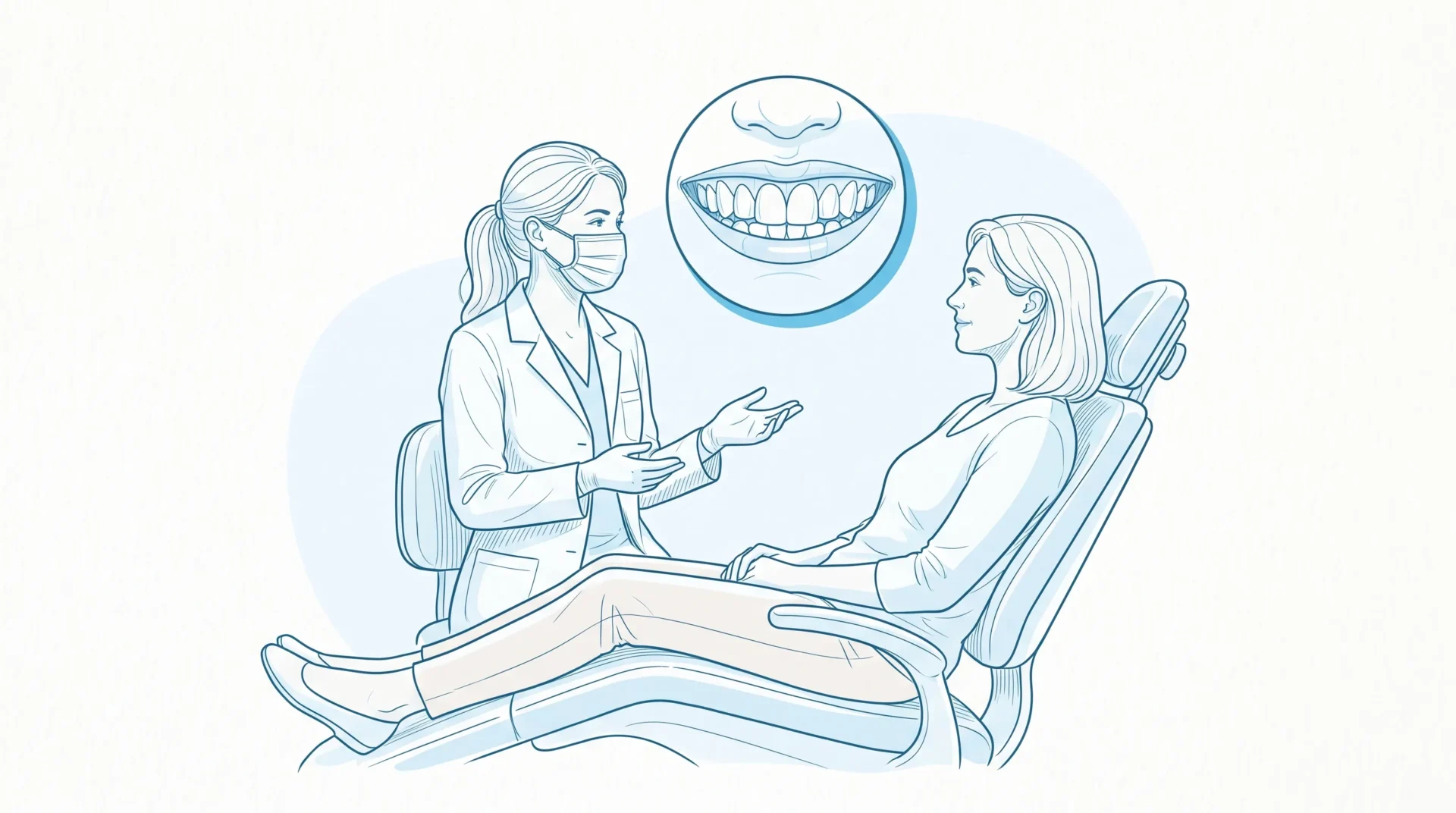
A useful smile design consultation should feel like a conversation, not a sales appointment. Your dentist should explain what may be possible, what may be limited by your anatomy or oral health and what alternatives are available.
Start with your dental health first
Cosmetic planning is most reliable when it starts with a healthy foundation. Teeth and gums that look suitable on the surface may still need assessment for decay, cracks, gum disease, old restorations, tooth wear or bite-related stress.
For example, whitening may not work evenly if you have existing crowns or fillings in visible areas. Veneers may not be suitable if there is active gum disease or not enough healthy enamel. Clear aligners may require assessment of your bite, jaw relationship and gum support before treatment is recommended.
Before choosing a smile design, ask whether your examination may include:
- A check of your teeth, gums and existing fillings or crowns
- Assessment of tooth wear, cracks or sensitivity
- Bite and jaw joint considerations
- Dental X-rays, if clinically needed
- Discussion of your medical history and medications
- Advice on whether general dental treatment should come first
If you have symptoms such as bleeding gums, toothache, swelling, sensitivity or a chipped tooth, it is sensible to have these assessed before focusing on cosmetic changes. My Smile Dental has also published a guide to early warning signs of dental problems that may help you decide when to arrange an appointment.
Be clear about what you want to change
Patients often arrive with a general idea, such as wanting their teeth to look brighter, more even or less crowded. That is a helpful starting point, but your dentist will usually need more detail to explain realistic options.
Try to describe the specific concern rather than the outcome you imagine. For example, you might mention that one tooth looks darker, the edges appear worn, there are gaps, the teeth have shifted, or old fillings are visible when you smile. This helps your dentist identify whether the concern relates to colour, alignment, tooth shape, gum position or tooth structure.
It is also worth reflecting on how much change you actually want. Some people prefer a subtle result that keeps natural variation. Others want a more noticeable cosmetic change. Neither approach is wrong, but the amount of change can affect treatment choice, cost, tooth preparation and maintenance.
Understand the options that may be discussed
A smile design plan can involve one treatment or several staged treatments. The right option depends on clinical suitability, the condition of your teeth and gums, your preferences and your budget.
| Option that may be discussed | What it may help with | Points to ask about |
|---|---|---|
| Teeth whitening | Tooth shade, surface staining and general brightness | Whether your teeth and gums are suitable, whether restorations will match and possible sensitivity |
| Composite bonding | Small chips, minor shape changes or small gaps | Expected lifespan, staining, repair needs and whether tooth preparation is required |
| Veneers | Tooth shape, shade or surface appearance in selected cases | Material type, tooth preparation, risks, maintenance and alternatives |
| Clear aligners, including Invisalign consultations | Mild to moderate alignment concerns, depending on assessment | Treatment duration, compliance, retainers, bite changes and suitability |
| Crowns | Teeth with significant structural loss or existing large restorations | Why a crown is recommended, how much tooth reduction is needed and possible future replacement |
Whitening is often discussed early because it may affect the shade chosen for other dental work. If whitening is part of your thinking, this article on choosing teeth whitening treatment in Sydenham explains why a dental assessment matters before starting.
If veneers are being considered, ask whether a more conservative option may be suitable and whether the treatment involves adding material, preparing tooth enamel or both. You may also find it useful to read about questions to ask before same-day veneers, especially if you are comparing composite and ceramic options.
Ask how your bite will be assessed
A smile design should not focus only on how teeth look in a photo. Your teeth need to function when you chew, speak and close your mouth. If the bite is overlooked, cosmetic materials may be placed under stress or the final result may feel uncomfortable.
Your dentist may assess how your upper and lower teeth meet, whether you grind or clench, whether teeth are worn and whether jaw symptoms are present. If you have a history of broken fillings, chipped front teeth or waking with jaw tension, mention this during the appointment.
In some cases, your dentist may discuss protective measures such as a night guard after treatment. In other cases, orthodontic movement may be considered before restorative cosmetic work. Suitability varies, so a clinical assessment is needed before any recommendation can be made.
Consider previews, mock-ups and communication
Many patients find it easier to make decisions when they can visualise possible changes. Depending on the clinic, treatment and case complexity, planning may involve photographs, digital scans, shade guides, diagnostic models or a temporary mock-up.
These tools are not guarantees of an exact result. They are communication aids that may help you understand tooth proportions, shade choices and treatment direction. Natural teeth, gums, lips, bite forces and dental materials can all affect the final outcome.
Useful questions include:
- Can you show me what changes are being proposed and why?
- Which teeth are involved in the plan?
- Is this a conservative option or does it involve removing tooth structure?
- What parts of the result are predictable and what parts may vary?
- What happens if I choose to do nothing for now?
A dentist should give you time to consider your options, especially for elective cosmetic treatment. You should feel comfortable asking for clarification before agreeing to a plan.
Understand risks, limitations and maintenance
All dental procedures carry potential benefits and risks. The exact risks depend on the treatment, your oral health and your individual circumstances.
For cosmetic dentistry, possible considerations may include temporary or ongoing sensitivity, gum irritation, changes to bite feel, material chipping, staining, the need for repairs or replacement, and the possibility that future dental work may be needed. Treatments that involve tooth preparation may be irreversible because enamel does not grow back.
Maintenance is another practical point. Whitening may need periodic top-ups if suitable. Composite can stain or chip over time. Veneers and crowns can last for varying periods but may eventually need repair or replacement. Clear aligner treatment usually requires retainers to help maintain tooth position.
Good home care, regular dental check-ups and avoiding habits such as chewing ice or using teeth as tools can help protect dental work, but no cosmetic treatment is maintenance-free.
The Australian Dental Association provides patient-friendly oral health information through Teeth.org.au, which can be a useful general reference when learning about dental care and prevention.
Ask for a clear cost discussion
Smile design costs vary because plans can range from a small whitening or bonding appointment to a staged combination of orthodontic and restorative treatment. Costs may be affected by the number of teeth involved, the materials used, laboratory work, appointment time, X-rays, scans, sedation options or the need for general dental care first.
Before deciding, ask for a written treatment plan that explains what is included, what is optional and whether future maintenance has been discussed. If you are comparing different treatment options, ask your dentist to explain why one option may be recommended over another for your mouth.
My Smile Dental has a separate guide on what affects the cost of a dentist visit in Melbourne if you want more context around how dental fees can vary.
If payment plans are relevant to your situation, ask what options may be available and make sure you understand the terms before proceeding.
Choose a dentist who explains suitability, not just appearance
When choosing a dentist for smile design in Sydenham, look for clear communication and a balanced explanation of benefits, limitations and alternatives. Cosmetic dentistry should be planned around your oral health, not pressure or unrealistic expectations.
A helpful consultation should cover:
- Your main concerns and goals
- Your dental and medical history
- Oral health findings from the examination
- Treatment options, including doing nothing for now
- Potential risks and limitations
- Estimated costs and maintenance
- Timeframes and number of visits, where known
Advertising for regulated health services in Australia must follow rules set by the National Law. The AHPRA advertising guidelines are designed to help patients receive information that is not misleading, exaggerated or likely to create unreasonable expectations. As a patient, you can use the same principle when assessing treatment information: be cautious of claims that sound absolute or promise the same outcome for everyone.
When to delay cosmetic smile design
There are times when it may be better to pause cosmetic treatment planning. This does not mean cosmetic care is off the table permanently. It may simply mean another issue needs attention first.
Your dentist may suggest delaying smile design if you have untreated decay, active gum disease, dental infection, significant tooth wear, unstable bite problems or uncertainty about your goals. You may also choose to wait if you need time to compare options, budget for treatment or consider whether the proposed changes feel right for you.
For anxious patients, comfort and communication matter. If dental anxiety has stopped you from asking about treatment, let the team know when booking or at the start of your appointment. Your dentist can explain what the appointment involves and discuss options that may make care more manageable, depending on your needs.
Frequently Asked Questions
Is smile dental design the same as veneers? No. Veneers may be one option within a smile design plan, but smile design is broader. It may include whitening, bonding, alignment, restorations or no immediate cosmetic treatment, depending on your assessment.
Do I need straight teeth before cosmetic dental work? Not always. Some minor shape or colour concerns may be managed without orthodontic treatment. However, if alignment or bite issues affect the plan, your dentist may discuss clear aligners or another orthodontic opinion before restorative treatment.
Can smile design be done in one appointment? Some treatments may be completed in a shorter timeframe, but this depends on the procedure and your oral health. More complex plans may require examination, records, planning, staged treatment and review appointments.
Will whitening change the colour of crowns or fillings? Whitening products generally work on natural tooth structure and do not whiten crowns, veneers or fillings in the same way. If you have visible restorations, your dentist can explain how this may affect shade planning.
How do I know if smile design is suitable for me? Suitability depends on your teeth, gums, bite, medical history, expectations and treatment preferences. A dental examination is needed before a dentist can explain which options may be appropriate.
Considering smile design in Sydenham?
If you are thinking about cosmetic dental treatment, a consultation can help you understand what may be suitable and what alternatives are available. The team at My Smile Dental in Sydenham can assess your oral health, discuss your goals and explain the potential benefits, risks, limitations and costs of different options.
To discuss your concerns, you can book an appointment with My Smile Dental and arrange an assessment in Sydenham, Melbourne, VIC.
Disclaimer
The information provided on this website is for general informational and educational purposes only. It is not intended to replace professional dental advice, diagnosis or treatment. Dental needs and treatment outcomes vary between individuals. Always seek advice from a qualified dental practitioner regarding your specific circumstances before making decisions about your oral health or treatment. A consultation and clinical assessment are required to determine which treatment options may be suitable for you. All dental procedures carry potential risks and benefits, which will be discussed with you before treatment.