
How to Choose a Teeth Whitening Dentist in Melbourne
11 August 2026 | Cosmetic Dentistry, Melbourne Dentist, Teeth Whitening
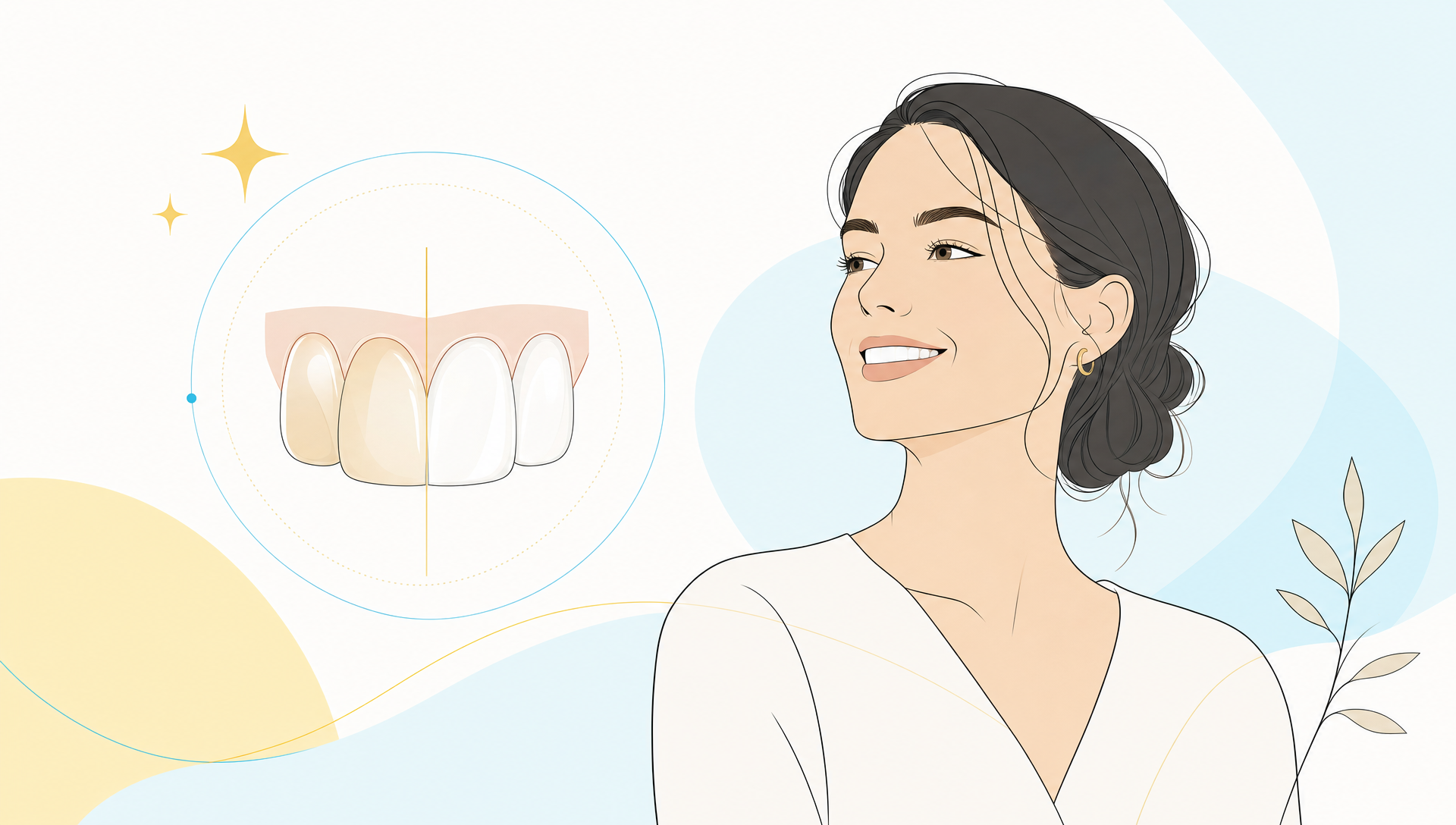
If you have typed teeth whitening dentist Melbourne into Google, you are probably looking for a safe, sensible way to brighten your teeth without guessing which option is suitable. Professional whitening can be considered for some types of tooth discolouration, but it is not the right approach for every person or every stain.
The main thing to know early is this: whitening should start with an oral health assessment, not a promise about a particular shade. A dentist can look at the cause of the discolouration, check for issues such as decay or gum irritation, and explain whether whitening, cleaning, replacement restorations or another option may be more appropriate.
For patients in Sydenham and surrounding north-west Melbourne suburbs, choosing a whitening dentist is also about convenience, follow-up care and clear communication. Here is what to look for before booking an appointment.
Choosing a teeth whitening dentist in Melbourne: what matters most
Teeth whitening is often marketed as a cosmetic service, but it still involves your teeth, gums and oral tissues. That means it should be approached like a healthcare decision.
Most professional whitening systems use peroxide-based gels to lighten stains within the tooth structure. Whitening may help with some yellow or brown discolouration, particularly stains related to food, drinks or ageing. It is less predictable for grey discolouration, developmental enamel changes, trauma-related colour changes or staining from some medicines.
The Australian Dental Association’s patient resource, Teeth.org.au, explains teeth whitening in simple terms and encourages people to speak with a dentist before starting. This is because the cause of the colour change affects whether whitening is likely to be suitable.
A good whitening consultation should help you understand:
- Whether your teeth and gums are healthy enough for whitening at this time.
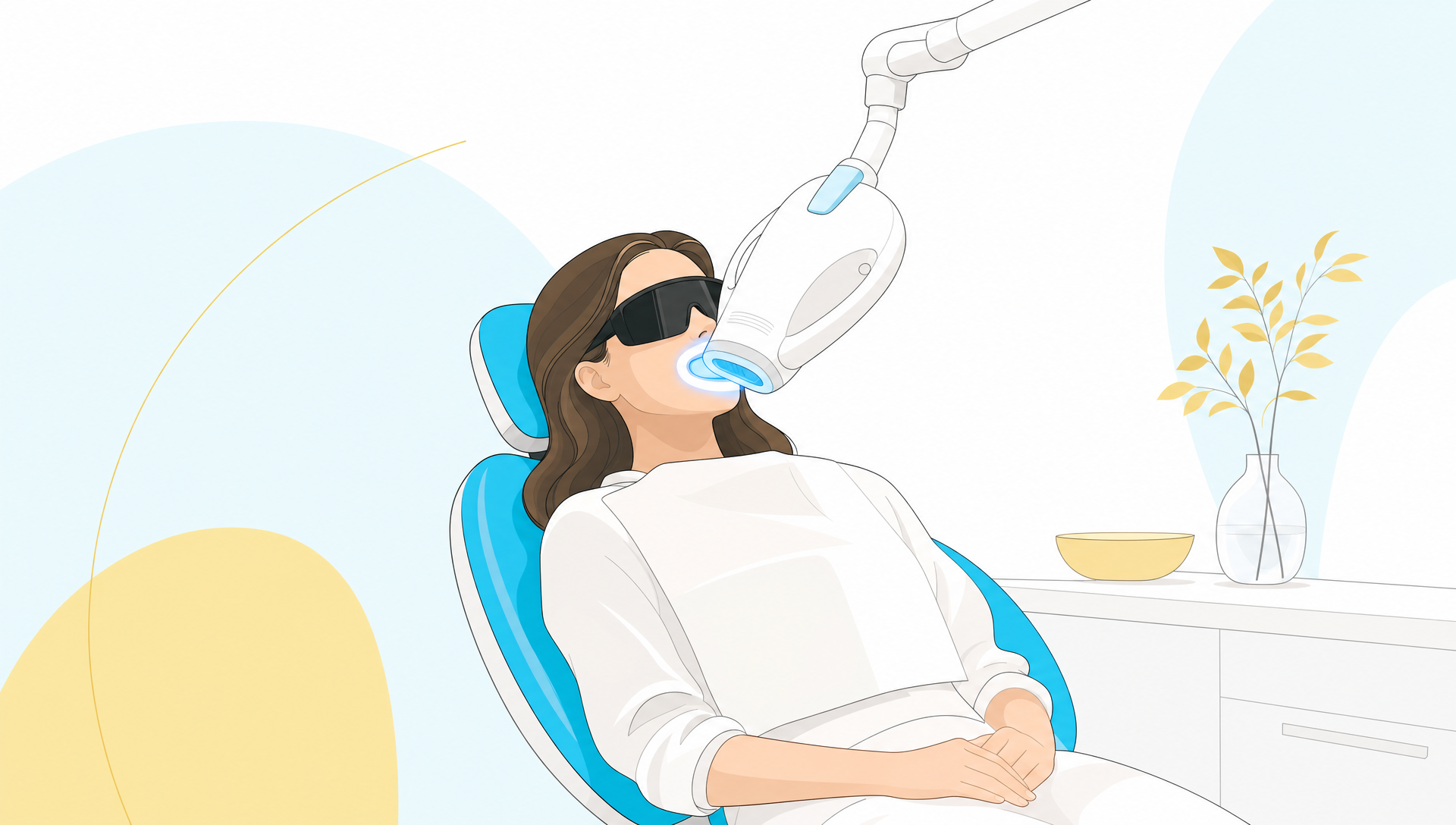
- Which whitening options may be available, such as in-chair whitening or dentist-supervised take-home trays.
- What the treatment can and cannot change, including the fact that fillings, crowns and veneers do not whiten like natural teeth.
- Possible risks such as temporary sensitivity, gum irritation or uneven colour.
- How to maintain results without overusing whitening products.
The aim is not to make everyone choose whitening. The aim is to help you make an informed decision based on your oral health, goals and circumstances.
Check your oral health before comparing whitening options
Before choosing a whitening dentist, pay attention to whether they recommend an examination first. This is important because whitening gel can irritate already sensitive teeth or inflamed gums, and it will not resolve underlying dental problems.
Your dentist may check for tooth decay, cracks, exposed root surfaces, gum disease, enamel wear, leaking fillings and areas of sensitivity. If any of these are present, they may recommend treating or monitoring those concerns before whitening.
Surface staining is another common consideration. If stains are sitting on plaque or tartar, a professional clean may be discussed before whitening. This does not mean everyone needs the same cleaning schedule, but it can help your dentist see the natural tooth colour more clearly. If you are unsure whether your teeth need a scale and polish first, My Smile Dental has a helpful guide on when to see a dental hygienist for professional cleaning.
It is also worth telling your dentist if you have a history of sensitivity, acid reflux, teeth grinding, gum recession or recent dental work. These details can affect which whitening approach, if any, may be suitable.
Compare in-chair and take-home whitening carefully
Professional whitening is not one single treatment. Different dentists may offer different systems, and suitability depends on your mouth, your preferences and the condition of your teeth.
Here is a simple comparison to help you understand the main differences.
| Whitening option | What it generally involves | Possible advantages | Limitations to understand |
|---|---|---|---|
| In-chair whitening | Whitening gel is applied in the dental clinic, usually with gum protection and dental supervision. | Treatment is supervised during the appointment, and it may be useful for patients who prefer not to manage trays at home. | Sensitivity can still occur, results vary, and it may not suit all types of discolouration. |
| Dentist-supervised take-home whitening | Custom trays and whitening gel are provided with instructions for use at home. | Custom trays may help control where gel sits, and the process can be adjusted under dental guidance. | It requires consistent use as instructed, and overuse can increase irritation or sensitivity. |
| Over-the-counter whitening products | Products such as strips, pens or toothpastes are purchased without a custom dental plan. | They may be easy to access and less involved. | Fit, strength and effectiveness vary, and they do not include an individual dental assessment. |
A dentist should explain why they recommend one option over another. For example, someone with mild general discolouration and healthy gums may have different options from someone with significant sensitivity, visible restorations or localised darkening on one tooth.
What should happen at a whitening consultation?
A whitening consultation does not need to feel complicated. It should give you a clear understanding of your starting point, the likely process and the potential risks.
A typical appointment may include a discussion about your goals, a review of your dental and medical history, an examination of your teeth and gums, and sometimes dental photographs or shade recording. Your dentist may ask about previous whitening, sensitivity, diet, smoking or vaping, medications and recent dental treatment.
They should also explain that whitening is not a permanent change. Teeth can darken again over time due to natural ageing, staining foods and drinks, oral hygiene habits and other factors. Maintenance varies between patients, and repeating whitening too often can increase the risk of irritation.
Clear explanations matter in any service where the person receiving advice cannot easily assess the technical issue themselves. For example, homeowners often value upfront assessment and clear explanations before approving work in other professional services; dental whitening should be approached with the same expectation that you understand what is being recommended and why.
Questions to ask before choosing a whitening dentist
The right questions can help you compare clinics without focusing only on price or marketing claims. A good dentist should be willing to explain their reasoning in plain language.
Consider asking:
- What type of discolouration do I have, and is whitening likely to address it?
- Are my teeth and gums healthy enough for whitening at the moment?
- Which whitening options do you offer, and why might one be more suitable for me?
- What side effects should I be aware of, including sensitivity or gum irritation?
- How will whitening affect my existing fillings, crowns, veneers or bonding?
- What should I do if I experience discomfort or sensitivity during treatment?
- How often can whitening be repeated safely, if at all?
- Can I have a written estimate and explanation of what is included?
You do not need to make a decision during the first conversation. If you feel unsure, it is reasonable to ask for time to consider the information.
Be cautious with unrealistic whitening claims
Dental advertising in Australia must be accurate, balanced and not misleading. The AHPRA advertising guidelines apply to regulated health services, including dental care.
When comparing whitening providers, be careful with language or promotions that create unrealistic expectations. Whitening outcomes vary between patients, and no dentist can accurately guarantee a final shade before treatment.
| Claim or approach to be cautious about | Why it matters |
|---|---|
| Promising a specific shade change for everyone | Tooth structure, stain type and oral health vary between patients. |
| Suggesting whitening is risk-free | Sensitivity, gum irritation and uneven colour are possible. |
| Offering whitening without checking oral health | Decay, gum disease or cracks may need attention first. |
| Pressuring you to decide immediately | Cosmetic dental treatment should allow time for informed consent. |
| Ignoring existing crowns, fillings or veneers | Restorations do not respond to whitening gel in the same way as natural tooth structure. |
Before-and-after images can also be difficult to interpret because lighting, camera settings and tooth dehydration can affect appearance. They should not be treated as a prediction of your own result.
Local factors for Sydenham and north-west Melbourne patients
If you live or work around Sydenham, Taylors Lakes, Keilor Downs, St Albans, Hillside or nearby north-west Melbourne suburbs, local access can make a practical difference. Whitening sometimes involves follow-up, sensitivity management or later maintenance, so it can be useful to choose a clinic you can return to if you have questions.
It may also be helpful to choose a dental clinic that provides general dentistry as well as cosmetic options. This allows the dentist to assess whether a dental issue is contributing to the colour change before discussing whitening.
For example, a dark tooth can sometimes be related to previous trauma or nerve changes. Sensitivity, cracks, bleeding gums or swelling should be assessed before cosmetic treatment is considered. If you are noticing symptoms as well as colour concerns, this article on early warning signs of dental problems may help you decide when to arrange an examination.
For families, young adults and professionals, timing can also matter. If you are considering whitening before an event, allow enough time for an assessment and any recommended dental care first. Rushing the process can limit your options and may not be appropriate if oral health concerns are found.
What about cost and value?
Teeth whitening costs in Melbourne can vary depending on the type of whitening, the products used, whether custom trays are made, whether a dental examination or clean is needed, and whether any oral health issues require attention first.
Rather than choosing only by the lowest advertised price, ask what is included. A clear quote should explain the whitening method, appointments, trays if relevant, review process and any additional dental care that may be recommended separately.
If you have private health insurance, check directly with your fund about whether any part of the appointment is covered. Cosmetic whitening is not always included, and rebates vary. Some clinics may offer payment options, but these should be explained clearly so you can consider whether they are suitable for your budget.
Value is not just about getting the strongest product or the fastest appointment. It is about receiving an appropriate assessment, understanding risks and alternatives, and having a plan that suits your teeth rather than a one-size-fits-all approach.
Is professional whitening suitable for everyone?
No. Whitening may not be suitable for every patient or every situation.
A dentist may recommend delaying or avoiding whitening if you have untreated decay, active gum disease, significant sensitivity, exposed dentine, cracked teeth, unstable restorations or certain medical considerations. Patients who are pregnant or breastfeeding should discuss elective cosmetic dental treatment with their dentist and relevant health practitioner.
Whitening is also generally not a routine treatment for children. Younger patients need careful assessment, and cosmetic concerns should be discussed sensitively without creating pressure or embarrassment.
If your main concern is the colour of a crown, veneer, filling or bonding, whitening gel will not change that material. Your dentist may discuss other options, but replacement restorations should only be considered after weighing the benefits, risks, costs and the amount of tooth structure involved.
How to prepare for your appointment
Before seeing a whitening dentist, make a short note of your concerns and any questions you would like answered. It can help to mention when you first noticed the colour change, whether it affects all teeth or one area, and whether you have sensitivity.
Bring details of any recent dental treatment, whitening products you have used, and relevant medical history. If you have old photographs that show a clear change in tooth colour over time, they may help the discussion, although they are not essential.
During the appointment, listen for balanced advice. A dentist should be able to explain both possible benefits and limitations. They should also be comfortable discussing alternatives, including doing nothing if whitening is not necessary or not suitable at the moment.
Frequently asked questions
How do I know if I need whitening or just a clean? A dental examination can help distinguish surface staining from deeper discolouration. Some stains may improve after a professional clean, while others may need a different approach if treatment is appropriate.
Can a dentist guarantee how white my teeth will become? No. Whitening results vary between patients. The final shade can depend on the type of staining, enamel and dentine characteristics, age, oral health and how your teeth respond to the whitening agent.
Does teeth whitening hurt? Some people experience temporary sensitivity or gum irritation. Others may experience little discomfort. Your dentist can discuss ways to reduce risk, but no dental treatment should be described as completely free of discomfort or risk.
Will whitening work on crowns, veneers or fillings? Whitening gel does not lighten dental restorations in the same way it may lighten natural tooth structure. If restorations are visible when you smile, your dentist should discuss this before treatment begins.
How long does teeth whitening last? Whitening is not permanent. The length of time varies depending on diet, oral hygiene, smoking or vaping, ageing and maintenance habits. Your dentist can explain sensible maintenance based on your individual situation.
Should I choose in-chair whitening or take-home whitening? This depends on your oral health, sensitivity, preferences and the type of discolouration. A dentist can assess whether either option may be suitable and explain the differences before you decide.
Considering whitening in Sydenham?
If you are thinking about professional teeth whitening in Sydenham or nearby north-west Melbourne suburbs, an assessment is a sensible first step. Your dentist can check your teeth and gums, explain whether whitening may be appropriate, and discuss the potential benefits, risks and alternatives.
To talk through your options, you can contact My Smile Dental in Sydenham to arrange an appointment. The discussion can help you make an informed choice based on your oral health, preferences and circumstances.
Disclaimer
The information provided on this website is for general informational and educational purposes only. It is not intended to replace professional dental advice, diagnosis or treatment. Dental needs and treatment outcomes vary between individuals. Always seek advice from a qualified dental practitioner regarding your specific circumstances before making decisions about your oral health or treatment. A consultation and clinical assessment are required to determine which treatment options may be suitable for you. All dental procedures carry potential risks and benefits, which will be discussed with you before treatment.