How to Choose Teeth Whitening Treatment in Sydenham
31 August 2026 | Cosmetic Dentistry, Melbourne Dentist, Teeth Whitening
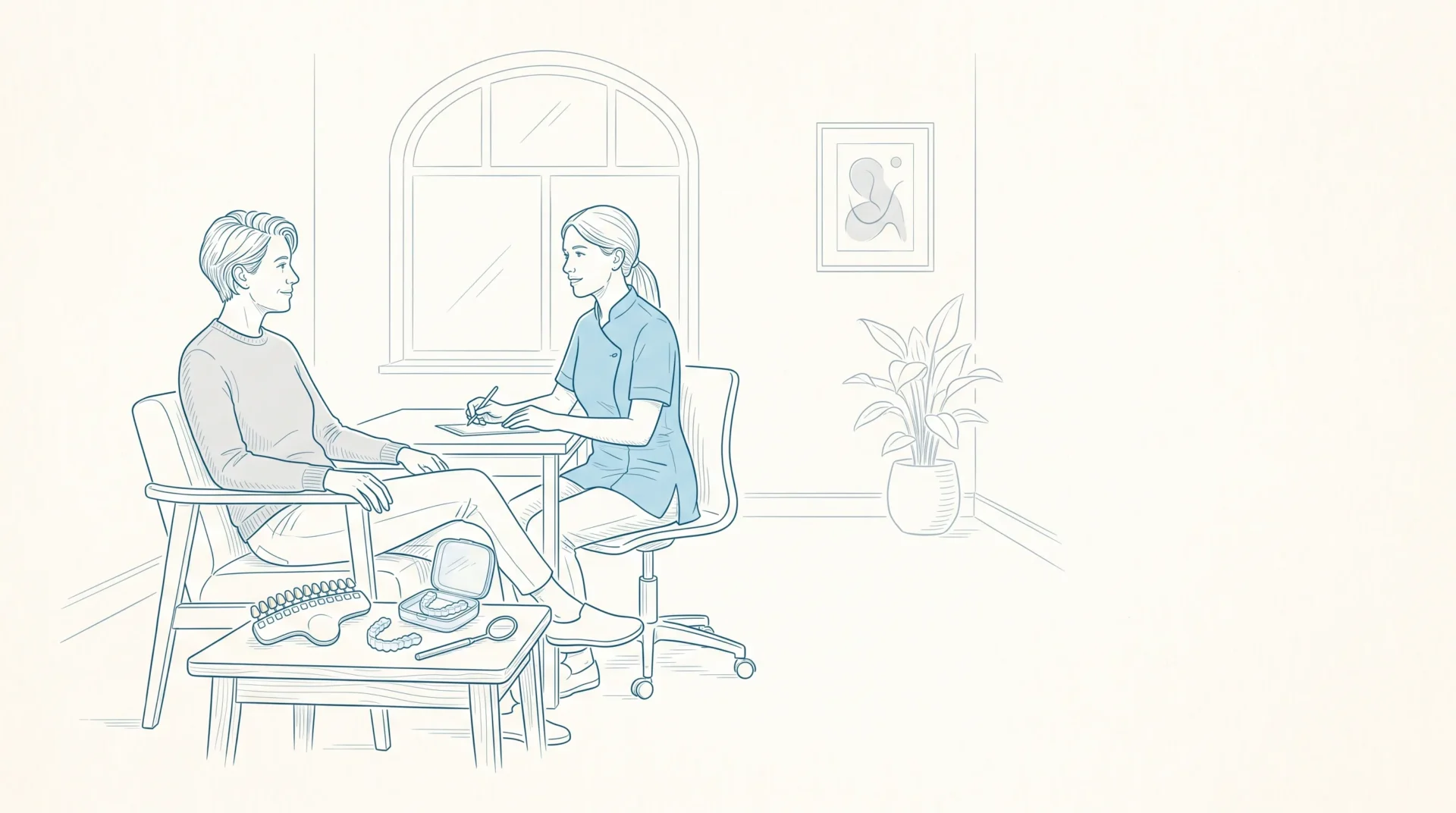
If you have been searching for “teeth whitening near me” in Sydenham, you are probably trying to work out which whitening option is safe, worthwhile and suitable for your teeth. The short answer is that the right choice depends on your oral health, the type of staining you have, your sensitivity levels, existing fillings or crowns and the result you are hoping for.
Teeth whitening can be considered for some adults who want to lighten the colour of their natural teeth, but it is not suitable for every situation. A dental assessment is a sensible first step because your dentist can check for issues such as decay, gum inflammation, enamel wear or exposed tooth roots before recommending any cosmetic treatment.
Searching for “teeth whitening near me” in Sydenham? Start with a dental check
Whitening is often advertised as a simple cosmetic treatment, but teeth and gums need to be healthy enough first. If whitening gel is placed over decay, cracked enamel, gum recession or untreated sensitivity, it may irritate the tooth or gums. It may also fail to address the real reason a tooth looks darker.
A dental check before whitening may include:
- Looking for tooth decay, leaking fillings, cracks or enamel wear
- Checking gum health and areas of recession
- Asking about sensitivity, grinding, medical history and pregnancy or breastfeeding
- Reviewing crowns, veneers, fillings or bonding that will not change colour with whitening
- Discussing your expectations and whether whitening is likely to meet them
This does not mean everyone needs complex dental work before whitening. It means your dentist can assess whether whitening may be suitable and explain the potential benefits, risks and alternatives for your circumstances.
The Australian Dental Association’s patient resource, Teeth.org.au, explains that whitening products use peroxide-based ingredients and that stronger products should be used with appropriate dental supervision. This is one reason many patients prefer to discuss whitening with a dentist rather than relying only on over-the-counter products.
Know what type of tooth discolouration you have
Not all tooth discolouration responds the same way to whitening. Some stains sit mostly on the surface of the teeth. Others are within the tooth structure or relate to dental materials.
Surface staining can come from coffee, tea, red wine, smoking, some foods and plaque build-up. A professional clean may remove or reduce some external staining before whitening is considered. Internal discolouration may be linked to ageing, past trauma, certain medicines, enamel changes or previous dental treatment, and may respond less predictably.
Existing dental work is also important. Whitening gel lightens natural tooth structure but does not whiten porcelain crowns, veneers, composite bonding or fillings. If you have visible restorations on front teeth, they may look darker than the surrounding teeth after whitening. Your dentist can explain whether replacement or other cosmetic options may need to be considered, although that will depend on your goals, oral health and budget.
Compare the main whitening options before deciding
There are several ways to whiten teeth, and each has different levels of supervision, convenience and suitability. The most appropriate option is not the same for every patient.
| Whitening option | What it usually involves | Possible advantages | Limitations to consider |
|---|---|---|---|
| In-chair whitening | Whitening gel applied in the dental clinic, usually after an assessment | Supervised by a dental team and completed in the clinic | May still cause sensitivity and results vary between patients |
| Dentist-provided take-home whitening | Custom trays and whitening gel supplied after a dental assessment | Can be done gradually at home with instructions from your dentist | Requires consistent use and careful storage of trays and gel |
| Over-the-counter whitening strips or kits | Products bought from a pharmacy, supermarket or online | Convenient and usually lower upfront cost | May not fit well, may irritate gums and may be unsuitable if dental issues are present |
| Whitening toothpaste | Abrasive or chemical ingredients designed to reduce surface stains | Can help manage some surface staining as part of routine oral care | Does not usually change the deeper shade of teeth in the same way as peroxide whitening |
In-chair whitening may appeal to people who want supervised treatment in a clinic setting. Take-home whitening may suit people who prefer a gradual approach and are comfortable following instructions at home. Over-the-counter products may be convenient, but they are not tailored to your mouth and may not be appropriate if you have sensitivity, gum concerns or dental restorations.
If you are weighing up clinic choice more broadly, My Smile Dental has also published a guide on how to choose a teeth whitening dentist in Melbourne that covers questions to ask before booking.
What may happen before whitening treatment?
A whitening appointment or consultation is not only about choosing a shade. It is usually about understanding why your teeth look the way they do and whether whitening is a reasonable option.
Your dentist may examine your teeth and gums, take photographs or record your current tooth shade. They may ask about previous whitening, sensitivity, dental trauma, medications, smoking and dietary habits. If there is plaque, calculus or staining, a clean may be recommended before whitening so your teeth can be assessed more clearly.
A professional clean is not the same as whitening. Cleaning removes plaque, calculus and some external stains, while whitening aims to lighten the shade of natural tooth structure. Some people are satisfied with the appearance of their teeth after a clean alone, while others may still wish to discuss whitening. If you are unsure whether you need a clean first, this guide on when to see a dental hygienist for professional cleaning may be useful.
Your dentist may also discuss sensitivity management. Some patients are more prone to whitening-related sensitivity, particularly if they already have exposed dentine, gum recession, enamel wear or cracked teeth. Dentine is the softer layer under enamel that can transmit sensations more readily.
Questions to ask before choosing teeth whitening in Sydenham
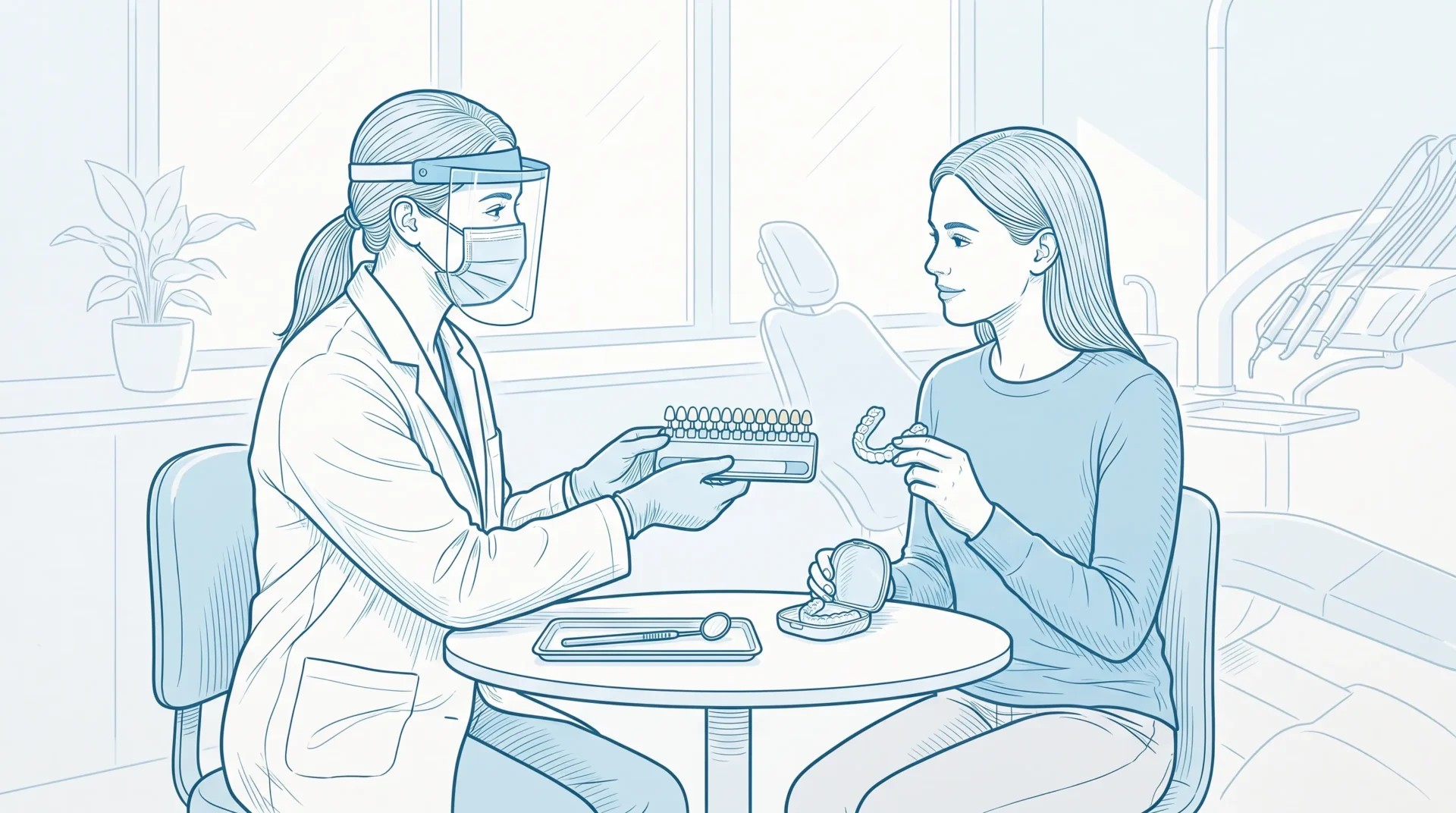
Before starting whitening, it is reasonable to ask practical questions. Clear information can help you compare options without feeling pressured into treatment.
Useful questions include:
- Is my tooth colour caused by surface stains, internal discolouration or existing dental work?
- Are my teeth and gums healthy enough for whitening at the moment?
- Which whitening options may be suitable for my teeth and why?
- What side effects should I expect, such as sensitivity or gum irritation?
- How should I use the gel or trays if I choose take-home whitening?
- How will whitening affect the appearance of fillings, crowns, veneers or bonding?
- What should I avoid during treatment, if anything?
- What alternatives could be considered if whitening is unlikely to achieve my goals?
A dentist should be able to explain the likely process, limitations and risks in plain language. They should also help you understand when whitening is not recommended or when another dental concern should be managed first.
Think about timing, lifestyle and maintenance
People often consider whitening before weddings, work events, holidays or family occasions. Timing matters because whitening can take more than one visit if you need an assessment, a professional clean or custom trays. Take-home whitening may also involve repeated applications over a period of time, depending on the product and your dentist’s instructions.
It is also worth thinking about your routine. If you drink coffee, tea or red wine regularly, use tobacco, or have frequent staining from diet or lifestyle factors, you may need maintenance advice after whitening. Whitening does not stop teeth from picking up future stains.
Maintenance may include:
- Brushing twice daily with fluoride toothpaste
- Cleaning between the teeth with floss or interdental brushes
- Attending dental check-ups and cleans at intervals recommended for you
- Following whitening instructions carefully if trays or gel are provided
- Avoiding frequent or unsupervised whitening, which may increase irritation or sensitivity
The interval between whitening treatments varies. Repeating whitening too often is not a sensible approach. Your dentist can advise what is appropriate based on your oral health, the whitening method used and how your teeth respond.
Understand costs without choosing on price alone
Teeth whitening costs can vary because the process may involve different steps. A consultation, dental examination, professional clean, in-chair procedure, custom trays or take-home gel can all affect the overall cost. The condition of your teeth, the type of staining and whether existing restorations are involved can also make a difference.
It is reasonable to ask for a clear estimate before you proceed. You can also ask what is included, whether follow-up is needed and whether payment plan options are available. Avoid comparing prices without checking whether the services are the same, as one quote may include a dental assessment or custom trays while another may not.
For a deeper look at cost factors, you can read My Smile Dental’s article on what can affect teeth whitening prices.
Know the possible risks and limitations
All dental procedures carry potential risks and benefits. Whitening is commonly performed, but it can still cause side effects or produce results that differ from what a patient expected.
Possible risks and limitations include temporary tooth sensitivity, gum irritation, uneven whitening, relapse of staining over time and colour mismatch with fillings, crowns or veneers. Whitening may not be suitable if you have untreated decay, gum disease, significant enamel defects or certain types of discolouration.
Some patients should also be cautious with whitening products bought online, especially if the ingredients, strength or source are unclear. Products that do not fit properly may allow gel to contact the gums, which can cause irritation. If you are unsure about a product you have already purchased, bring it to your dental appointment so your dentist can advise you.
When whitening may not be the first step
Whitening is a cosmetic treatment, so urgent or active dental problems should usually be assessed first. If you have toothache, swelling, bleeding gums, a broken tooth, severe sensitivity or a tooth that has suddenly changed colour, it is better to arrange a dental examination rather than starting whitening.
Sensitivity deserves particular attention. Mild sensitivity can have many causes, including enamel wear, gum recession, cracked teeth, grinding or decay. Whitening may aggravate sensitivity in some cases. If this is a concern, this article on when to contact your local dentist about sensitive teeth explains symptoms that may need professional assessment.
Whitening may also be less suitable if your main concern is tooth shape, gaps, crowding, worn edges or older visible restorations. In those situations, your dentist may discuss other options, such as replacing discoloured restorations, orthodontic assessment or veneers. These options have their own risks, benefits, costs and suitability factors.
Choosing a local Sydenham dental clinic for whitening
If you live or work around Sydenham, Taylors Lakes, Hillside, Delahey, Keilor Downs, St Albans or nearby north-west Melbourne suburbs, choosing a local dental clinic can make assessment, treatment and follow-up more convenient.
When comparing clinics, look for clear explanations rather than vague promises. A suitable dental team should be willing to check your oral health first, explain different options, discuss costs before treatment and be realistic about what whitening can and cannot do. If you feel nervous about dental visits, it is also reasonable to ask how the clinic supports anxious patients and what comfort options may be available.
My Smile Dental in Sydenham provides general and cosmetic dental services, including teeth whitening assessments. Your dentist can assess your oral health, discuss whether whitening may be appropriate and explain alternative options if another approach is more suitable.
Frequently asked questions
Is teeth whitening suitable for everyone? No. Suitability depends on your oral health, dental history, sensitivity, the cause of discolouration and whether you have fillings, crowns, veneers or bonding. A dentist can assess these factors before recommending treatment.
Does teeth whitening change the colour of fillings or crowns? No. Whitening products lighten natural tooth structure but do not whiten dental restorations such as crowns, veneers, fillings or composite bonding. This can affect the final appearance if restorations are visible.
Can whitening cause tooth sensitivity? Yes, sensitivity can occur during or after whitening. For many people it is temporary, but experiences vary. If you already have sensitive teeth, your dentist should assess the cause before you begin whitening.
Should I have a professional clean before whitening? In some cases, yes. A clean may remove plaque, calculus and surface stains, which can help your dentist assess your teeth properly. Your dentist can advise whether this is needed for you.
How long do whitening results last? Whitening results vary and are not permanent. Diet, oral hygiene, smoking, enamel characteristics and the whitening method used can all affect how long the lighter shade is maintained.
Discuss teeth whitening with a Sydenham dentist
If you are considering teeth whitening in Sydenham, a dental examination can help clarify whether whitening is suitable and which options may be appropriate. Your dentist can explain the likely process, possible risks, expected limitations and alternatives based on your individual needs.
To discuss your concerns, you can contact My Smile Dental to arrange an assessment in Sydenham. This can help you make an informed decision before starting cosmetic whitening treatment.
Disclaimer
The information provided on this website is for general informational and educational purposes only. It is not intended to replace professional dental advice, diagnosis or treatment. Dental needs and treatment outcomes vary between individuals. Always seek advice from a qualified dental practitioner regarding your specific circumstances before making decisions about your oral health or treatment. A consultation and clinical assessment are required to determine which treatment options may be suitable for you. All dental procedures carry potential risks and benefits, which will be discussed with you before treatment.