When to See a Dentist in Sydenham for Tooth Pain
28 September 2026 | Blog, General Dentistry, Melbourne Dentist
If you are searching for a dentist Sydenham locals can speak to about tooth pain, the short answer is: arrange an assessment if the pain is severe, lasts more than a day or two, keeps returning, affects biting or comes with swelling, fever, trauma or a bad taste. Tooth pain can have several causes, and a dental examination is the safest way to understand what is happening.
Toothache is not something to feel embarrassed about. It is common, and it can happen even when you brush well. Sometimes the cause is simple, such as food trapped between teeth or mild sensitivity. Other times, pain may be linked to decay, a cracked tooth, gum inflammation, an infection or a wisdom tooth problem.
This guide explains when tooth pain should be checked, what symptoms may need more prompt care, what you can do while waiting for an appointment and what to expect when you see a dentist in Sydenham, Melbourne.
When tooth pain needs a dentist Sydenham assessment
Tooth pain should be assessed sooner rather than later if it is not improving, if it interferes with eating or sleeping or if it feels different from your usual sensitivity. Dental pain often has a cause that cannot be seen at home, so waiting for it to pass may delay care that could be more straightforward if addressed early.
Consider booking an appointment if you notice any of the following:
- Toothache that lasts longer than 24 to 48 hours
- Sharp pain when biting or chewing
- Throbbing pain that wakes you at night
- Swelling in the gum, face or jaw
- Sensitivity that is new, worsening or limited to one tooth
- A chipped, cracked or broken tooth
- A bad taste, pus or pimple-like swelling on the gum
- Pain around a partly erupted wisdom tooth
- Tooth pain after an injury or knock to the mouth
If swelling is spreading, you feel generally unwell, you have difficulty swallowing or breathing or you cannot open your mouth properly, seek urgent medical or dental advice. Healthdirect’s toothache guidance also outlines symptoms that may need prompt attention.
If your situation feels urgent, it can help to read how to prepare for an emergency dental appointment so you know what information to bring.
Tooth pain symptoms and what they may suggest
Pain alone does not provide a diagnosis, but the pattern can help your dentist decide what to examine first. A dentist Sydenham patients visit for tooth pain may ask when the pain started, what triggers it and whether it lingers after hot, cold or pressure.
| Symptom | Possible causes your dentist may assess | Suggested timing |
|---|---|---|
| Short, sharp pain with cold drinks | Sensitivity, worn enamel, gum recession, early decay | Book if new, one-sided or persistent |
| Pain when biting | Cracked tooth, high filling, deep decay, inflammation around the root | Arrange an assessment soon |
| Throbbing or constant pain | Deep decay, nerve inflammation, infection or trauma | Prompt dental assessment is recommended |
| Swelling or pimple on the gum | Dental abscess or gum infection may be considered | Seek prompt advice |
| Pain at the back of the mouth | Wisdom tooth irritation, decay, gum inflammation or jaw issues | Book an appointment, especially if swelling or limited opening occurs |
| Tooth pain after injury | Crack, loosened tooth, soft tissue injury or nerve damage | Seek urgent dental advice |
This table is only a guide. Similar symptoms can have different causes, and some dental problems are painless until they are more advanced.
Common causes of tooth pain
Tooth pain can start in the tooth itself, the gum around it or the jaw structures nearby. Understanding the possible causes can make your appointment easier, but it should not replace a clinical assessment.
Dental decay is one common cause. Decay can soften the tooth surface and may eventually reach the inner nerve space if left untreated. Depending on the size and position of the affected area, your dentist may discuss options such as monitoring, preventive care or a filling. You can learn more about when dental fillings may be recommended for cavities, chips or worn areas.
A cracked tooth may cause pain when biting, even if the crack is hard to see. Cracks can range from minor enamel lines to deeper fractures, and treatment depends on the tooth, the crack pattern and the health of the nerve.
Gum inflammation or infection can also cause discomfort. This may feel like tenderness around one tooth, bleeding when brushing or a dull ache in the jaw. Gum-related pain may need cleaning, oral hygiene support or further periodontal assessment, depending on the findings.
Sensitivity is another possibility, particularly if pain is brief and triggered by cold air, cold drinks or sweet foods. If this sounds familiar, our guide on when sensitive teeth should be checked by a dentist explains what may be worth monitoring.
Wisdom teeth can cause pain when they are partly through the gum, difficult to clean or pressing on nearby tissue. Not every wisdom tooth needs removal, but assessment can clarify whether monitoring, cleaning support or another option may be suitable.
What you can do while waiting for your appointment
If you have tooth pain and are waiting to see a dentist Sydenham locals can access, simple measures may help you stay more comfortable. These steps do not treat the underlying cause, but they may reduce irritation until your appointment.
You may consider over the counter pain relief if it is safe for you and you follow the product label. Some medicines are not suitable for certain people, including those who are pregnant, taking blood thinners or living with particular medical conditions. A pharmacist or doctor can advise if you are unsure.
A cold compress on the outside of the cheek may help with swelling after an injury or local irritation. Avoid placing heat on a swollen area unless a health professional has advised it. Warm salt water rinses may help keep the area clean, but do not use them as a substitute for dental care if pain is ongoing.
Try to avoid chewing on the sore side, and continue brushing gently around the area unless this is not possible. Do not place aspirin or other tablets directly on the gum or tooth, as this can irritate or burn the soft tissue.
If symptoms worsen quickly, swelling spreads or you develop fever, difficulty swallowing or breathing concerns, seek urgent care rather than waiting for a routine appointment.
What happens at a tooth pain appointment in Sydenham
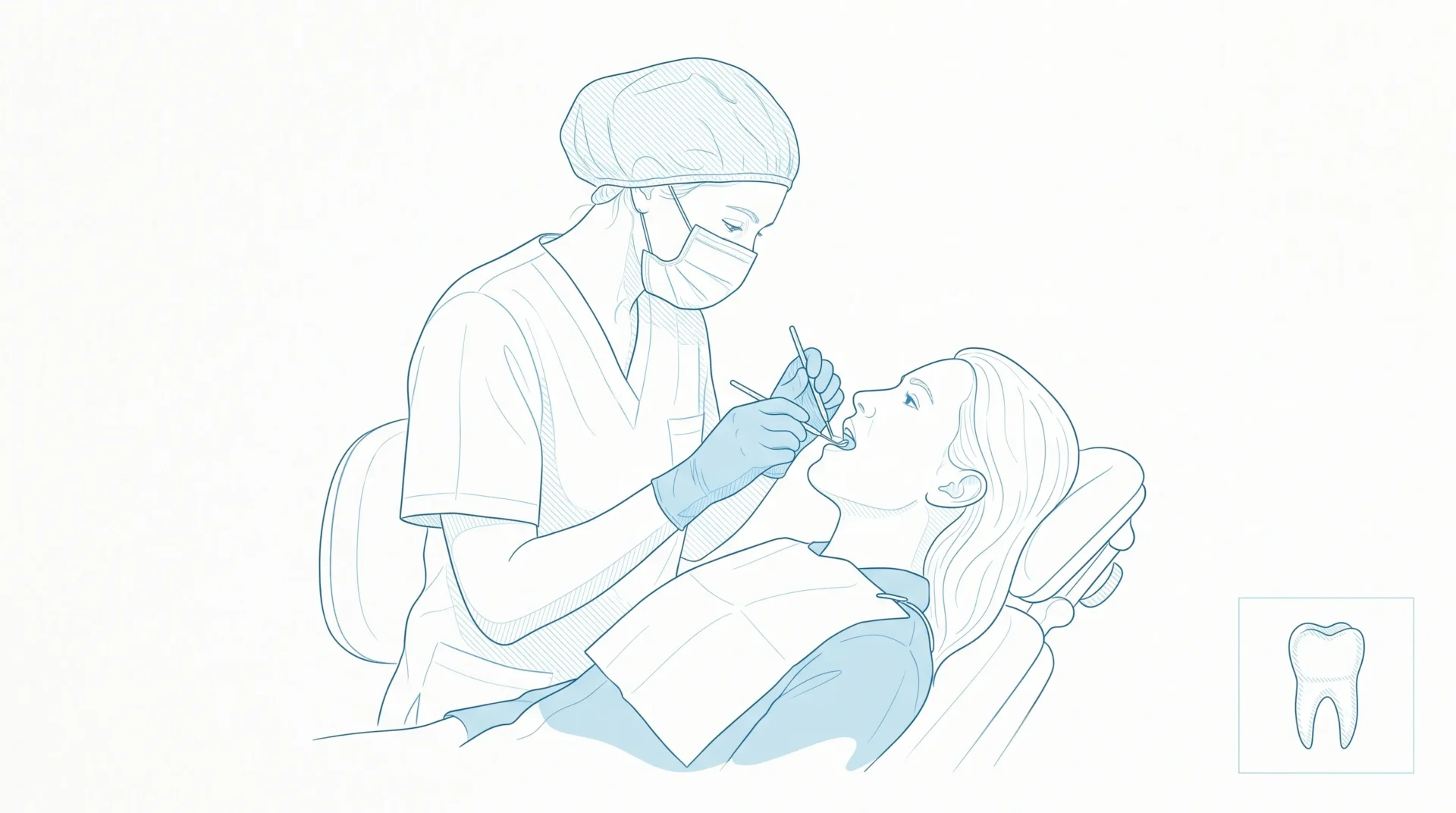
A tooth pain appointment usually begins with a conversation about your symptoms. Your dentist may ask when the pain started, whether it is sharp or dull, what makes it better or worse and whether you have had recent dental treatment, injury or illness.
The examination may include checking the sore tooth, nearby teeth, gums, bite and jaw. Your dentist may gently tap on teeth, test sensitivity to cold or pressure and assess whether a filling, crack, cavity or gum issue is present. Dental X-rays may be recommended if they are needed to see areas not visible during the examination, such as between teeth or around the root.
After assessing the area, your dentist should explain the likely cause, possible options, expected steps and any relevant risks or limitations. In some cases, treatment can be provided at the same visit. In other cases, the first appointment focuses on diagnosis, relieving acute symptoms where appropriate and planning the next stage.
If dental anxiety is a concern, tell the clinic when you book or when you arrive. My Smile Dental offers gentle dental care and may discuss comfort options, including sedation where clinically appropriate. Suitability depends on your medical history, the procedure and your individual needs.
Possible treatment options your dentist may discuss
Treatment for tooth pain depends on the cause. A dentist Sydenham residents see for toothache may recommend no active treatment, preventive advice, a restoration or further care after completing an examination. You should have the opportunity to ask questions before deciding.
| Possible finding | Treatment options that may be discussed | Important considerations |
|---|---|---|
| Mild sensitivity | Desensitising products, fluoride advice, brushing technique review | May need review if symptoms persist or affect one tooth |
| Small to moderate decay | Filling or other restoration | Tooth structure, cavity size and bite forces matter |
| Deep decay or nerve inflammation | Root canal treatment or extraction may be considered | Benefits, risks, costs and alternatives should be discussed |
| Cracked or broken tooth | Smoothing, filling, crown or extraction depending on severity | Some cracks are difficult to predict and may need monitoring |
| Gum inflammation | Professional cleaning, home care advice, gum treatment | Ongoing gum care may be needed |
| Dental infection | Drainage, dental treatment and sometimes antibiotics when indicated | Antibiotics alone may not resolve the source of infection |
| Wisdom tooth pain | Cleaning advice, monitoring, treatment of infection or removal assessment | Removal is not needed for every wisdom tooth |
All dental procedures carry potential benefits and risks. Treatment experiences, recovery and outcomes vary between patients. Your dentist can explain what is relevant to your situation after examining your teeth and gums.
Tooth pain in children and teenagers
Children do not always describe dental pain clearly. They may avoid chewing on one side, complain about cold foods, wake at night, touch their face or become unsettled at meal times. Teenagers may also delay mentioning pain, especially if they are busy with school, sport or work.
A dental check is sensible if a child has persistent toothache, swelling, a broken tooth, pain after a fall or difficulty eating. Baby teeth still matter because they help with chewing, speech and guiding adult teeth into position. Treatment depends on the child’s age, the tooth involved, symptoms and cooperation level.
My Smile Dental provides children’s dentistry in Sydenham, and families can ask about eligibility for the Child Dental Benefits Schedule if this may apply. Eligibility and benefits are determined by Services Australia, not the clinic.
When tooth pain may not be coming from a tooth
Not all pain felt around the teeth starts in a tooth. Sinus congestion can sometimes cause pressure in the upper back teeth. Jaw joint problems, clenching, grinding or muscle tension may also feel like toothache. In some cases, pain can be referred from another area of the head or neck.
This is one reason a careful assessment matters. A dentist can look for dental causes first and may suggest seeing a GP or another health professional if the pattern suggests a non-dental source. If you are unsure whether your symptoms are dental, contacting a dentist Sydenham patients can access locally is a reasonable first step for mouth-related pain.
How to prepare when you call the clinic
When you contact My Smile Dental about tooth pain, try to describe your symptoms as clearly as possible. Mention how long the pain has been present, whether there is swelling, what triggers it, whether you have taken pain relief and whether there has been an injury.
It can also help to bring a list of medications, allergies, relevant medical conditions and any recent dental X-rays if you have them. If you are anxious, sensitive to treatment or have had a difficult dental experience before, let the team know so this can be considered during your visit.
To discuss tooth pain with a dentist Sydenham locals can visit, you can contact My Smile Dental or use online booking to arrange an assessment. A dental examination can help determine the likely cause and which options may be appropriate for your circumstances.
Frequently asked questions
Can tooth pain go away on its own? Some mild irritation may settle, especially if it is caused by temporary gum tenderness or food trapped between teeth. Persistent, worsening or recurring pain should be checked because decay, cracks, infection and gum problems often need professional assessment.
How do I know if tooth pain is an emergency? Tooth pain may need urgent advice if it comes with facial swelling, fever, trauma, uncontrolled bleeding, difficulty opening your mouth or difficulty swallowing or breathing. If breathing or swallowing is affected, seek emergency medical care.
Should I see a dentist if my tooth only hurts when I bite? Yes, pain on biting can be linked to a crack, high filling, decay, inflammation around the root or gum problems. A dentist can assess the tooth and explain whether treatment or monitoring is appropriate.
What if my tooth pain is actually sensitivity? Sensitivity is usually short and triggered by cold, sweet or touch, but it can overlap with other dental problems. If sensitivity is new, localised to one tooth or not improving, a dental check is recommended.
Can I book with My Smile Dental for tooth pain in Sydenham? Yes, My Smile Dental provides general and emergency dental care in Sydenham, Melbourne. If you are looking for a dentist Sydenham patients can see for tooth pain, contact the clinic to arrange an assessment and discuss your symptoms.
Disclaimer
The information provided on this website is for general informational and educational purposes only. It is not intended to replace professional dental advice, diagnosis or treatment. Dental needs and treatment outcomes vary between individuals. Always seek advice from a qualified dental practitioner regarding your specific circumstances before making decisions about your oral health or treatment. A consultation and clinical assessment are required to determine which treatment options may be suitable for you. All dental procedures carry potential risks and benefits, which will be discussed with you before treatment.