
Teeth Whitening and Bonding: Key Differences
9 September 2026 | Cosmetic Dentistry, Teeth Whitening, Veneers
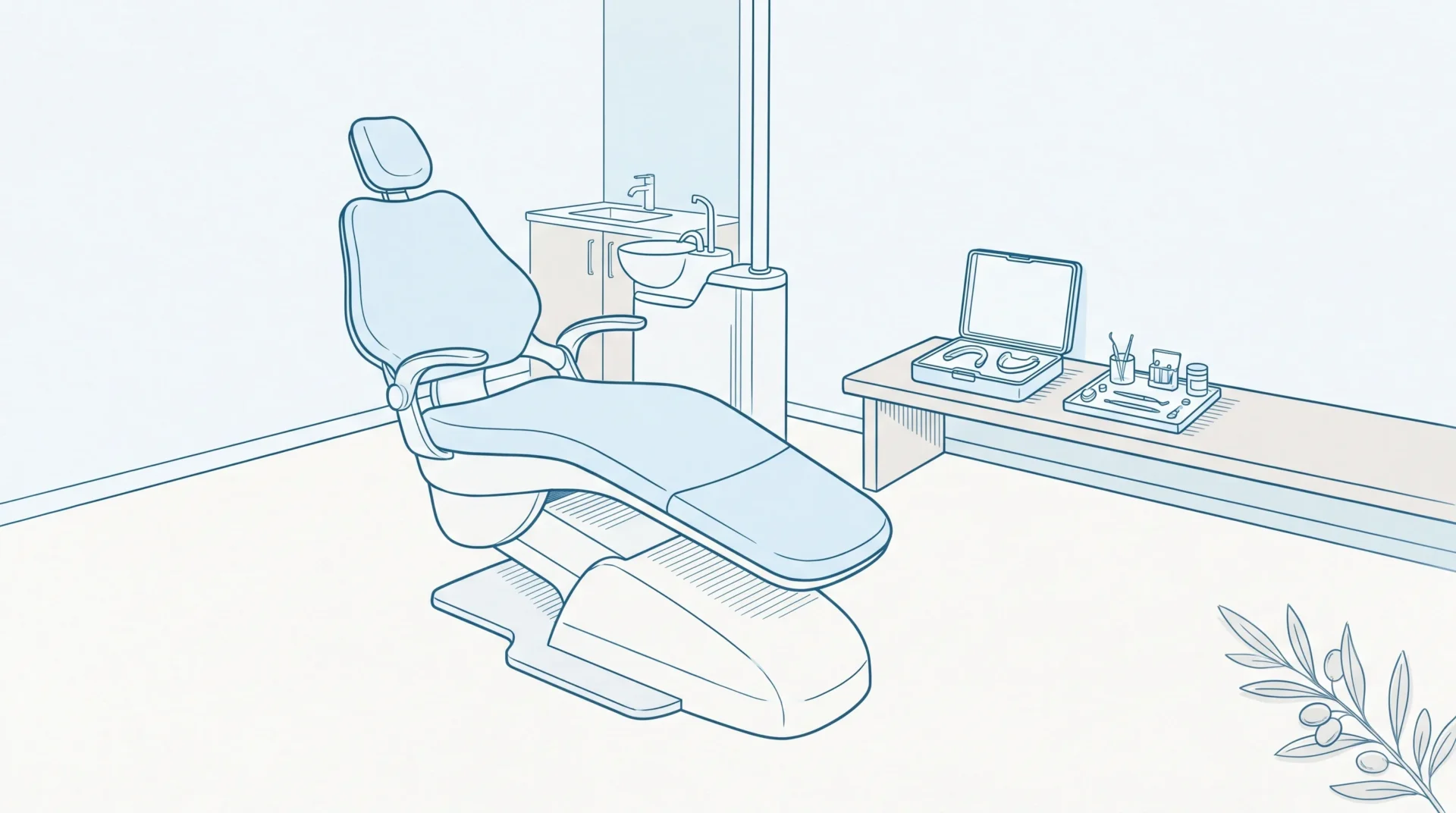
If you have been searching for teeth whitening and bonding near me, you may be comparing two common cosmetic dental options that do very different things. Whitening is used to lighten the colour of natural teeth, while bonding uses tooth-coloured composite resin to repair, reshape or cover small areas of a tooth.
Both treatments can be helpful in the right situation. They can also be combined in some cases, but the order matters. A dental assessment is needed to check your teeth, gums, existing fillings and treatment goals before deciding what may be suitable.
Teeth whitening vs bonding: the short answer
Teeth whitening changes the shade of natural tooth structure. It may be considered when teeth look yellow, dull or stained from causes such as food, drinks, smoking, ageing or some internal discolouration. Whitening does not change the colour of fillings, crowns, veneers or previous bonding.
Dental bonding, sometimes called composite bonding, adds a tooth-coloured resin material to the tooth surface. It may be considered for minor chips, small gaps, worn edges, uneven shapes or localised discolouration that whitening cannot improve.
The key difference is simple: whitening works with the tooth colour you already have, while bonding adds material to change the tooth surface.
| Feature | Teeth whitening | Dental bonding |
|---|---|---|
| Main purpose | Lightens natural tooth colour | Repairs or reshapes selected areas |
| Material used | Whitening gel, commonly peroxide-based | Tooth-coloured composite resin |
| Works on restorations? | No, restorations do not whiten | Yes, resin can be placed over selected tooth areas |
| Common uses | General yellowing, surface stains, dullness | Minor chips, small gaps, uneven edges, stubborn discolouration |
| Maintenance | May need future touch-ups depending on habits and stain type | May need polishing, repair or replacement over time |
| Main limitations | Sensitivity, uneven results, no effect on fillings or crowns | Can stain, chip or wear, may not suit larger structural problems |
Searching for teeth whitening and bonding near me: what you need to know
A local search usually means you want practical advice, not just a list of treatments. For patients in Sydenham and nearby north-west Melbourne suburbs, the useful starting point is understanding whether the concern is mainly colour, shape, tooth structure or a mix of these.
For example, if your front teeth are generally darker than you would like, whitening may be discussed first. If one tooth has a small chipped edge or an old visible filling, bonding may be more relevant. If teeth are crooked, heavily worn, cracked or affected by bite issues, other options may need to be considered before cosmetic treatment.
At My Smile Dental in Sydenham, cosmetic discussions are approached alongside general dental health. That matters because whitening or bonding may not be appropriate until issues such as decay, gum inflammation, leaking fillings or tooth sensitivity have been assessed.
What teeth whitening involves
Professional teeth whitening usually involves applying a whitening gel to natural teeth. Depending on the method, this may be done in the dental chair or with custom trays used at home under dental guidance. The gel helps break down stains within the tooth structure, which may lighten the overall shade.
The Australian Dental Association provides patient information about whitening through Teeth.org.au, including the importance of understanding product strength, suitability and possible side effects. Whitening should be planned with care, especially if you have sensitive teeth, gum recession, enamel wear, dental restorations or a history of dental trauma.
Whitening may be limited when discolouration is caused by internal tooth changes, certain medications, previous injury or existing restorations. A tooth that is dark because the nerve has been affected, for instance, may need a different assessment from a tooth that is stained by coffee or tea.
If you are comparing options locally, My Smile Dental has a separate guide on choosing a teeth whitening treatment in Sydenham that explains how dental assessment, stain type and treatment method can influence the decision.
What dental bonding involves
Dental bonding uses composite resin, a tooth-coloured material also used for some fillings. Your dentist places the resin on the tooth, shapes it, then hardens it with a curing light. The material is then adjusted and polished so it fits the bite and blends as closely as practical with nearby teeth.
Bonding may be considered for relatively small cosmetic or restorative changes, such as:
- Repairing a minor chip on a front tooth
- Improving the appearance of a small gap between teeth
- Smoothing an uneven tooth edge
- Covering a small area of discolouration
- Replacing or improving an older visible composite restoration
Bonding is not suitable for every concern. It may not be strong enough for large fractures, heavily worn teeth or teeth under high biting pressure. Composite resin can also stain or chip over time, particularly with habits such as nail biting, chewing hard objects or frequent exposure to strongly coloured foods and drinks.
If a tooth needs more coverage or protection, a dentist may discuss alternatives such as veneers or crowns. For teeth that are cracked, heavily filled or structurally weakened, you may find it useful to read about when a dental crown may be recommended.
Which treatment should come first?
When whitening and bonding are both being considered, whitening is often discussed first. This is because bonding material is shade-matched to your teeth at the time it is placed. If bonding is done first and you whiten later, the natural tooth structure may lighten but the bonded area will not, which can leave a noticeable colour difference.
After whitening, your dentist may recommend waiting for the tooth shade to settle before bonding is placed. The timing can vary, and your dentist will consider the whitening method used, tooth sensitivity, enamel condition and the type of bonding planned.
A search for teeth whitening and bonding near me often comes from people who want a brighter look and small shape improvements at the same time. Combining treatments may be reasonable for some patients, but it should be planned in a sequence that supports shade matching and tooth health.

Benefits, limitations and risks to consider
Teeth whitening may help lighten natural teeth and reduce the appearance of some stains. Its limitations include possible tooth sensitivity, gum irritation if gel contacts soft tissues and uneven whitening where teeth have existing restorations or varied enamel thickness. Whitening is also not a one-time permanent change, as teeth can stain again over time.
Bonding may help improve the appearance of small chips, gaps or irregular edges without changing the whole tooth. Its limitations include staining, wear, chipping and the possibility that repairs or replacement may be needed in the future. Bonding can be a conservative option in some cases, but it still involves adding material to the tooth and needs proper bite assessment.
All dental procedures carry potential risks and benefits. Treatment outcomes and experiences vary between patients. Suitability depends on factors such as oral health, tooth structure, gum health, bite forces, medical history and personal preferences.
Australian health advertising rules also require dental information to avoid creating unreasonable expectations. The AHPRA advertising guidelines are one reason responsible dental content should focus on balanced information rather than promised cosmetic outcomes.
When another option may be more suitable
Whitening and bonding are not the only cosmetic dental options. A dentist may discuss other choices if your concern involves tooth position, deeper discolouration, tooth wear or more extensive structural changes.
Invisalign or other orthodontic options may be discussed when tooth alignment is the main concern. Veneers may be considered for selected cosmetic changes to the front surfaces of teeth. Crowns may be recommended when a tooth needs more protection because it is cracked, heavily restored or weakened.
These options have different levels of tooth preparation, cost, maintenance and risk. If you are thinking about broader cosmetic treatment, My Smile Dental’s article on what to consider before choosing a smile design explains why oral health, bite, facial features and realistic goals should be reviewed before deciding.
What an appointment may involve
If you book a cosmetic dental consultation in Sydenham, the dentist will usually start by asking what you would like to understand or change. This conversation is not just about appearance. It helps identify whether your concerns relate to stain, tooth shape, old dental work, sensitivity, wear or bite changes.
A dental examination may include checking your teeth, gums, existing restorations and bite. X-rays may be recommended if the dentist needs to assess areas that cannot be seen directly, such as decay between teeth or the condition of old fillings. The dentist may also discuss your dental history, medical history and any sensitivity or jaw discomfort.
From there, you can talk through suitable options, likely limitations, maintenance and alternatives. A dentist can also explain whether whitening, bonding, a different treatment or no treatment is appropriate for your circumstances.
If you have typed teeth whitening and bonding near me because you are unsure where to begin, a general examination is often the most useful first step. It allows the cosmetic discussion to be based on your actual teeth rather than assumptions from photos or online comparisons.
Questions to ask before choosing whitening or bonding
Before deciding, it can help to ask practical questions during your appointment. These questions can make the discussion clearer and reduce the chance of choosing a treatment that does not match your needs.
- Is my concern mainly tooth colour, tooth shape or both?
- Do I have decay, gum inflammation or sensitivity that should be treated first?
- Will whitening change the colour of my existing fillings, crowns or bonding?
- If I choose bonding, how might it wear or stain over time?
- What alternatives are available, including doing nothing for now?
- What maintenance may be needed after treatment?
- What are the potential risks and limitations in my case?
Good cosmetic planning should give you time to understand the options rather than feeling pushed towards a particular treatment.
Frequently asked questions
Is teeth whitening or bonding better for stained teeth? It depends on the cause of the staining. Whitening may help when the stain is within natural tooth structure. Bonding may be considered when discolouration is localised, does not respond to whitening or involves an existing restoration. A dentist can assess the cause before recommending an option.
Can whitening and bonding be done together? They can be combined in some cases, but the sequence matters. Whitening is commonly considered before bonding so the composite resin can be matched to the final tooth shade as closely as practical. Your dentist can advise whether this approach suits your teeth.
Does teeth whitening work on dental bonding? No. Whitening gels do not lighten composite resin, crowns, veneers or fillings. If old bonding looks darker after whitening, it may need polishing, repair or replacement depending on its condition and your goals.
How long does dental bonding last? There is no fixed lifespan that applies to every patient. Bonding longevity depends on the size and location of the bonded area, bite forces, oral hygiene, diet, habits such as clenching or nail biting and regular dental maintenance.
Who can assess teeth whitening and bonding near me in Sydenham? A dentist at My Smile Dental can assess your oral health, discuss your concerns and explain whether whitening, bonding or another option may be appropriate. The advice should be based on an examination rather than a general assumption.
Considering cosmetic dental options in Sydenham
If your search for teeth whitening and bonding near me has raised more questions than answers, a dental assessment can help clarify the cause of your concerns and which options may be appropriate. Whitening and bonding can both play a role in cosmetic dental care, but they are not interchangeable and neither is suitable for every patient.
To discuss your concerns, you can contact My Smile Dental in Sydenham to arrange an appointment. Your dentist can assess your oral health, explain potential benefits and risks, and help you compare suitable options in a measured way.
Disclaimer
The information provided on this website is for general informational and educational purposes only. It is not intended to replace professional dental advice, diagnosis or treatment. Dental needs and treatment outcomes vary between individuals. Always seek advice from a qualified dental practitioner regarding your specific circumstances before making decisions about your oral health or treatment. A consultation and clinical assessment are required to determine which treatment options may be suitable for you. All dental procedures carry potential risks and benefits, which will be discussed with you before treatment.