When You May Need a Dentist Available for Urgent Care
26 October 2026 | General Dentistry, Oral Health
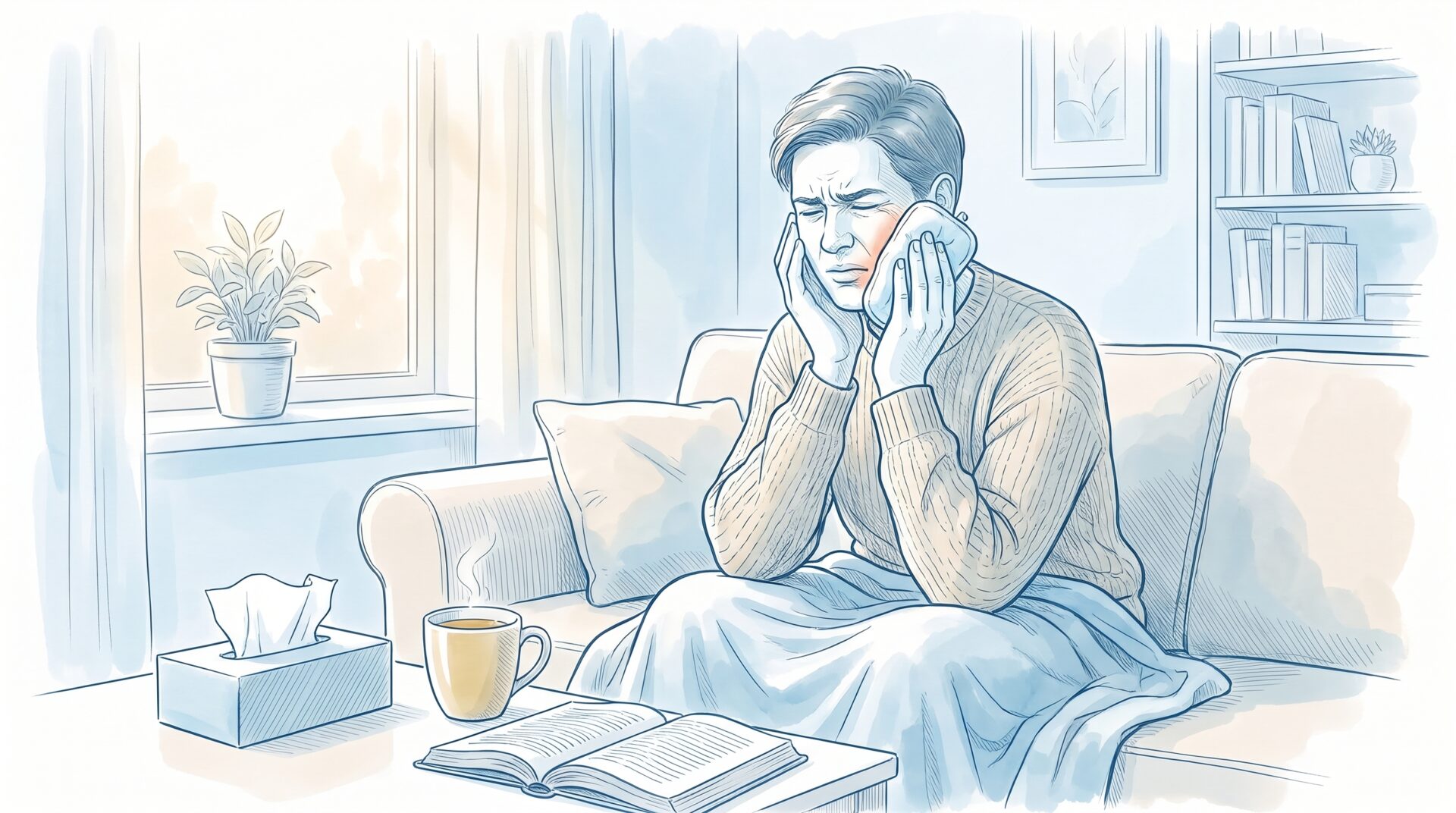
If you are searching for a dentist available near me in Sydenham, ongoing tooth pain, new swelling or a dental injury are reasons to contact a clinic promptly. Difficulty breathing or swallowing, severe facial swelling or heavy bleeding that will not stop need immediate medical attention. Call 000 for a life-threatening emergency.
Not every chipped tooth or sensitive area needs same-day treatment. The timing depends on your symptoms, how they are changing and whether eating, sleeping or opening your mouth has become difficult.
Dental urgency is not measured by pain alone
Pain can help signal a problem, but its intensity does not tell the whole story. A knocked-out adult tooth needs immediate dental attention even if discomfort is manageable. A small, painless chip may be suitable for a scheduled appointment after telephone advice.
Use the following guide to decide whom to contact. It cannot replace an individual assessment.
| What you notice | What to do |
|---|---|
| Difficulty breathing or swallowing, major facial injury or heavy bleeding that will not stop | Seek emergency medical care. Call 000 if the situation is life-threatening. |
| An adult tooth knocked out | Contact a dentist immediately and begin appropriate first aid. |
| New facial swelling, fever with dental symptoms or increasing difficulty opening your mouth | Seek urgent assessment that day. Rapidly spreading swelling or feeling very unwell may require emergency department care. |
| Persistent pain that disrupts sleep or eating, or a painful broken tooth | Contact a dental clinic promptly for advice about appointment timing. |
| A small painless chip, stable mild sensitivity or a lost filling without other symptoms | Arrange dental advice and an appointment. Report any new pain, swelling or deterioration. |
When should I contact a dentist available near me?
Changes in symptoms and daily function are useful things to describe when you call. You do not need to know which tooth is responsible or diagnose the cause yourself.
Pain that affects sleep or eating
Contact a dentist if pain persists, keeps returning or makes normal meals difficult. Pain when biting, lingering sensitivity after hot or cold food and discomfort around a broken tooth also warrant assessment.
Tell the clinic when the pain began, whether it is getting worse and what pain relief you have taken. If symptoms are milder but ongoing, our guide to when to see a dentist in Sydenham for tooth pain explains other signs worth discussing.
Swelling, fever or an unpleasant taste
Swelling around a tooth, gum or cheek can have several causes, including infection. Contact a dentist promptly, particularly if swelling occurs with fever, discharge, an unpleasant taste or difficulty opening your mouth.
Do not wait for severe pain before seeking advice. Pain easing does not necessarily mean the underlying problem has resolved. Swelling spreading towards the eye or neck, difficulty swallowing or breathing, or becoming very unwell requires immediate medical attention.
A knocked-out or displaced tooth
If an adult tooth has been knocked out, searching for a dentist available near me should not delay contacting a clinic for immediate advice. Hold the tooth by its crown, the white part normally visible above the gum, rather than its root.
If dirty, gently rinse it with milk or saline without scrubbing. If you can comfortably put it back into its socket, do so without forcing it. Otherwise, keep it moist in milk or saline and take it to the dentist immediately. Never put a baby tooth back into its socket.
A tooth that has moved position, become loose after an injury or broken deeply also needs prompt assessment. Healthdirect’s dental emergency guidance provides further first-aid advice.
When a scheduled appointment may be reasonable
A minor chip without pain, brief sensitivity or a lost crown without swelling may not require immediate treatment. Contact a clinic to describe the problem rather than assuming it can wait indefinitely.
A rough edge can irritate the tongue or cheek, and an exposed tooth may need protection. Mention whether the tooth is sharp, whether you can bite normally and whether sensitivity settles quickly or lingers.
If symptoms change before your appointment, call again. New swelling, increasing pain or difficulty eating may change how soon you should be assessed.
What you can do while arranging care
Temporary measures may make waiting more manageable, but they do not treat the underlying cause. Choose softer foods and avoid chewing on the affected area. Continue gentle cleaning unless a dentist has given different instructions following a procedure.
For pain relief, follow the medicine label and ask a pharmacist about suitability, particularly for children, during pregnancy or if you take other medicines. Do not place aspirin directly against a tooth or gum, and do not use leftover antibiotics.
Keep any broken tooth fragment or loose crown and bring it with you. Avoid household glue or trying to drain swelling yourself. If bleeding follows a recent extraction, follow your dentist’s instructions and seek advice if it persists.
What an urgent dental appointment may involve
Finding a dentist available near me is the first step; an examination is needed to identify the cause and discuss appropriate care. The dentist will ask about your symptoms, medical history, medicines and allergies. An X-ray may be recommended if it would help with assessment.
The appointment may focus on relieving symptoms and stabilising the problem rather than completing all treatment. Depending on the findings, options could include a temporary repair, a filling, treatment for infection, root canal treatment or extraction. An urgent appointment does not automatically mean a tooth needs removal.
Your dentist should explain the likely benefits, risks, alternatives and costs before treatment. Procedures carry different risks, and recovery and treatment experiences vary. Antibiotics are not routinely needed for every toothache and do not replace treatment of the source of a dental infection.
If you feel anxious, tell the team when arranging care. You can discuss breaks, communication preferences and available comfort options. Our guide to preparing for an emergency dental appointment explains what information and items to bring.
Finding an available appointment in Sydenham
Search results for a dentist available near me do not confirm that a suitable appointment is available right now. For urgent symptoms, telephone the clinic and explain what has happened rather than relying only on an online booking calendar.
My Smile Dental provides emergency dental care in Sydenham, Melbourne, VIC. Patients in Sydenham, St Albans and surrounding north-west Melbourne suburbs can contact the clinic to ask about current availability. Opening hours, appointment capacity and the treatment required all affect when care can be provided.
When you call, explain when symptoms started, whether there is swelling or fever and whether you have had an injury. Ask about the initial assessment fee and whether X-rays or treatment would involve additional charges. If no appointment is available within the recommended timeframe, ask where else you should seek care.
Frequently asked questions
Can I wait until tomorrow if painkillers help? Pain relief does not establish whether waiting is appropriate. Contact a dentist for advice if pain persists, affects eating or sleep, or follows an injury. Swelling, fever and worsening symptoms may need more urgent assessment.
How can I find a dentist available near me if cost is a concern? Ask clinics about assessment fees and payment arrangements before attending. Eligible Victorians may access public dental services, with access depending on eligibility and assessed need. Explain urgent symptoms when contacting a service so they can advise on the appropriate pathway.
Should I go to hospital for a toothache? Most toothaches need dental assessment because hospital emergency departments generally do not provide routine dental treatment. However, breathing or swallowing difficulties, rapidly spreading swelling, major injury or uncontrolled bleeding need emergency medical attention.
What if I cannot tell which tooth hurts? You can still contact a clinic. Describe where you feel discomfort, what triggers it and any changes you have noticed. A dental examination can help identify the source.
Arrange an assessment based on your symptoms
To discuss dental pain, swelling or an injury, contact My Smile Dental in Sydenham and describe your symptoms. The team can advise on appointment availability, and a dentist can assess which care options may be appropriate for your circumstances.
Disclaimer
The information provided on this website is for general informational and educational purposes only. It is not intended to replace professional dental advice, diagnosis or treatment. Dental needs and treatment outcomes vary between individuals. Always seek advice from a qualified dental practitioner regarding your specific circumstances before making decisions about your oral health or treatment. A consultation and clinical assessment are required to determine which treatment options may be suitable for you. All dental procedures carry potential risks and benefits, which will be discussed with you before treatment.